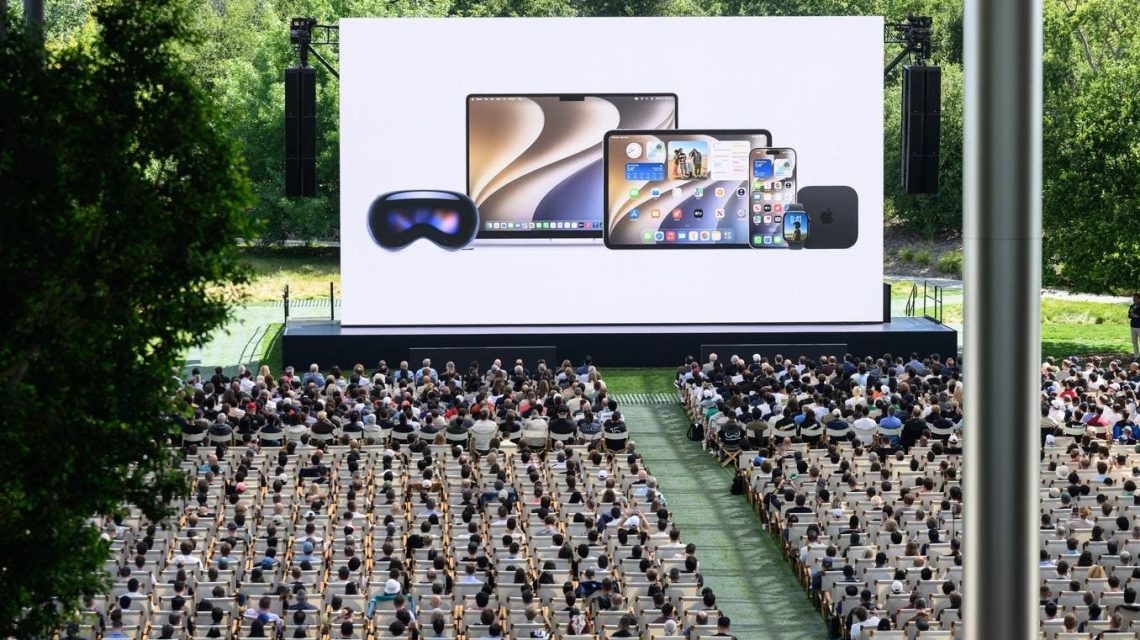
During the recent WWDC 2026, Apple did not introduce any smartglasses. Instead, it revealed AI-driven technology that could be crucial for adopting smartglasses more broadly. While the tech industry was abuzz with anticipation of smartglasses, Apple’s announcements centered on the AI advancements necessary for their development.
In a related event, the “Extraordinary Machines: AI And Creativity Summit” took place in Brooklyn. The summit aimed to provide a more complex perspective on the heated debate over the intersection of AI and creative industries. This event highlighted the need for a nuanced discussion on the role of AI in creativity.
Meanwhile, Google I/O 2026 showcased their push into the smartglasses market. Google’s introduction of intelligent eyewear suggests that AI might make smartglasses a viable commercial product. This could mark the beginning of a transformation in how we interact with wearable technology.
In a personal achievement, an individual recently ran 31 miles wearing smartglasses. This experience showcases how smartglasses companies target niche markets, including fitness enthusiasts and long-distance runners. Tailoring products to specific groups might be a strategic move to capture a growing market segment.
Privacy remains a contentious topic in the realm of AI-powered wearables. Some companies, like Solos, propose small hardware solutions that could address privacy concerns. As privacy is a significant barrier to adoption, these solutions may play a significant role in the widespread acceptance of smartglasses.
The entertainment industry is also experiencing changes due to AI. Up-and-coming actors like Connor Storrie and Hudson Williams, from “Heated Rivalry,” represent a dwindling path to stardom as AI reshapes entry-level roles in Hollywood.
Smartglasses also offer potential benefits beyond commercial use. For urban development, the data collected by smartglasses wearers can enhance city planning and hold public officials accountable. These innovations could drive a new era in urban management and technology integration.
In another aspect of virtual reality, Meta’s decision to scale back VR projects could lead to a more functional metaverse. Previously, virtual interactions, such as attending a virtual comedy club, dominated discussions. Now, there’s a focus on broader, more impactful uses of virtual worlds.
The debate over smartglasses privacy is ongoing. Meta faces criticisms over facial recognition and data privacy. Competitors like Even Realities and Mentra offer alternatives that may ease privacy concerns, suggesting diversified approaches in addressing these critical issues.
For some individuals, smartglasses provide more than a tech novelty; they offer essential functions. These devices aid those with hearing loss in engaging in conversations and help people with visual disabilities navigate their surroundings more effectively. Smartglasses can enhance accessibility, impacting daily life for people with specific needs.
 President Trump Proposes ‘Super Intelligence’ as New AI Term
  First Lady Melania Trump’s AI Education Push Amid Concerns
  Expansion of Data Centers Fueled by AI Development
  Beijing’s Tactical Undermining of U.S. Supremacy Through AI
  Controversy Surrounds Automated License Plate Readers Across the U.S.
  Trump and Harp Sued Over Truth Social Subscriber Program