Today’s economic pressures continue to challenge Americans financially and emotionally. Escalating inflation is one of the main factors straining budgets, driving up essential costs and forcing many to rely on credit cards. However, this reliance leads to high-interest rates compounding debt, intensifying financial stress.
According to a study by Achieve, mounting debt burdens greatly affect emotional well-being, with many borrowers feeling ongoing stress over monthly expenses and their debts. A common response is using all possible resources to pay off debt aggressively. While this focus can be beneficial, neglecting an emergency fund creates its own financial risks. Unexpected expenses may lead borrowers to rely on credit cards again, perpetuating the debt cycle.
Finding the Right Balance
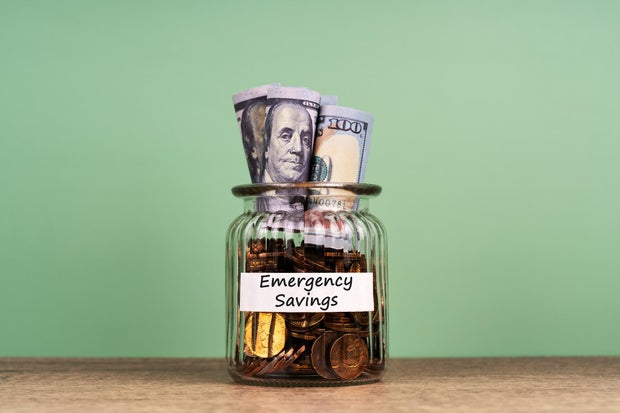
Balancing debt repayment and emergency savings helps avoid reliance on credit during unforeseen events. Generally, saving three to six months of expenses is recommended for an emergency fund. However, for those actively repaying high-interest debt, a starter fund of $1,000 to $2,500 may be more suitable.
The objective is to have a small financial buffer for common disruptions, such as car repairs or medical expenses, without diverting excessive funds from debt repayment.
Once debts are repaid, the funds allocated for debt payment can support more extensive emergency savings. The right fund amount depends on individual circumstances, such as income variability or employment status. Homeowners might need more savings due to costly repairs, while renters can often manage with less.
The type of debt is crucial. High-rate credit card debts should be attacked aggressively with minimal emergency savings because interest compounds quickly. Low-interest debts like federal student loans allow more flexibility in building a savings fund.
Exploring Debt Relief Options
In cases where debt is overwhelming, traditional repayment strategies may seem impossible. Exploring debt relief options like consolidation or management plans can help lower interest rates and simplify repayment.
- Debt consolidation through loans or balance transfer cards can reduce interest rates and free up cash for savings.
- Credit counseling agencies offer structured repayment plans, potentially negotiating lower interest rates.
- Options like debt settlement can alleviate overwhelming debt burdens by negotiating reduced settlement amounts.
- Bankruptcy, though impactful on credit, might be considered in extreme cases.
Consulting with a debt relief specialist can guide you in choosing the best path based on income, debt load, and financial goals. Achieving manageable debt opens the possibility of building financial resilience, including emergency savings.
Conclusion
No specific universal savings target exists while repaying debt, but a starter fund of $1,000 to $2,500 can generally provide adequate coverage for routine financial setbacks without hampering debt payment efforts. If debt remains unmanageable, exploring debt relief may be a necessary preliminary step.