In Woburn, Massachusetts, an innovative process transforms pebble-sized pellets into everyday products like forks and films, without leaving lasting microplastics in the environment. At CJ Biomaterials, sugar fermentation produces plant-based polymers that are biodegradable alternatives to traditional fossil fuel plastics.
The company’s research facility is developing bioplastics for a variety of applications. Lab technicians mold these materials into test products such as compostable forks and food packaging films. These materials decompose more naturally, breaking down in compost bins alongside straws and utensils.
Leah Ford, marketing director at CJ Biomaterials, highlights growing interest in bioplastics due to concerns about microplastics. Conventional plastics fragment over time, forming microplastics found throughout the environment and even in our bodies.
Bioplastics, often made from renewable resources like corn or sugar cane, can be either biobased or biodegradable. CJ Biomaterials focuses on producing polyhydroxyalkanoates (PHAs), a marine and soil biodegradable polymer aimed at replacing non-recyclable single-use plastics.
“We are creating solutions to reduce dependency on fossil fuels,” said Erin Simon, WWF vice president, emphasizing the need for sustainable production methods.
The company has achieved significant progress, evidenced by its range of compostable products including cutlery, cups, and pouches. These items remain stable until exposed to microorganisms in composting environments.
Bioplastics face hurdles, such as higher production costs and limited municipal composting facilities. Nonetheless, their share in global plastic production is growing, with projections of doubled production by 2030. Countries like China, Sweden, and the United States are key players in natural polymer exports.
Despite challenges, some major entities like sports stadiums and restaurant chains are adopting biobased packaging. The Black Earth Compost plant in Massachusetts illustrates the practical application, where users deposit compostable containers filled with food scraps directly into bins.
Research by the 5 Gyres Institute has shown that biodegradable alternatives, unlike their fossil fuel-based counterparts, decompose more effectively in various environments.
This developing technology contributes to a broader understanding of how biodegradable options could mitigate the looming crisis of microplastic pollution. The scientific community continues to study the implications of these alternatives on ecosystems and human health.
 Trump Administration Moves to Expedite Arctic Oil Exploration
  Renewed Volcanic Activity At Kīlauea Prompts Trail Closures
  Completion Approaching for World’s Largest Wildlife Crossing in Agoura Hills
  Monarch Butterflies Flourish in Illinois’ Managed Right-of-Ways
 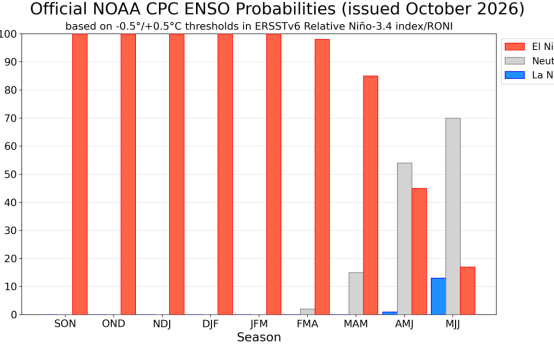 El Niño Strengthens to Historic Levels: What to Expect This Season
  Endangered Species Act and America’s Future Development