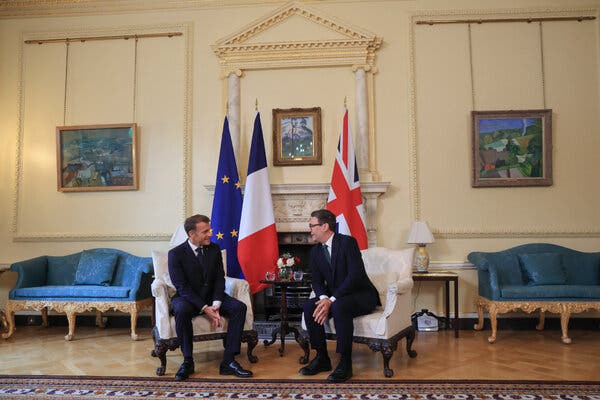
New Diplomatic Stance
Prime Minister Andy Burnham of Britain has taken a bold step in international relations. Britain, once following France’s lead, is now at the forefront of opposing Israeli settlements in the West Bank. This move marks a shift in Britain’s foreign policy direction, signaling its willingness to confront sensitive issues head-on.
Background
Last September, Britain announced its decision to recognize a Palestinian state, shortly after France’s similar move. Now, Britain has announced a halt to trading with Jewish settlements and has accused some settlers of engaging in ethnic cleansing of Palestinians. This decision reflects the evolving policies influenced by domestic political pressures and human rights concerns.
Implications
Britain is not alone in this diplomatic maneuver. France and Canada have joined, increasing the pressure on Israel. This unified approach by European countries represents a significant challenge to Israel, once closely allied with Europe’s military powers. The decision to treat settlement goods differently could have major economic repercussions for Israel.
“The idea of boycotting goods from settlements or even treating them differently in terms of customs and duties has always been talked about, but almost nothing has been done to date,” said Daniel C. Kurtzer, a former US ambassador to Israel.
Kurtzer, now at Princeton, emphasizes that this could be a substantial economic setback for the settlement movement and the Israeli government supporting it. Such actions are more than symbolic; they represent a tangible change in international diplomacy and economic policy.
 Uganda Withdraws from Invictus Games to Support UK Monarchy
 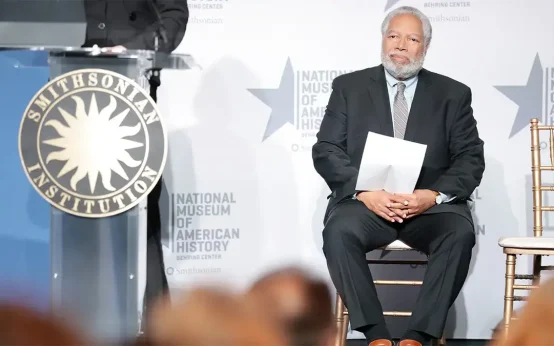 John Roberts Praises Outgoing Smithsonian Secretary Amid Controversy
  GOP Gathers in Dallas for Historic Midterm Convention
  New Documentary Questions Canada’s Progressive Image
  Investigation into Data Collection by Freedom 250 for Trump Campaign
  President Trump Headlines Unconventional Midterm Event in Dallas