In Washington, D.C., the recent midterm elections have brought significant changes. Democrats, eager to address voter demands, are set to take control as Republicans face losses attributed to backlash against President Donald Trump and his party.
Across the nation, Democrats ousted Republicans, signaling a clear rejection of GOP control. The Democrats now hold substantial majorities in both the House and Senate. This shift sets the stage for a divided government, with an invigorated Congress ready to act. Democrats plan a 100-day agenda focused on reducing costs for gas, groceries, and healthcare, alongside extensive oversight of Trump’s administration.
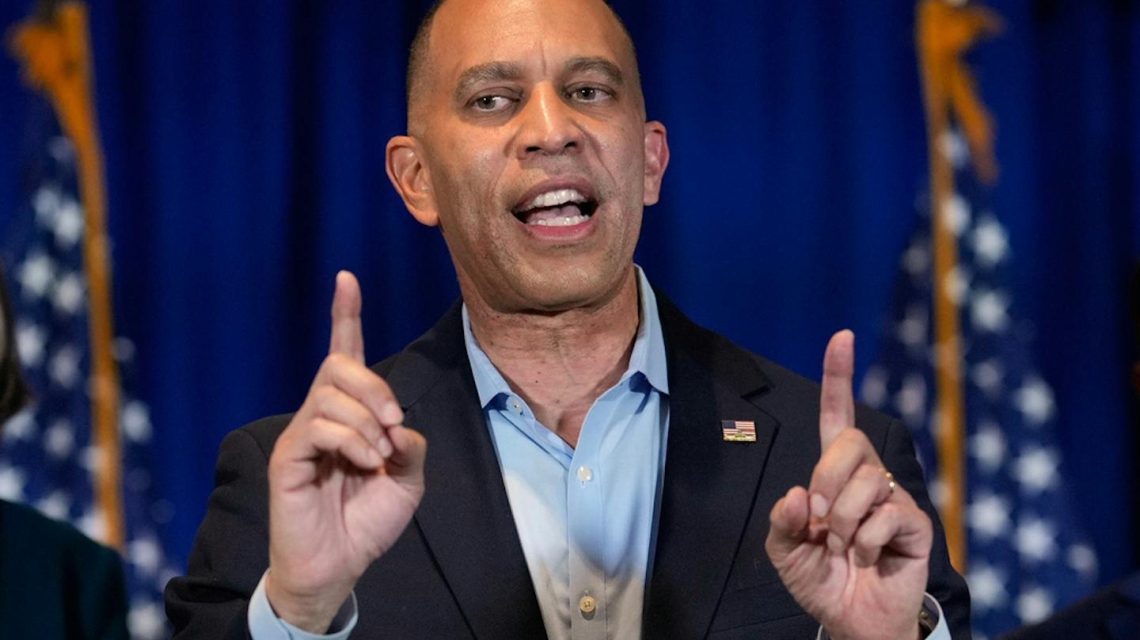
House Democratic Leader Hakeem Jeffries from New York, who may become the first Black speaker of the House, expressed the party’s intent to meet the demands for change. He described the election as a strong repudiation of MAGA extremism and a victory for the American people.
Senate Democratic Leader Chuck Schumer noted that voters might have been more inclined to reject Trump’s party rather than fully embrace Democrats. Nonetheless, the Democrats’ victory includes unexpected Senate seat wins in states like South Carolina, Texas, and Kansas, providing a chance to earn voter trust.
“We hear you,” stated Hakeem Jeffries, highlighting the Democratic aim to address voter concerns.
Trump, acknowledging the Iran war’s impact on elections, showed a willingness to work with Democrats but warned of potential gridlock due to his veto power. Vice President JD Vance pointed to the Iran conflict as a reason for Republican losses, indicating that the administration’s actions influenced voter dissatisfaction.
Internally, Republicans face challenges following the losses. House Speaker Mike Johnson will not seek re-election as the GOP leader, setting up a leadership contest within the party.
In response, House Democrats plan to reverse GOP policies affecting healthcare and to increase oversight of the previous administration’s actions. They aim to provide checks on presidential power, aligning with public sentiment reflected in The AP Voter Poll, which shows a widespread desire for more congressional oversight.
The new Congress will also see historical milestones. Juliana Stratton of Illinois becomes one of three Black women in the Senate. Peggy Flanagan of Minnesota will be the first Native American female senator, with other trailblazers joining the ranks.
As Democrats prepare to lead, Republicans navigate an introspective phase, examining the causes behind their electoral troubles. While the recent election results reshape power dynamics in Washington, the parties prepare for upcoming internal elections and legislative efforts.
 Trump’s White House Renovation Plans Amid Political Challenges
 The Implications of the 2026 Midterm Election for Future Presidential Race
 Elon Musk and the 2026 Midterm Elections
 Democrats Secure Majority in Governorships Following Elections
 North Carolina’s Shift: Democrats Gain Unexpected Ground
 Democrats Secure Significant Wins in Midterm Elections