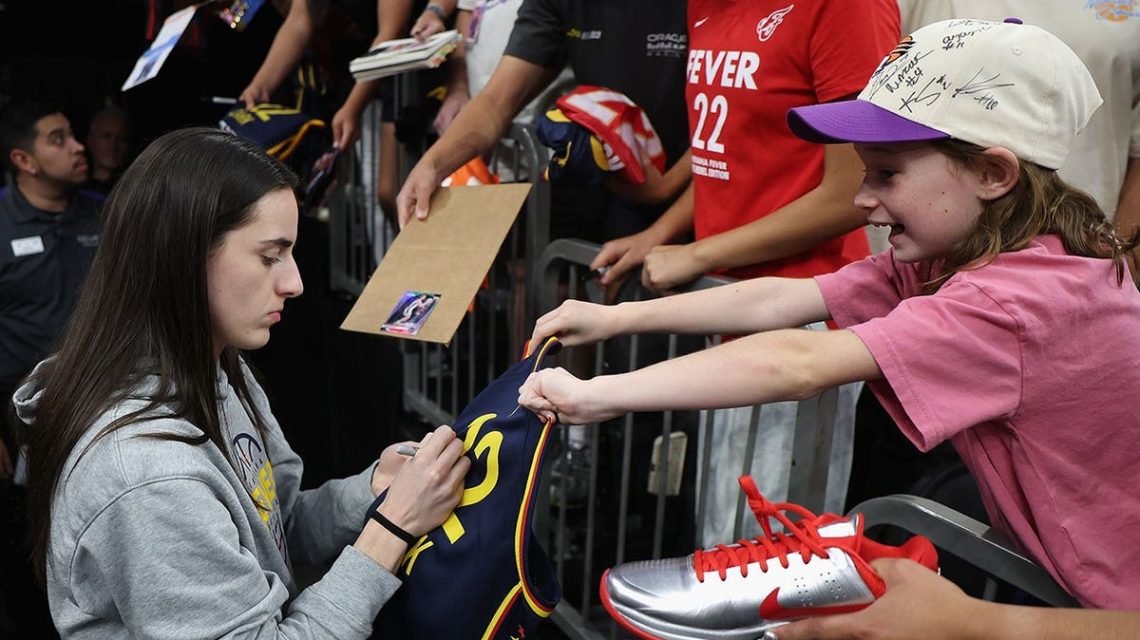
Caitlin Clark recently shared her approach to handling the attention she receives as a WNBA player, emphasizing her disconnect from social media messages. She mentioned she cannot recall the last time she read a direct message, suggesting she prefers to dodge the negativity often found online.
Clark appreciates the attention but does not focus on the darker aspects. Her team, the Indiana Fever, draws significant attention. During a season-ending news conference, Clark criticized ‘racist rhetoric’ and ‘discrimination’ while applauding enthusiastic crowds. Her statements reflect a balanced view, rejecting the exploitation of her name to promote harmful ideologies.
Addressing a query regarding her teammate Kelsey Mitchell, Clark expressed frustration over the unwanted attention faced by her colleagues. She reiterated that promoting racism or discrimination is neither something she aligns with nor part of her upbringing.
Clark stated, ‘I couldn’t tell you the last time I read a direct message.’ Her strategy involves blocking out disruptive noise. Online harassment often seeks reactions. By ignoring trolls, one deprives them of the attention they crave.
Enjoying the Booing
Clark finds humor and enjoyment in being booed by opposing fans, recounting an incident with Golden State supporters. She finds fan energy uplifting and likens it to watching intense sports events, such as Yankees games. Such scenarios showcase how professional athletes can thrive under pressure.
A visiting star should not expect a warm welcome from rival fans. Clark believes there’s a clear line regarding acceptable conduct, emphasizing that inappropriate rhetoric is unacceptable.
This line was probed during the playoffs when Las Vegas Aces player A’ja Wilson confronted a Fever fan. Wilson claimed justifications based on fan behavior, though no violations were confirmed by the WNBA or the Fever.
Fever General Manager Amber Cox asserted no fan misconduct led to removals this season. Criticisms of fans were countered by Cox, especially when data contradicted the negativity directed at them.
Highlighting Positive Fan Interactions
Clark illustrates the possibility of appreciating fans while condemning misconduct. Her approach praises true supporters who respect boundaries while cheering from the stands. Through acknowledging these fans, she highlights their integral role across the league.
Too often, narratives focus solely on poor behavior or allegations of misconduct. The admirable fans contributing to the vibrant atmosphere at games deserve recognition and appreciation.
Clark concludes, ‘For the real fans that do show up and do support and do respect, I applaud you.’ She acknowledges their significance in making the games enjoyable and worth watching.
Shifting focus towards positive fan experiences rather than divisive messages may benefit the entire WNBA community.
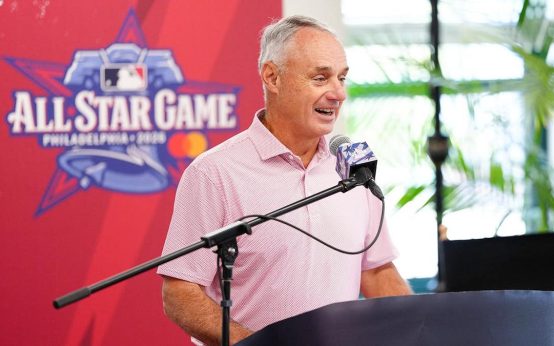 Major League Baseball Proposes Changes Amid Potential Lockout
 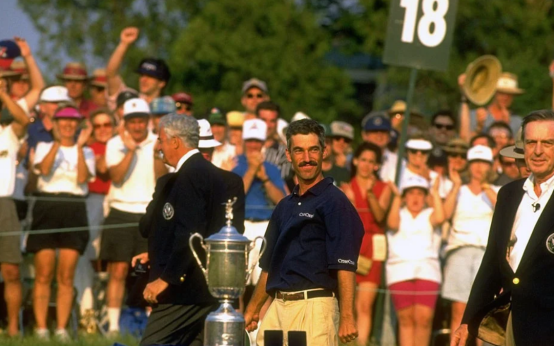 Corey Pavin’s Wife Lisa Faces Continued Cancer Treatment
  Shai Gilgeous-Alexander: From Trade to NBA Stardom
  Bengals’ Chase and Higgins Face Uncertain Returns After Injuries
  NFL Pushes for Regulation of Prediction Markets
 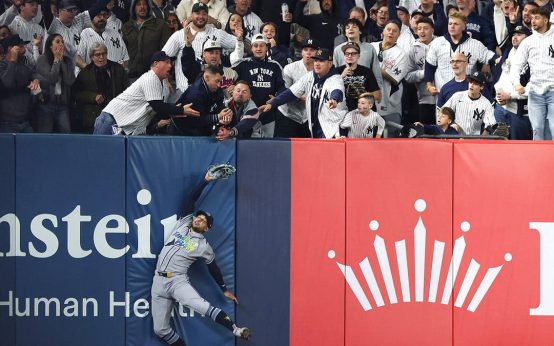 Yankees’ Season Ends with Controversy in ALDS