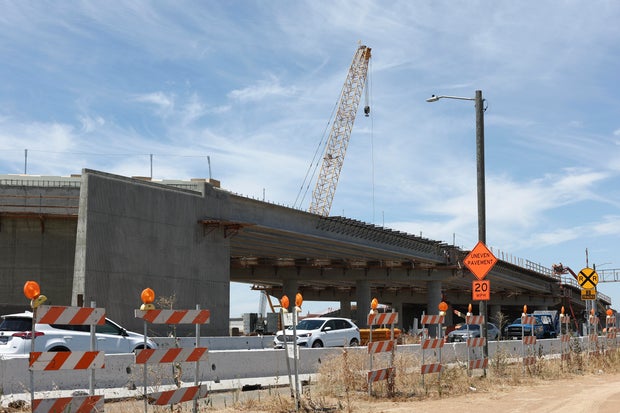
The California High-Speed Rail Authority continues to struggle with meeting critical deadlines for its ambitious train project. A significant failure in purchasing trains led federal officials to withdraw $4 billion in funding last year. Despite being over 18 months past the initial deadline, the authority cannot specify when it will award the contract for the trains, marking the date as ‘To Be Determined.’ Approved in 2008, the project initially aimed to connect San Francisco and Los Angeles in under three hours using trains capable of reaching 220 mph. The current ride takes between 10.5 to 12 hours, highlighting the project’s potential impact.
Current Progress and Challenges
The existing plan only covers the central segment of the route, a 171-mile stretch between Merced and Bakersfield. Chosen for its construction ease, this flat area does not require tunneling. The three-hour journey could be halved with high-speed trains, with service once projected to begin by 2033.
Funding and Political Disputes
In July 2025, the Trump administration withdrew federal funding due to California’s failure to install any tracks after spending $15 billion over 16 years. Transportation Secretary Sean Duffy stated that federal money requires results. The lack of progress left no viable path to meet scheduled milestones. Despite a lawsuit from Governor Gavin Newsom and Attorney General Rob Bonta accusing political motives, California dropped the case six months later after missing another self-imposed train procurement deadline.
Missed Deadlines and Accountability
The absence of train contracts by the December 31, 2024 deadline and a subsequent missed deadline heightened concerns over meeting project timelines. The authority did not deny these misses, pointing instead to public records. California’s legal argument weakened by failing to meet obligations, the lawsuit was quietly dismissed. There’s no public explanation for the missed deadlines offered by Newsom, Bonta, or the authority.
Construction Progress
Despite Newsom’s claims of progress, no high-speed rail track has been laid, only a railhead for storing materials. Inspector General Ben Belnap clarified that no high-speed rail tracks as defined have been installed. The commitment remains to begin laying tracks by year’s end, although real progress remains elusive.
Future Uncertainties
Procurement for the trainsets faces delays after CEO Ian Choudri made changes to specifications, complicating matters further. Concerns over these changes were expressed by board member Ernest Camacho, potentially needing a restart in the procurement process. Without a signed contract, the four-year timeline for procurement and testing is compromised.
Federal Concerns and Responses
Federal officials highlighted the improbability of completing the Central Valley segment by 2033. A Senate committee report criticized management and called for more accountable use of federal funds. Asked about delays, the authority pointed to a past review finding no compliance issues though it was before recent deadlines, shifting focus to federal funding being an opportunity rather than addressing the missed targets.
Statements from Officials
California’s U.S. Senator Adam Schiff condemned the funding cut while stressing the importance of oversight and accountability. Senator Alex Padilla criticized the move as politically driven and emphasized ongoing support for the project.
 Growing Concerns Over Prolonged Iran Conflict and Political Implications
  Concerns in U.S.-China Relations Ahead of Summit
  German Chancellor Friedrich Merz Vows to Continue Amid Election Losses
  Nikole Hannah-Jones Reflects on School Choice and Its Impact
  Republican Senator Criticizes Trump’s $5,000 Check Proposal
  Trump’s Approach to Iran at the United Nations