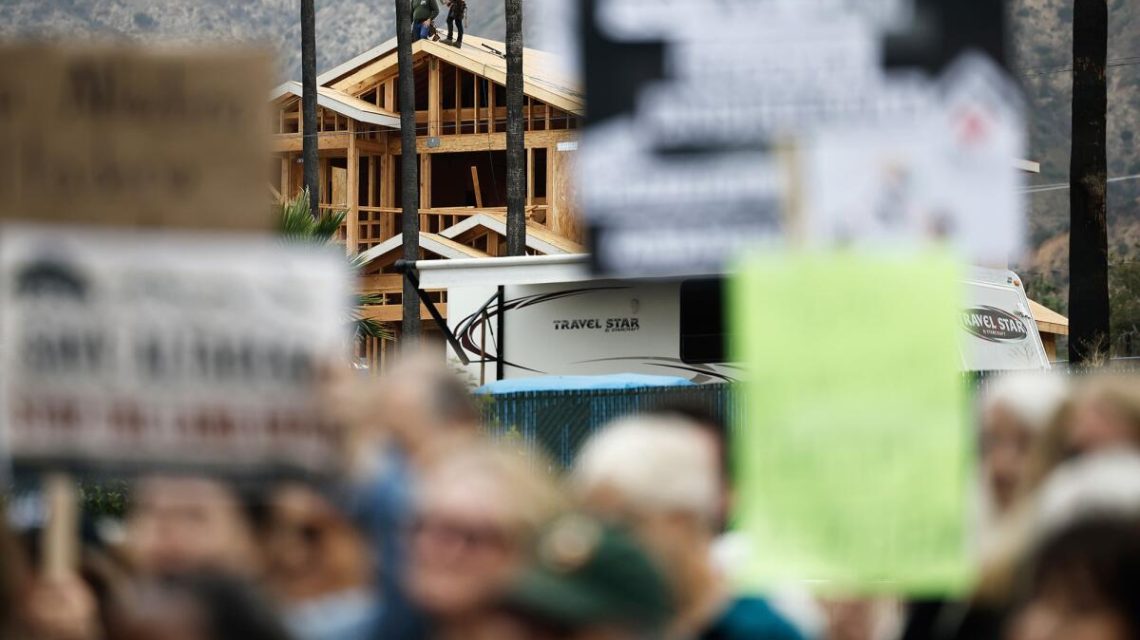
California residents may have noticed ads warning of rising home insurance rates and a broken FAIR Plan. These ads encourage contacting state representatives to address wildfire issues, and they tie into claims from Los Angeles fire survivors, consumer advocacy groups, and the insurance sector regarding Governor Gavin Newsom’s alleged attempt to aid utilities in reducing wildfire compensation. As the legislative session resumes, the governor’s staff is discussing wildfire recovery and rising catastrophic risk challenges with lawmakers, although proposal texts remain undisclosed.
The specifics of the alleged legislation remain unclear, with accusations suggesting potential limitations on fire victims’ compensation, elimination of insurance companies’ cost recovery rights, and caps on attorneys’ fees. Groups like Every Fire Survivor’s Network and Consumer Watchdog assert these changes would shift recovery costs from utilities to insurance policyholders. This situation has resulted in unusual alliances speaking against the proposed legislation, believed to be part of a “gut-and-amend” strategy, fast-tracking bills by altering existing ones.
Despite the name, the purported bill package appears aligned more with Wildfire Victims First—a campaign funded by utilities—than with survivor groups. Joy Chen, Every Fire Survivor’s Network leader, criticized the secretive government actions, urging a transparent approach over corporate interests. In a letter to Governor Newsom, Chen accused him of enabling utilities to avoid wildfire responsibility over the years.
“Californians deserve a government that works in the open, not behind closed doors.”
The major utilities—San Diego Gas & Electric, Southern California Edison, and Pacific Gas & Electric—exert significant influence in California politics. Their contributions to the 2025-26 session amounted to over $1.2 million, supporting various political campaigns and employing numerous lobbyists.
Utility-related legislative discussions are reportedly informed by an April report from the California Earthquake Authority, tasked by Senate Bill 254 with studying fair burden allocation for natural disasters. This report recommends expanding the wildfire fund to $21 billion, partly through increased monthly surcharges on electric bills. Wildfire Victims First advocates for implementing the report’s conclusions, which focus on payouts to financial intermediaries before victim compensation.
Despite claims, the campaign lacks support from wildfire survivor groups. The Sonoma-based Jennifer Gray Thompson, initially involved, withdrew once aware of the absence of fire victim support. Thompson, a national fire victims advocate, criticized attempts to align survivors’ interests with utility agendas.
Political reactions reflect the divisive nature of the proposals. Sen. Ben Allen, chair of the Senate energy and utilities committee and insurance commissioner candidate, emphasized holding responsible parties accountable. Sen. Sasha Renee Perez voiced concerns over last-minute legislative changes and opposed proposals limiting noneconomic damages, citing personal connections to fire victims.
Responses from lawmakers have been mixed, with some expressing dissatisfaction with perceived governmental inefficiency and utility favoritism. Notably, Consumer Watchdog’s analysis highlights significant utility contributions to supporting organizations, raising questions about influence and transparency.
The insurance industry echoes concerns over potential cost shifts to policyholders due to eliminated subrogation rights. Denni Ritter, representing the American Property Casualty Insurance Assn., argued against unfair insurance cost allocations, stressing that policyholders shouldn’t financially support utility shareholder bailouts.
As utilities push for legislation favoring their interests, insurance representatives face challenges understanding motivations behind targeting the insurance market. This complex situation reflects ongoing debates surrounding fair wildfire liability distribution among California residents, utilities, and insurers.
 Lukashenko and Putin’s Unique Relationship and Belarus’ Strategic Role
 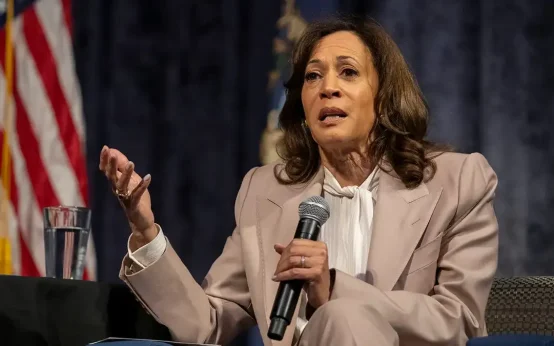 Harris Discusses Potential 2028 Presidential Run
  Far-Left Groups Allegedly Organize Protests in Austin
 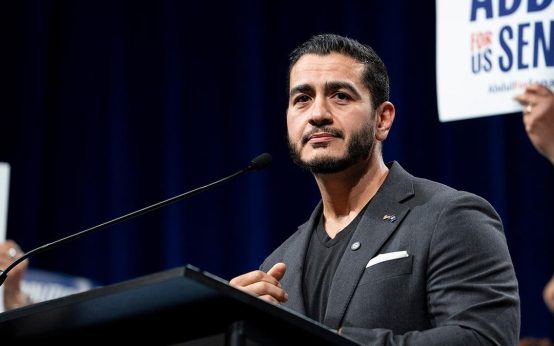 Michigan Senate Nominee Abdul El-Sayed Criticized for Remarks on Reproductive Rights
  Poll Reveals Voter Preferences Between Socialist Democrats and MAGA Republicans
  Challenges of Electing a Female President: Insights from ‘The View’