
Racial reparations advocates are celebrating in California as Governor Gavin Newsom signed the Truth in Disclosure Act, known as Assembly Bill 2599, into law. This move marks a significant legislative victory; however, key figures emphasize that corporate transparency is just the start, and that direct cash compensation is crucial.
Reparations: Beyond a Single Payment
Kristin Nimmers, policy and campaign manager for the California Black Power Network and the Alliance for Reparations, Reconciliation, and Truth, shared with Fox News Digital that financial reparations must extend beyond merely providing “a single check.” Nimmers advocated for a harm-based approach, insisting that those who suffered should receive appropriate reparations. Compensation for slavery, unpaid labor, and unfulfilled promises, such as the 40 acres and a mule, should go to descendants of enslaved individuals, addressing the specific harm endured.
Persistent Racial Inequities
According to Nimmers, Black Americans faced countless denials: fair wages, ownership of property, capital access, and equal education, enduring these injustices for centuries. She insists that one-time financial compensation cannot holistically repair the communities as a whole.
Assembly Bill 2599: Transparency Requirements
The newly-signed AB 2599 mandates corporations in California with more than $100 million in gross revenue to examine their historical records, disclosing any financial ties to chattel slavery. Lawmakers and advocacy groups aim to build on this bill’s passage, transforming broader recommendations from the California Reparations Task Force into enforceable law.
Community Involvement and Legal Framework
The California Task Force to Study and Develop Reparation Proposals benefited from the California Black Power Network as an official state community anchor. The coalition brought grassroots civic engagement across California, gathering public testimony to inform the task force’s comprehensive 1,100-page final report released in 2023.
Challenges Persist for Direct Payments
Achieving direct cash payouts remains challenging. Although Newsom signed AB 2599, he maintains a cautious stance on direct financial restitution, showing reluctance toward high-cost payout initiatives. His office did not comment on the California Black Power Network’s favoring cash payments.
Internal Divisions and Broader Structural Changes
Progressive coalitions face ideological divisions, with groups like the U.S. Freedmen Project excluding recent immigrants and Black Americans without ancestry links to enslaved persons from reparations programs. They argue that current advocates misuse the legacy of slavery for broader social purposes.
Nimmers, however, challenges lineage-only models, asserting that systemic discrimination over decades affected many Black residents.
Nimmers argued that a Black immigrant arriving before the Civil Rights Act witnessed segregated schools and practices such as redlining, making them eligible for repair under various reparations proposals.
Localized Initiatives and Long-term Goals
While state-level financial proposals stalled, local efforts, like Evanston, Illinois’s $25,000 housing grants to 44 Black residents, move forward. These initiatives address historical redlining and discriminatory zoning, considered compelling evidence for reparations.
For California advocates, the focus remains on a comprehensive package integrating financial compensation and systemic policy reform. They view reparations as not a handout, but vital acknowledgment and reparation of historical harm.
Reparations efforts concentrate on bridging the racial wealth gap, addressing inequalities in policing and incarceration, and revising “environmental racism” and “underfunded schools.”
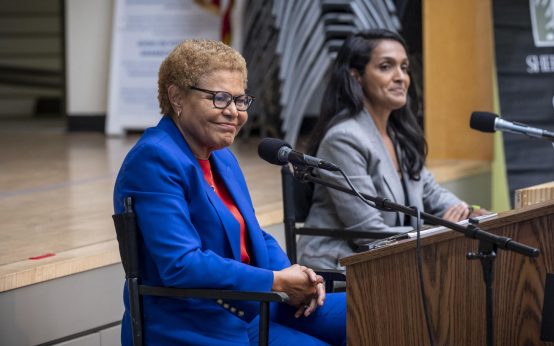 Analysis of the LA Mayoral Debate
 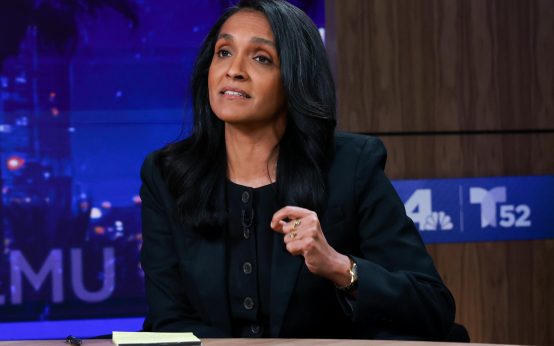 Councilmember Challenges Mayor Over Homelessness Program and Leadership
  French AI Entrepreneur’s Warning to American Voters: Avoid Democrat Policies
  L.A. Mayoral Debate Highlights: Bass vs. Raman
  Bass and Raman Face Off in Crucial Los Angeles Mayoral Debate
  L.A. Mayoral Debate Highlights Undecided Voter Impact