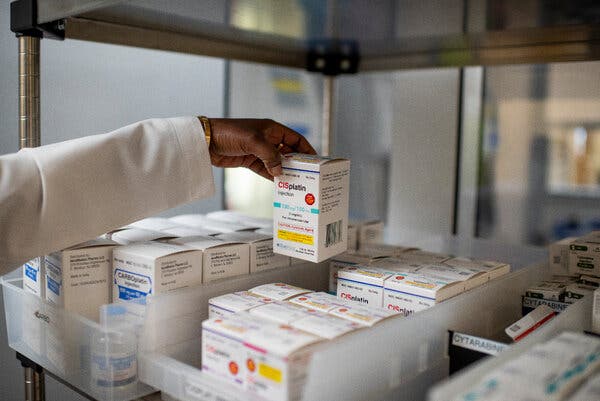
Doctors managing cancer treatments across the country are grappling with a significant shortage of crucial generic chemotherapy drugs. This scarcity has raised concerns about potential widespread rationing of these medications.
According to the Food and Drug Administration, several factors contribute to these shortages, including manufacturing issues, shipping delays, and some companies deciding to cease production of these drugs.
The affected drugs, such as carboplatin and cisplatin, have been in use for decades and are known for their effectiveness in treating cancers that lack more targeted therapies, including certain breast, lung, and head and neck cancers. Manufacturing these medications is challenging due to the need for sterile production environments, and their low market prices in the U.S. add to the problem.
One specific medication, ifosfamide, used for treating sarcomas, lymphomas, and testicular cancers, is already in such short supply that doctors must deliberate on treatment priorities.
“Some patients may not receive this drug, even if it is their best option, putting healthcare providers and families in a dire situation,” explained Dr. Andrew Shuman, a head and neck cancer surgeon at the University of Michigan who has testified before Congress on drug shortages.
In Michigan, Dr. Shuman notes that some physicians are reserving limited drug supplies for patients who would benefit the most, often prioritizing younger patients with a reasonable chance of full recovery.
 Understanding and Addressing the Complexity of Suicide
  Recall of Meat Products from Star Meat Delivery Inc.
  Questions Arise After Presley Gerber’s Death in Rehab
  Upcoming Concerns and Influence in Health Politics
  Fraud Task Force Saves Billions by Tackling Obamacare Misuse
  Presley Gerber’s Passing Raises Addiction Recovery Concerns