Rising Powassan Virus Cases
Powassan virus, a rare disease transmitted by ticks, is showing a concerning increase with 15 cases reported this year, following a record 76 cases in 2025. Dr. Marc Siegel, a senior medical analyst, warns of the danger and advises parents to check children for ticks after outdoor activities like summer camp. Currently, there is no specific treatment or vaccine for this virus.
Prevention Methods
To reduce the risk of tick bites, use insect repellent and wear protective clothing during peak tick season.
Bourbon Virus Confirmed in New York
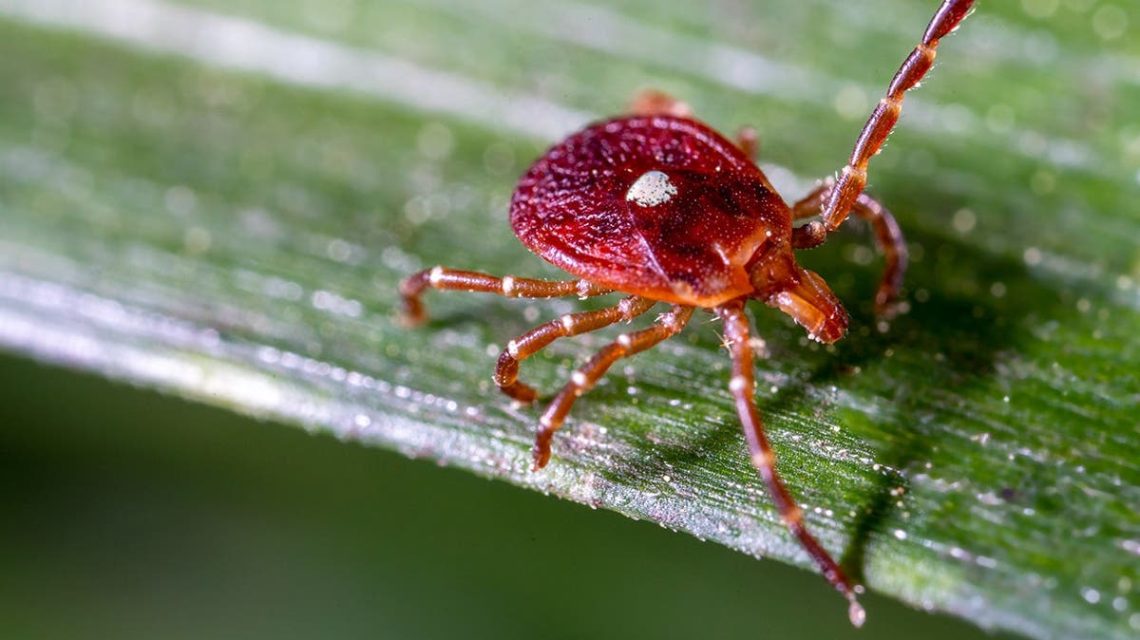
The Bourbon virus, confirmed in New York for the first time, is transmitted by the common lone star tick. Stony Brook Medicine highlights the risk of undiagnosed cases, as there is no vaccine or specific treatment available. With only six human cases documented since the virus’s discovery in 2014, diagnosing it remains challenging due to the lack of a commercial test and unfamiliarity among healthcare providers.
Symptoms and Recognition
Symptoms include fever, fatigue, rash, headache, body aches, and nausea. The lone star tick, identifiable by a white dot on its back, is a known vector. A New York patient recently exhibited severe symptoms and was hospitalized after contracting the virus.
Need for Better Diagnostics
Dr. Luis Marcos of Stony Brook Medicine stresses the need for improved surveillance and testing to better diagnose and track the Bourbon virus’s spread. The CDC notes that lone star ticks are present across much of the United States.
Prevention Tips
To avoid tick bites, wear long pants and sleeves, apply insect repellent to clothing, and avoid overgrown areas. After outdoor activities, check for ticks and remove them immediately. Seek medical attention if symptoms like fever or rash appear following a tick bite.
Lone star ticks are aggressive parasites found in many states, including Arkansas, Connecticut, and others. They mainly affect humans during nymph and adult stages.
Applying repellent-treated clothing and staying on clear paths helps reduce risks.
 Managing Distress and Discomfort Effectively
  Trump Administration Seeks to Influence NIH Grantmaking
  Understanding School Shooting Preparedness Drills
  Addressing the Complex Issue of Suicide and Its Prevention
  Quality of Sleep Linked to Risk Reduction in Various Diseases
  Exploring Diets and Their Potential to Reduce Alzheimer’s Risk