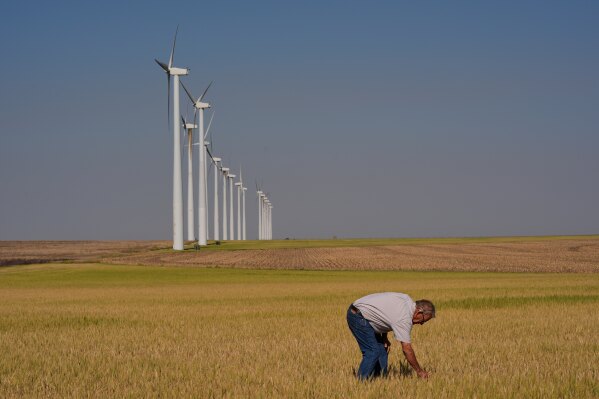
In Montezuma, Kansas, Orville Williams has consistently produced a healthy wheat crop on his 2,600-acre farm since his teenage years. However, this season presents unprecedented challenges.
Williams, 76, expressed concerns about the season ahead, noting, “All in all, it’s not going to be a good year.” Record drought conditions and above-average temperatures have hit much of the U.S., including the Plains. These conditions have facilitated the spread of wheat streak mosaic virus and barley yellow dwarf virus, significantly affecting crop potential. Combined with increasing fertilizer, diesel fuel, and tariff costs, wheat farmers are under pressure. Williams exemplifies this, inspecting his drought-stressed wheat fields in May 2026.
Crop estimates highlight the severity of the situation. The U.S. Department of Agriculture (USDA) predicts the smallest wheat crop since 1972, with a decline of 21% from 2025, totaling 1.56 billion bushels. Kansas, a leading wheat producer, shows alarming figures with 58% of the crop rated as “poor” or “very poor” as of mid-May. The state hasn’t seen such conditions since a severe drought in 2023.
Kansas State agronomist, Romulo Lollato, emphasizes the challenges faced by growers, impacting consumers through higher bread prices or reduced international market presence. Given this year’s adversity, many wheat growers are filing for crop insurance or considering alternative crops. Williams, who produced close to 100 bushels of wheat per acre last year, expects significantly lower yields this year.
The unpredictability of weather and increasing costs weigh heavily on farmers. Williams advises fellow farmers to persevere and limit expenditures to essentials. Climate change, driven by fossil fuel combustion, complicates farming year by year. Experts cite extreme weather patterns as significant contributors to current farming challenges.
As the U.S. loses ground in the global wheat market to regions like Russia and the European Union, wheat acreage has considerably declined over recent years. USDA meteorologist Brad Rippey points to a downward trend in U.S. wheat production heavily influenced by weather challenges over previous decades.
Despite these setbacks, wheat remains the nation’s third most important crop, following corn and soybeans. Thousands of U.S. farmers depend on it for their livelihood. However, many uncontrollable factors are making their work increasingly difficult.
USDA data reveals that drought conditions have accelerated wheat crop growth, potentially compromising harvest quality. By early May, 86% of Kansas wheat crops had seeded, higher than the previous decade’s average of 61%. Rippey explains that premature seed production often results in poor quality.
A report from the USDA states only 32.4 million acres of wheat were planted this year, with harvested acreage reaching 22 million. Abandonment rates, when farmers opt out of harvesting, stood above 32%, marking one of the few instances in history for such high winter wheat abandonment.
In Kansas, approximately 17% of the crop is being abandoned. Western Kansas farmers like Mike Nickelson emphasize the critical role of rain in successful crop yield.
Looking ahead, forecasters anticipate a strong El Nino, expected to bring warmer-than-usual temperatures to the U.S., delaying potential drought relief. Nickelson voices concerns about the future of farming for his family, noting the challenging times.
The ongoing conflict in Iran has driven fuel prices up. Williams, alongside other farmers, faces steep increases in diesel, seed, and fertilizer costs. Some growers purchased fertilizer early, yet future seasons remain uncertain.
Nickelson remarks on rising fertilizer costs, with urea prices jumping from $400 to between $600 and $700 a ton. Breaking even appears uncertain for many farmers.
For Ben Palen, a veteran farmer and consultant, the lack of viable options and minimal relief is daunting. Crop insurance offers some coverage, but government aid for inflated costs is limited. Palen laments the difficulty in switching crops mid-season due to soil moisture constraints.
Climate patterns pose ongoing challenges. As farmers try to adapt, the seriousness of the situation grows, encapsulated by drought-stressed wheat against a Kansas sunset.
 Environmental Concerns Halt Tree Removal at East Potomac Golf Links
  West Virginia’s Nuclear Proposal Faces Local Opposition
 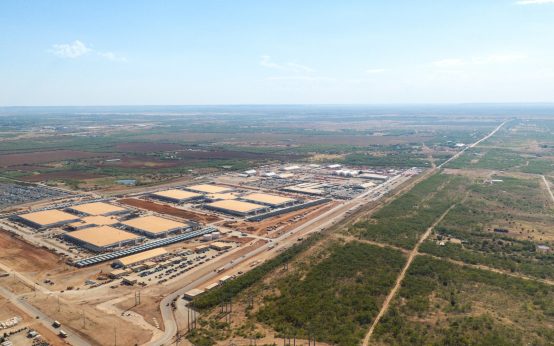 Texas Data Centers Face Criticism Over Water Use Reporting
  First Offshore Mining Lease Sale by U.S. Government
 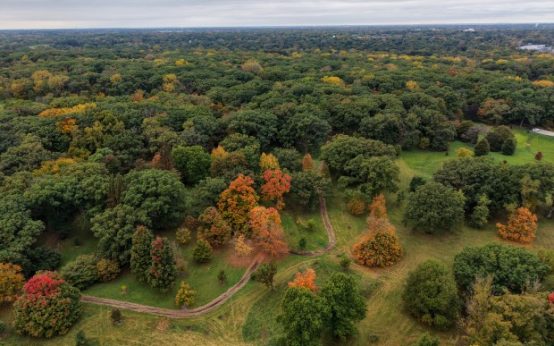 Unseasonal Warmth Delays Fall Foliage and Brings Impacts
 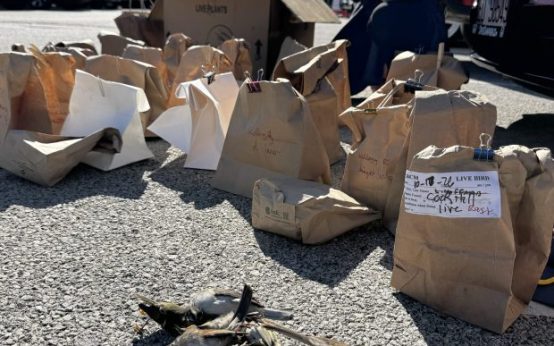 Bird Collisions Highlight Need for Bird-Friendly Measures in Chicago