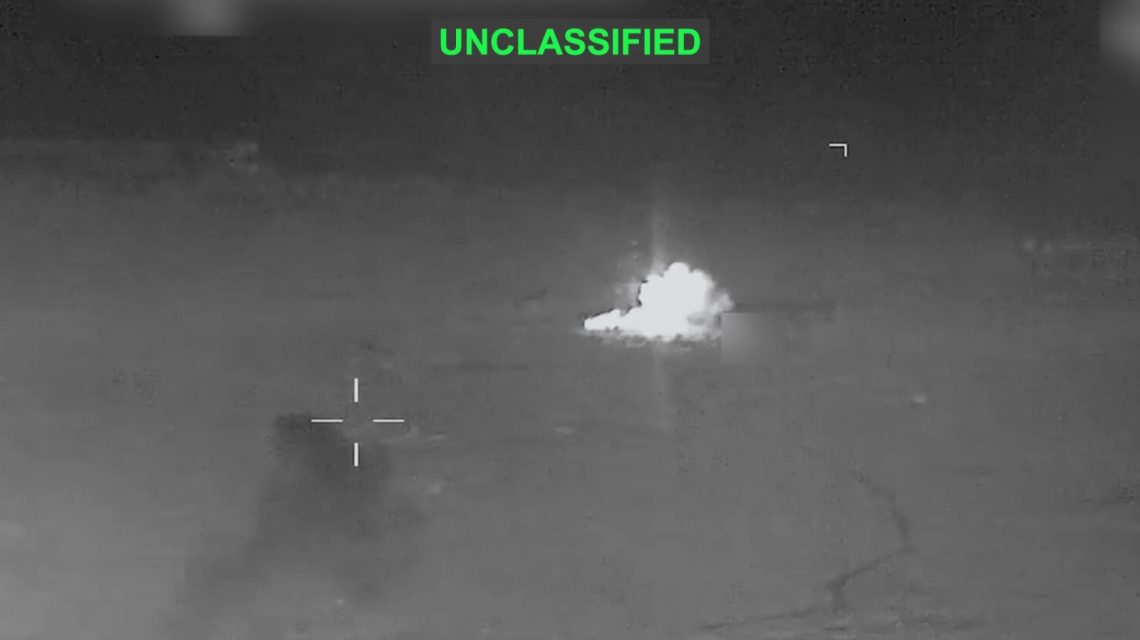
The recent escalation in the U.S.-Israeli conflict with Iran has prompted President Donald Trump to reconsider a memorandum of understanding (MoU) aimed at fostering peace with Iran. Initially, the MoU provided some relief by addressing critical issues, such as lifting blockades on the Strait of Hormuz and extending a ceasefire agreed upon earlier this year. However, the core matters remain unresolved, fueled by mutual distrust and disagreements over the MoU’s terms.
Negotiation Delays
Naysan Rafati, an Iran senior analyst at the International Crisis Group, explained that the MoU effectively deferred contentious issues, including nuclear-related matters, in favor of easing economic disruptions. While a logical step in theory, this approach risked different interpretations and potential failure points.
Comparisons to the JCPOA
The pursuit of a deal with Iran under the Trump administration has drawn parallels with former President Barack Obama’s Joint Comprehensive Plan of Action (JCPOA) established in 2015. The JCPOA removed sanctions in exchange for limits on Iran’s nuclear activities; Trump, however, withdrew from it in 2018. As its next anniversary looms, the MoU seems poised for a similar fate, despite being fundamentally different.
Unlike the JCPOA, which involved intensive negotiations and global support, including nations like China, France, and Germany, the MoU was hastily assembled during conflict. While the JCPOA’s collapse has bolstered skepticism, it also highlighted the potential effectiveness of diplomacy.
Dissolution of the MoU
Lingering suspicion over U.S. commitments has characterized the Iranian perspective, even as they portrayed the MoU as evidence of their diplomatic success. Concerns exist about potentially losing leverage without a definitive agreement, drawing historical parallels to previous conflicts.
The MoU’s lack of clarity regarding key points, such as the release of frozen assets and ceasefire terms with Hezbollah, has strained negotiations. Without progress, tensions persist, notably following attacks on tankers in the Strait of Hormuz, which Iran attributes to unauthorized operations. Recent U.S. strikes targeting military objectives further escalated the situation, with Iran responding in kind, highlighting ongoing volatility.
Uncertain Outcomes
The path to a definitive resolution remains elusive. Trump’s own acknowledgement that a prolonged conflict could undermine Republican election prospects illustrates strategic dilemmas. Despite initial military successes, the entrenched Iranian response poses significant challenges, exacerbated by global energy market disruptions and an unpopular conflict.
Former U.S. State Department official Alan Eyre noted that the MoU arose from a realization of strategic missteps and the need to reopen the Strait of Hormuz. The challenges in forging a lasting agreement highlight the complexities of U.S.-Iran relations. Current U.S. objectives include mitigating further losses and restoring maritime traffic, while Iran focuses on re-establishing deterrence and operational control over strategic chokepoints, speculating nuclear agreements remain unlikely.
 Republican Senator Criticizes Trump’s $5,000 Check Proposal
  Trump’s Approach to Iran at the United Nations
  Trump’s Triumphal Arch Controversy
 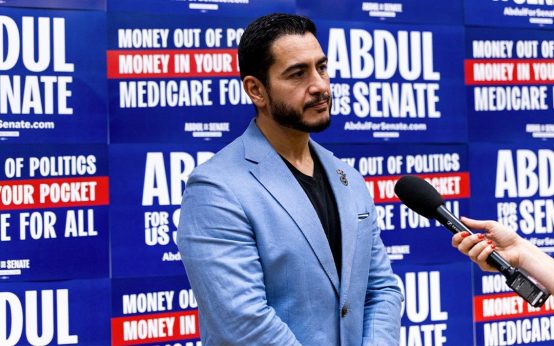 Concerns Over Abdul El-Sayed’s Potential Senate Role and National Security
 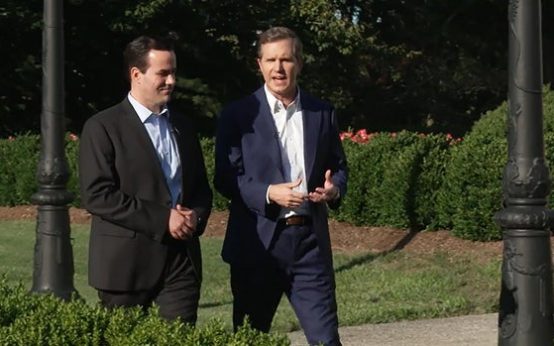 Kentucky Governor Andy Beshear Discusses Tariffs, Faith, and Political Ambitions
 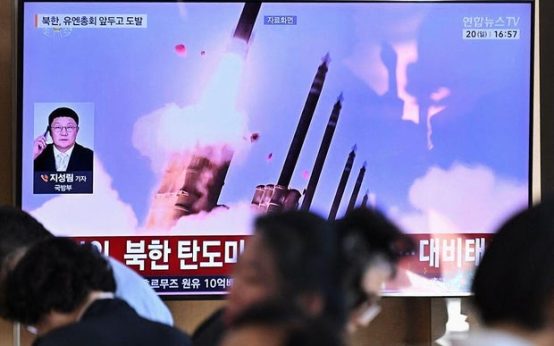 North Korea’s Missile Launches Escalate Tensions