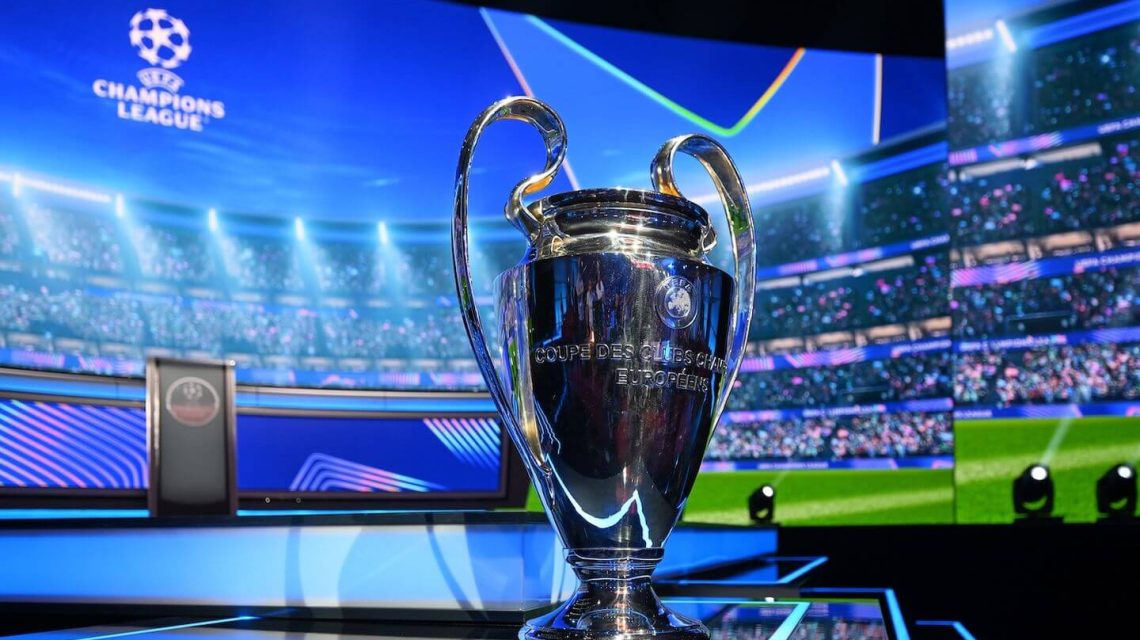
The draw for the 2026-27 Champions League is underway in Monaco. This season, 36 teams are set to participate in the league phase, competing in eight matches each to secure a place in the knockout stage. Paris Saint-Germain (PSG) aims to win the competition for the third consecutive time, with strong contenders like Real Madrid, Barcelona, Bayern Munich, and Arsenal eager to challenge their dominance.
Paris Saint-Germain’s president, Nasser Al-Khelaifi, along with other notable football figures, is attending the event. PSG is in line to join the ranks of Real Madrid, Bayern Munich, and Ajax as teams that have won the competition three times in succession.
Manchester City faces an unpredictable season after significant changes, including a new coach, Enzo Maresca, and the loss of key players. Their Champions League journey could be successful or challenging as they seek to rebuild their squad.
Como, the latest entrant in the competition, has surprisingly qualified by finishing fourth in Serie A. They are a team to watch with exciting talent, particularly Nico Paz.
RB Leipzig has seen changes after sacking their coach and selling their star player, Yan Diomande, to Real Madrid. Real Betis return to the Champions League after 21 years, bringing hope with new signing Troy Parrott.
Shakhtar Donetsk will play their home matches at a temporary location in west London. Despite adjustments due to conflict in Ukraine, they maintain a strong presence.
UEFA has taken a significant step against FIFA’s president, Gianni Infantino. Accusations are mounting regarding Infantino’s involvement in a failed World Cup commercial rights sale, which UEFA claims was set at an uncompetitive price.
The Champions League continues to evolve, with a new Swiss League format in its third season. Teams now have eight league-phase games, as opposed to the traditional six. This shift in format allows for more flexibility, but an increased chance of slip-ups is acknowledged by clubs today.
The drama between UEFA and FIFA has intensified, with tensions over governance and competition formats affecting relationships. Both organizations are at odds over recent attempted commercial dealings, a scenario that seems to magnify the challenges in managing international football.
The new Champions League format provides more opportunities for teams to recover during the league phase. Unlike the previous six-game format, teams now have more chances, even if they suffer multiple defeats, to qualify for knockout spots.
Meanwhile, the Conference League differs slightly in structure, with only six matchdays determining the teams’ standings in the phase. Clubs face a different setup compared to Champions League teams, participating in a distinct draw and match structure.
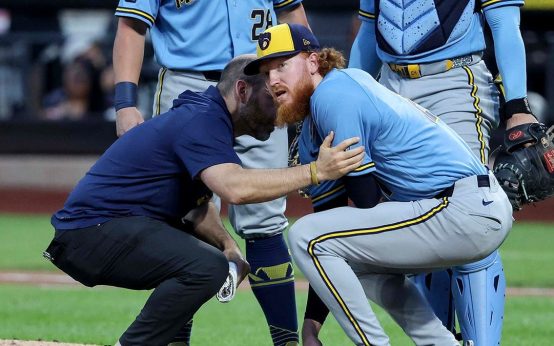 Dustin May Injured by Line Drive, Brewers Turn to Bullpen
 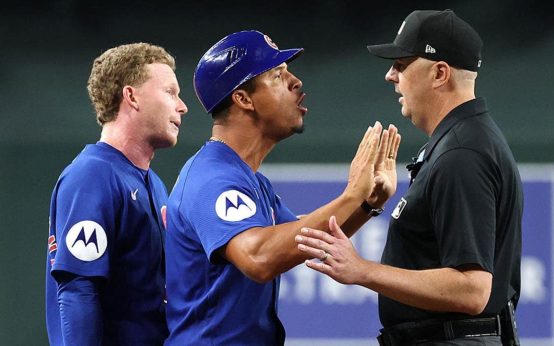 Pete Crow-Armstrong’s Frustration Over Missed Balk Against Diamondbacks
  Kevion Moton’s Impactful Presence Elevates Waukegan Bulldogs
 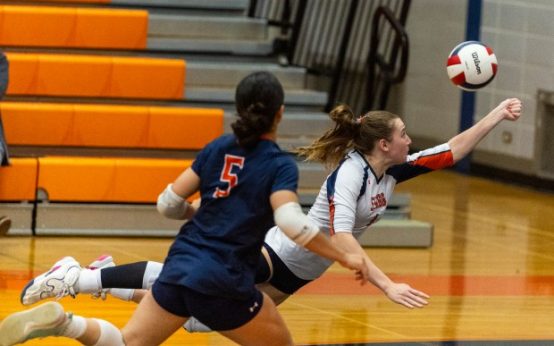 Stagg’s Katy Zumerchik Triumphs Over Challenges to Lead Her Team
 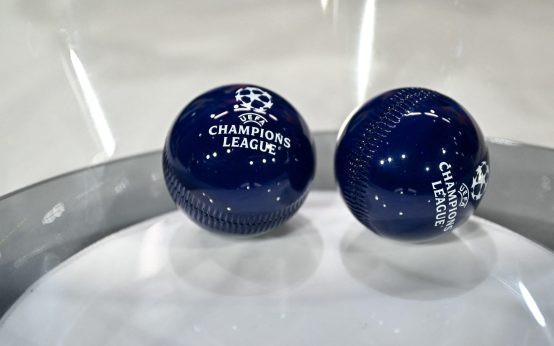 UEFA Champions League Draw Details and Team Placements
  Tristan Peters Joins Elite Company with Home Run Streak