
In 2026, the landscape of labor politics remains challenging. Several major private-sector union contracts are set to expire nationwide as summer approaches. This includes contracts for 20,000 Verizon employees in the Northeast and Mid-Atlantic, along with 25,000 steel-mill workers in the Midwest.
Earlier this year, Stop & Shop successfully avoided a strike. The company reached an agreement with 28,000 food workers in New England, preventing further disruptions.
Although organized labor has seen a decline in influence, it is finding unexpected support. New alliances are forming across the political spectrum, with both the Left and the Right showing increased interest in labor issues.
This shift indicates a possible resurgence in the role of unions. These alliances might influence negotiations and outcomes in the future, as various political groups recognize the potential impact of organized labor.
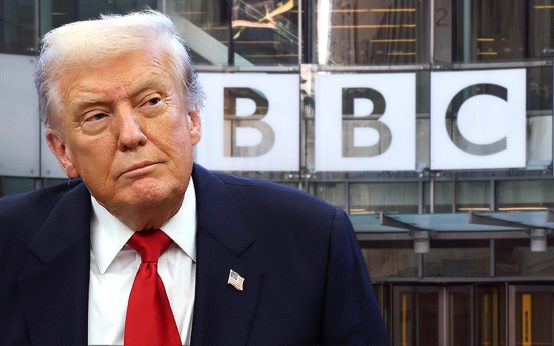 Trump’s Defamation Lawsuit Against BBC Advances
 Facilitating Remote Work for Conservative Pro-Fertility Goals
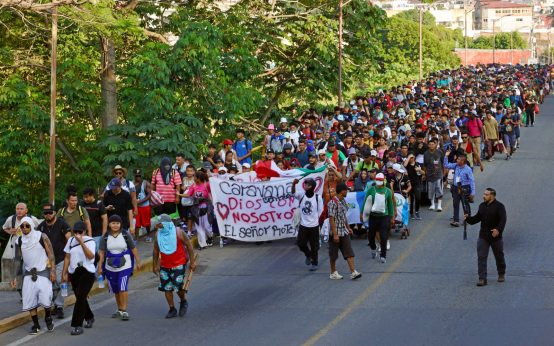 Gina Hinojosa Prepares to Lead Texas Amid Immigration Challenges
 Lessons from 1974 and 1994
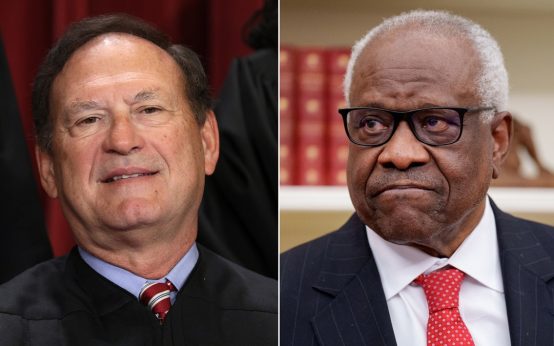 Midterm Election Results and Their Impact on U.S. Politics and the Supreme Court
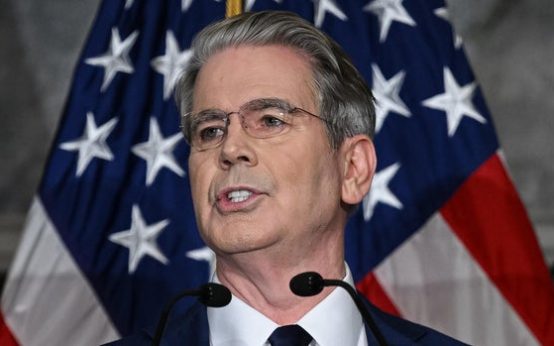 Treasury Secretary Scott Bessent Relocated Due to Iranian Threat