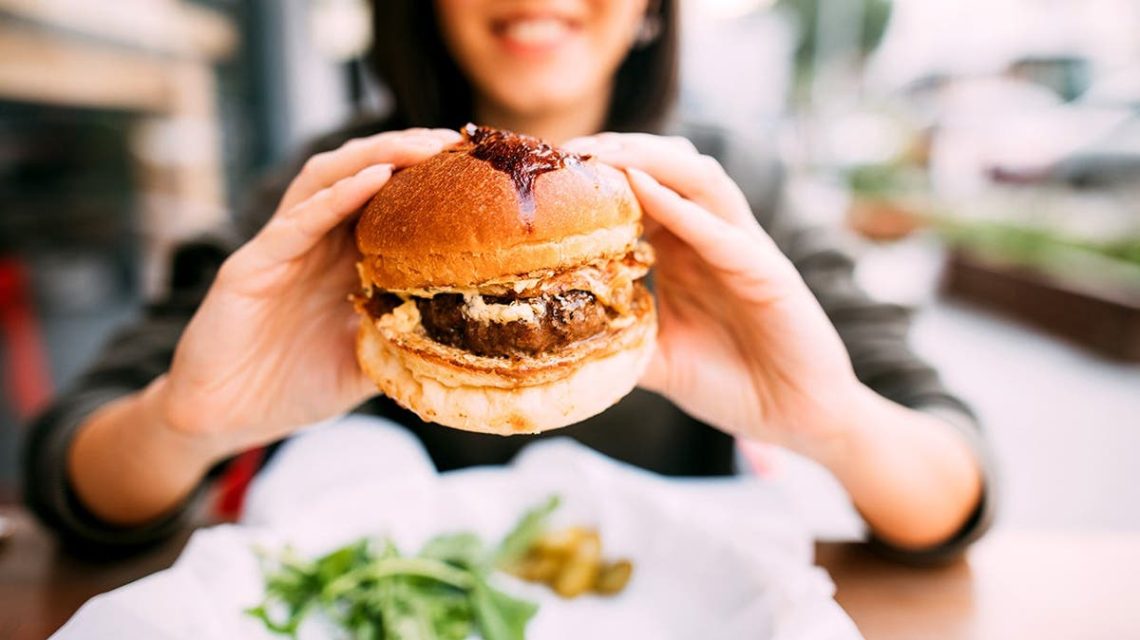
Many people believe soaking burger buns in grease and juices from the cooked patty enhances flavor. However, according to Executive Chef Michael Hawk from the Fontainebleau in Miami Beach, this method is not advisable.
Better Bun Preparation
Chef Hawk recommends toasting the bun with butter instead. This adds both flavor and texture while creating a crust. He suggests using a sauté pan at medium heat with whole, unsalted butter. Melting the butter and placing the bun cut-side down in the pan, a little pressure is applied for better contact. Toast for about two to three minutes until golden brown.
Perfect Timing
Chef Hawk advises toasting the bun as the burgers are nearly done. Burgers need time to rest after cooking, which prevents liquids from soaking into the bun. Toasting the bun takes about three to four minutes, which aligns perfectly with resting time for the burger.
Burgers, when you pull them off, need a little bit of time to rest so they’re not just leeching the liquids out on the bun.
Avoid Burning
Burnt buns are often the result of intense grill heat. Chef Hawk recommends using slower, gentler heat. If grilling, place buns on the grill’s outer edges where it’s cooler.
Choosing the Right Bun
Hawk prefers brioche or potato bread as they don’t overpower the meat’s flavor. Despite this preference, any bun type can work based on personal taste.
Essential Burger Tips
For the best burger, consider the patty’s shape, size, and meat blend. Consistent shape and weight in a batch of burgers ensure better cooking. A digital thermometer is useful to check doneness, removing burgers from heat five degrees before they reach the desired temperature.
Smashing for Best Results
Smash burgers are popular. Chef Hawk stresses smashing the patty only when raw. Pressing during cooking results in lost moisture and an unsuccessful crust development.
If you smash it halfway through the process, it’s going to result in a drier burger, and it’s not really going to develop that nice crust, either,Hawk mentioned.
Temperature Matters
Tempering meat, or letting it reach room temperature, enhances cooking by retaining moisture. Hawk suggests allowing the burger to warm slightly, ensuring its internal temperature is optimal for a hot grill without drying out.
 Voice Disorders Linked to Dementia Risk
  Americans Seek Ibogaine Treatments Abroad Amid Health Risks
  Ensuring Passenger Safety During Rideshare Trips
 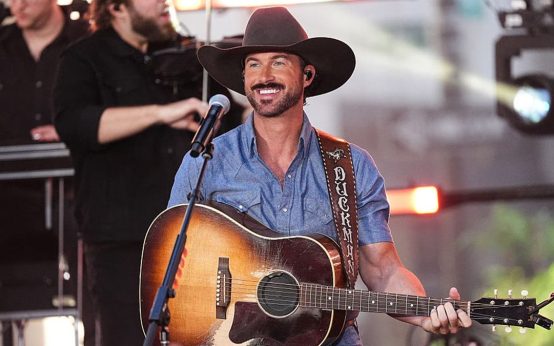 Riley Green’s Successful Elk Hunt in Utah Mountains
 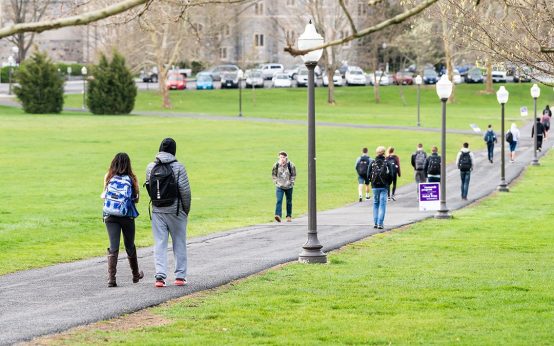 Gen Z Freshmen Opting for Online Classes and Leaving Campus
  Former Stripper Finds Peace Through Faith and Aims to Help Others