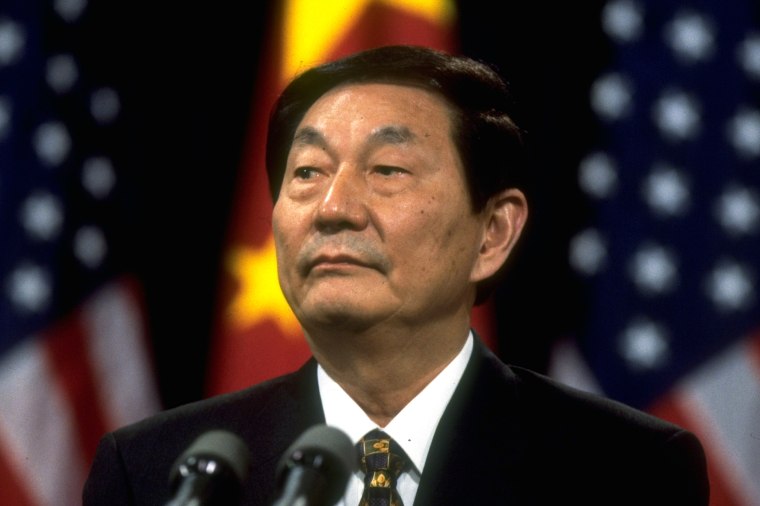
China held a solemn ceremony for former Premier Zhu Rongji on Tuesday. His body was cremated, and the national flag was flown at half-mast. Zhu, known for his straightforward approach to reforms, passed away at 97, prompting citizens to reflect on his complex legacy.
Security was heightened throughout Beijing, especially near Tiananmen Square and Zhongnanhai, the political epicenter. These locations were part of the route to the Babaoshan crematorium, where Zhu was laid to rest.
President Xi Jinping and the Politburo’s standing committee participated in the ceremony. They observed a moment of silence and bowed three times before the cremation, as reported by Xinhua, the state news agency. Former President Hu Jintao, absent from recent events, sent condolences through a wreath.
Zhu served as China’s vice premier from 1991 to 1998 and premier from 1998 to 2003. During the 1990s, he advanced significant economic reforms. These efforts included controlling inflation and restructuring the tax and banking systems, which paved the way for China joining the World Trade Organization in 2001.
Zhu once told officials in Shanghai, “My guiding principle is independent thinking. I believe I should say what I truly think.” His political career faced obstacles, with his Communist Party membership revoked for two decades after a brief speech in the late 1950s.
His passing generated widespread reactions on Chinese social media. While some criticized his policies for causing job losses, many praised his leadership. Zhu acknowledged this divide, saying in 2001, “A considerable number of people like me, but some hate me to the core.”
Chinese authorities managed the announcement of Zhu’s death meticulously, mindful of the potential for public sentiment to trigger unrest. Historical precedents include large protests following the deaths of leaders like Zhou Enlai in 1976 and Hu Yaobang in 1989, which led to significant political demonstrations.
Despite the increased censorship, many continued to share memories of Zhu. Zhao, an IT worker, noted people’s nostalgia for Zhu and felt the emotion of the period when China was rapidly reforming and opening up to the global stage.
 Brazil’s Presidential Election Heads to Runoff
 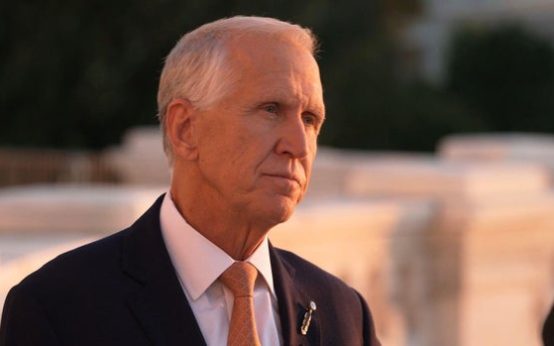 Sen. Thom Tillis Critiques Trump Administration and Reflects on Political Career
  Trump Forms Task Force to Address Artificial Intelligence
  Indiana House District 19 Race: Olthoff vs. Neal
 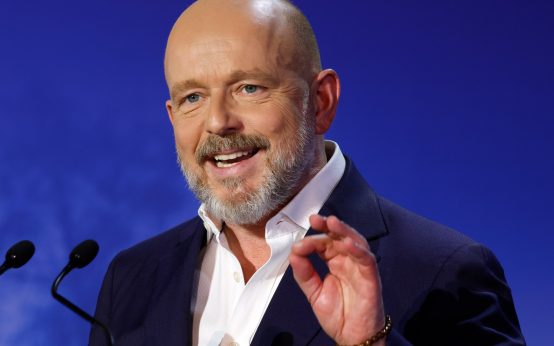 Hilton’s Campaign Ad Faces Backlash in California Governor Race
 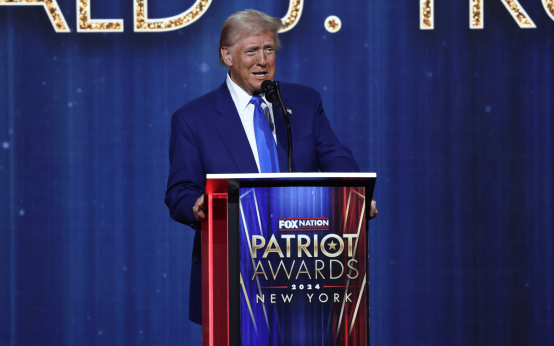 Trump Criticizes Fox News Over Rally Coverage and Ratings Concerns