
Climate change significantly affects social interactions by altering community dynamics and the environment residents inhabit. Severe weather events disrupt social activities, affecting festivals and other gatherings, contributing to the isolation of individuals within communities.
Importance of Social Connection
Globally, social interaction is considered vital for personal and communal well-being. Engaging with others activates the brain and reduces stress levels. Relationships provide a conduit for sharing information, offering mutual assistance, and initiating community actions, particularly during emergencies.
Impact of Extreme Weather on Social Interaction
Extreme weather patterns, including severe storms, floods, or heat waves, have become more prevalent, challenging communities’ ability to maintain connections. These patterns disrupt routines, undermine communication, and damage places that support social and cultural traditions.
“When outdoor temperatures become dangerous, people retreat indoors.”
Research shows these environmental changes can intensify the already existing loneliness crisis. Before the COVID-19 pandemic, Americans were spending less time with friends and family. Our studies in rural Appalachia reveal further constraints on social interactions due to adverse weather conditions.
Challenges Posed by Extreme Weather
High temperatures force people indoors, reducing participation in community events and interactions among neighbors. Severe storms or flooding make travel unsafe, further isolating individuals.
Power outages are a common consequence of extreme weather. These outages disrupt communication by affecting internet and cellular services. Connectivity loss especially impacts those in remote areas who rely on Wi-Fi for phone services, leaving them isolated.
Loss of Cultural and Community Hubs
Climate change also displaces or destroys cultural hubs and traditional spaces within communities. Events like Hurricane Irene demonstrate how communities lose significant places. In Cherry Valley, New York, floodwaters eradicated a communal reservoir, eliminating a vital gathering spot.
Similar phenomena are observed in regions like rural Appalachia, where droughts and heat waves mar landscapes and traditional gatherings, such as the Ohio Pawpaw Festival.
Overlapping Disasters Compounding Isolation
Disasters often coincide, multiplying their impact on social connections. A single storm may trigger multiple emergencies, such as flooding and power outages, creating compounded isolation.
Certain groups, like older adults or those without access to transport, face heightened isolation and vulnerability to extreme weather events.
Sustaining Social Connections Amid Climate Disruption
Amid rising global temperatures fueled by fossil fuel use, maintaining societal bonds is essential for effective disaster response and climate adaptation. Investing in community centers and hubs offers a potential solution. Locations like public libraries can serve dual purposes as educational centers and emergency shelters, providing vital resources during environmental crises.
Protecting social connections, despite their fragile nature, should become a priority to ensure community resilience in facing climate disruptions.
 Challenges Facing President Trump: Nuclear Issues, Climate Crisis, and AI
 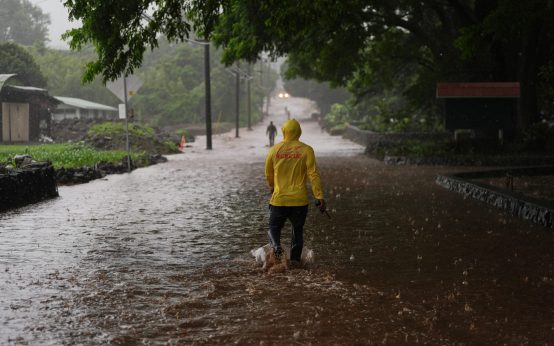 Hurricane Polo Threatens Baja Peninsula; Hawaii Braces for Nolo
  Fuel Efficiency Standards Rolled Back
  Marram Grass Transplantation at Indiana Dunes State Park
 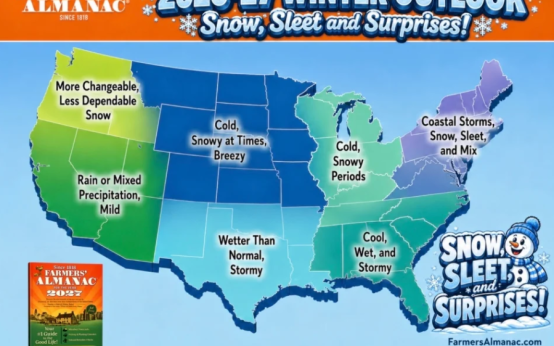 Winter Weather Forecasts for 2026-2027
  Oregon’s Unprecedented Wildfire Season: A Call for System Change