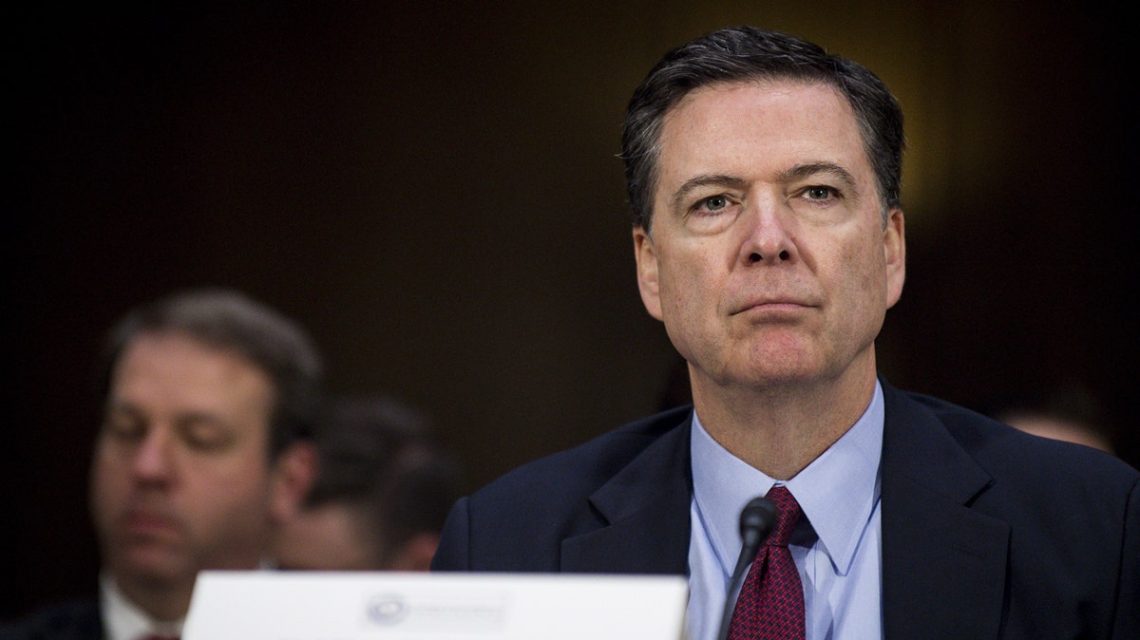
A federal judge has postponed former FBI Director James Comey’s trial to October. The delay allows Comey’s defense team to argue against federal charges claiming he threatened President Donald Trump. The controversy centers on an Instagram post that Comey made in 2025. The photo showed seashells arranged to convey “86 47,” which authorities argue was a threat to the President.
Originally scheduled for July, the trial will now begin on October 21. Prosecutors did not oppose the change. This gives the defense more time to argue that the post was political speech protected by the First Amendment. The case may set important precedents for free speech rights.
Comey has been a prominent figure since the 2016 election. His decisions during the investigations into former Secretary of State Hillary Clinton and Russian interference have kept him in the political spotlight. He was dismissed by Trump in 2017.
Legal Controversy
Legal experts question whether the charges against Comey will survive a First Amendment challenge. The phrase “86 47” has drawn attention. “86” is slang for “get rid of,” while “47” refers to Trump as the 47th president. Prosecutors claim this combination implies a threat.
Comey deleted the post after backlash, saying he was unaware “86” could suggest violence. His attorney states Comey intends to oppose the charges, denying any intent to threaten.
- District Judge Louise Wood Flanagan, appointed by George W. Bush, made the decision to delay the trial.
- Critics view the indictment as an example of alleged political weaponization by the Trump administration.
Government Response
Acting Attorney General Todd Blanche defended the charges. Speaking in April, he stated, “We cannot allow threats against the President.” Blanche emphasized that such actions are illegal under laws passed by Congress.
Virginia Senator Mark Warner criticized the indictment as politically motivated. He stressed that decisions should rely on evidence and law, not political grudges.
The outcome of the case may shape future debates about the boundaries between free speech and perceived threats.
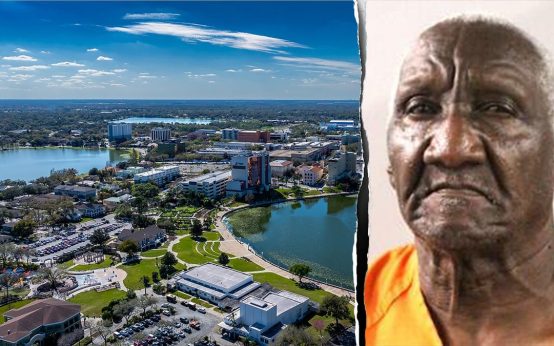 Florida Man Faces DUI Arrest After Admitting to Alcohol and Drug Use
 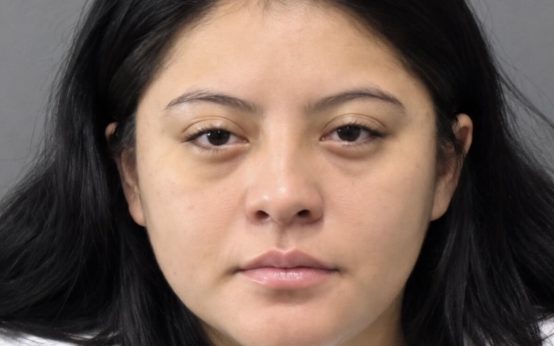 Mother Arrested After Abandonment of Newborn in Riverside
 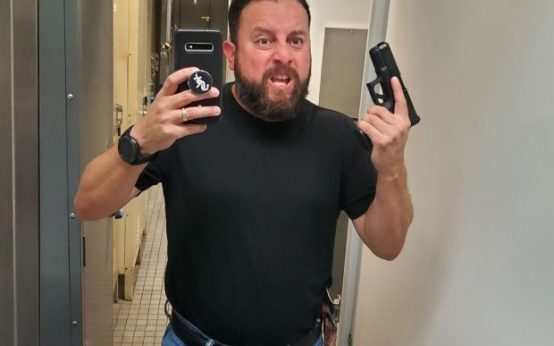 Luis Uribe Convicted for Crimes Against Sex Workers
  Former Cornell Student Files Lawsuit Against University for Alleged Sexual Assault
  Fatal Car Crash Involving Undocumented Immigrant in Grand Rapids
  Prosecutors Oppose Kohberger’s Appeal in Idaho Student Murders Case