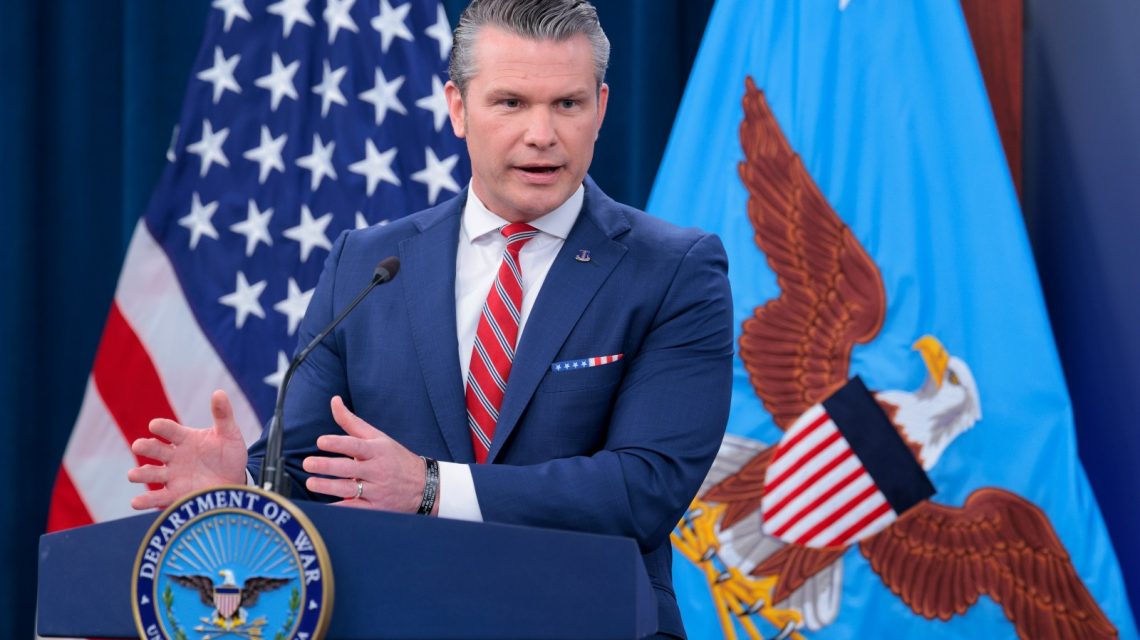
There’s rising concern in Congress over a wave of senior military leader departures under Defense Secretary Pete Hegseth. Lawmakers from both parties fear that the removal of top officers could weaken decision-making during a time of conflict and uncertainty. The departure of General Chris Donahue, head of U.S. Army Europe and Africa, has drawn attention to the lack of transparency in these changes.
A Pentagon spokesperson defended the changes as a reflection of the traditional policy that senior leaders serve under civilian discretion. Chief Pentagon Spokesman Sean Parnell reiterated this to Newsweek, stating general officers serve at the pleasure of the President and Secretary of War.
Risks to Military Advice
Senator Tim Kaine, a Democrat on the Senate Armed Services Committee, warned of potential actions by lawmakers if the Pentagon fails to offer clearer answers. Kaine voiced concerns on CBS’ Face the Nation about whether the firings signal a shift towards surrounding Hegseth with agreeable voices rather than genuine truth tellers.
He noted the trend of removals seems to target the Army, which Hegseth reportedly felt mistreated by during his service in the Army National Guard. This spurred questions about whether decisions are personal or in the nation’s best interest.
Bipartisan Concerns
Republican lawmakers share these concerns. Senator Thom Tillis and Representative Don Bacon have criticized the firings for potentially prioritizing loyalty over merit and risking military effectiveness. Bacon, a Republican and former brigadier general, expressed concern that abrupt removals without explanations may politicize the military.
This criticism highlights a split within the Republican Party, with varying views on the Pentagon’s authority to reshape leadership versus concerns over the scope and speed of the changes.
Guardrails Debate
Since Hegseth took office in 2025, multiple high-level officers have been removed, including General Randy George, Army Chief of Staff, and others. Critics argue these changes come at a troubling time as the U.S. remains engaged in overseas conflicts, lacking detailed public explanation.
Retired Army Major General Randy Manner warned that such removals could deter candid advice from officers during wartime, which does not benefit American troops.
General Donahue’s exit particularly concerns legislators as he is highly respected for his strategic roles, including during the U.S. withdrawal from Afghanistan. Lawmakers argue that losing esteemed leaders without clear reasons sends a negative signal throughout the military.
Debate Over Defense Policy
The ongoing debate over these leadership changes is impacting discussions around the National Defense Authorization Act, expected to be considered by Congress soon. Though the Senate’s current draft does not address these firings, amendments could emerge amid increased scrutiny.
The House has already moved towards more oversight by advancing a proposal requiring the Pentagon to notify Congress of any senior military removals within five days. This seeks more transparency while preserving executive authority.
This tension between Pentagon control and congressional oversight continues, especially with active foreign engagements necessitating careful strategic decisions. As lawmakers seek more answers, discussions could soon lead to amendments in military leadership policies.
 U.S. Appeals Court Supports New Missouri Congressional Map
  GOP Candidates Call to End Iran War Amid Rising Fuel Costs
  Trump Administration Seeks to Influence NIH Grantmaking
  Protests in Austin: Analyzing the Coordination Behind Anti-ICE Demonstrations
  Controversy Surrounds Inglewood Mayor Amid Allegations
  White House Launches Trump TV Amidst Press Dispute