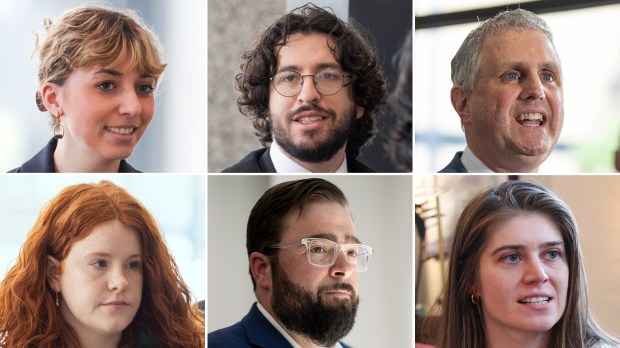
On October 23, 2025, a federal grand jury in Chicago considered whether to indict six individuals involved in a protest against an immigration agent near the ICE facility in Broadview. Tensions ran high as transcripts revealed dissent among grand jury members regarding felony charges in an incident with no physical harm. Despite initial resistance, including a ‘no bill’ decision, the indictment eventually proceeded after three sessions.
U.S. Attorney Andrew Boutros addressed the grand jury, urging them to follow legal procedures despite personal beliefs. Concerns were raised about the lack of collaboration among the protesters and whether their actions constituted a felony. According to transcripts, Assistant U.S. Attorney Sheri Mecklenburg acknowledged the complexity of the situation and appreciated the jurors’ questions. By the end of that day, prosecutors secured indictments against the six activists, dubbed the ‘Broadview Six.’
The following year saw complexities surrounding the Broadview Six case, especially concerning the conduct of law enforcement. Even after the charges were dismissed in May due to allegations of grand jury misconduct by Mecklenburg, repercussions lingered at the Dirksen U.S. Courthouse. U.S. District Judge April Perry is considering if any misconduct occurred among officials, potentially leading to sanctions or the appointment of special counsel. Perry set an October 30 deadline for internal communications that could indicate whether U.S. Justice Department officials in Washington were involved, which Boutros’ office denies.
The case involved activists Katherine Abughazaleh, Andre Martin, Michael Rabbitt, Joselyn Walsh, Brian Straw, and Catherine Sharp. Facing harsh reactions from the Trump administration, the activists saw all charges dropped and emerged as symbols of dissent against immigration policies, although with a tumultuous journey. Michael Rabbitt, Democratic Committeeman for the 45th Ward, highlighted the government’s failed efforts to silence critics, viewing various anniversaries as milestones of resistance.
At their reunion near the protest site, Brian Straw contemplated his experiences since the indictment, affirming he would not change anything despite the hardships. The spotlight on the Justice Department’s actions justified their ordeal. Still, both Rabbitt and Straw acknowledged the lengthy process they endured.
The indictment announcement came a week after its return, catching Rabbitt abroad with his wife. Shocked by the FBI’s notification, Rabbitt sought legal support upon his return. Warnings from acquaintances to expect unpredictability from the Trump administration added stress to his return journey. Straw, initially disbelieving the charges, faced turmoil at home as national attention descended on his family.
The Broadview Six’s indictment marked a significant chapter amid the Midway Blitz operations, igniting reactions from various political circles given the defendants’ political connections. Katherine Abughazaleh’s congressional candidacy and influence from national conservative figures intensified the narrative. The U.S. attorney’s office detailed the protesters’ interference with the ICE agent’s vehicle, releasing statements reinforcing law enforcement’s response to protest.
Legal representation for the Broadview Six deemed the indictment politically driven due to administrative pressure. Requests for records of any interactions between prosecutors and government officials highlighted concerns over prosecutorial motivations. Boutros repudiated claims of political bias, deeming defendants’ discovery requests baseless.
Despite denials, revelations of communications about the Broadview incident surfaced in defense filings, involving DOJ officials reviewing incident footage and subsequent updates characterized as routine. Additionally, inquiries from government associates showcased potential awareness or interest in prosecution well before the official indictment.
While Judge Perry has not concluded any malicious intent, she acknowledged procedural flaws during recent hearings, with particular regard to representations by Boutros’ office. Perry’s inquiry focuses on potentially misleading actions rather than jury-related issues given the dismissed charges.
Controversy persists beyond the courtroom, affecting related cases and operations. Mecklenburg’s resignation underscores the internal conflicts and accusations of prosecutorial pressure. An ongoing examination into practices and alleged mishandling by the prosecutor’s office may not untangle broader consequences.
For individuals like Straw, the emotional and familial toll remains poignant, exposing the vulnerable intersection between public engagement and personal safety. As the judicial process unfolds, former defendants prioritize shedding light on their experiences despite past hardships.
The Broadview Six identify deep-seated issues concerning free speech and First Amendment rights. Reflecting on events, Rabbitt voices optimism for systemic acknowledgment and resolution, looking beyond immediate circumstances. As anniversaries loom, Rabbitt recognizes both personal and collective implications of their legal journey, sharing moments of relief and introspection with his wife, continuing the pursuit of justice and resilience.