Consumers are noticing rising costs for food and gasoline, but those pale next to the increase in Affordable Care Act (ACA) premiums. Recent data indicates a growing concern about whether it should be termed the Unaffordable Care Act.
A report by the Peterson-Kaiser Family Foundation studied 276 health insurers across the U.S. It showed that by 2027, ObamaCare premiums might rise by a median of 15%. Nearly 90 insurers anticipated hikes between 20% and 35% or more, following a 20% increase in 2026. This could mean premiums rising up to 50% over two years for some.
The blame often falls on the Republicans and former President Trump for these increases. Yet, Democrats hold significant responsibility. Health policy experts warned about potential price hikes when the Act was passed, predicting a decline in covered individuals. These warnings went unheeded.
As ObamaCare’s Open Enrollment starts, there is a clear indication from the Kaiser Family Foundation of dwindling participation. The individual health insurance market saw an 18% drop between mid-2025 and mid-2026. This market caters to people without employer-based or government-provided insurance.
Kaiser predicts a further drop of about 4.6 million from 20.5 million people. A major factor in this decline is the expiration of enhanced premium tax credits, alongside policy changes expected to decrease enrollment. Much like consumers cutting back on expensive goods, ACA enrollees are likely to drop out as costs rise. Generally, healthier young people will exit, deeming premiums unjustifiable even if subsidized.
This poses economic and actuarial challenges: an insurance pool thrives on contributions from healthy individuals to subsidize care for the sick. As the healthier demographic drops out, the remaining pool becomes sicker, causing premiums to rise further. This cycle is termed a ‘death spiral’ in the insurance domain.
The issue could worsen due to administrative problems. The Department of Health and Human Services noted persistent fraud and phantom enrollments, projecting 2.6 million improper enrollments remain. Many lack Social Security numbers. As these are removed, the loss of subsidies for these phantom members could reduce funds available for ACA enrollees, accelerating the death spiral.
Democrats and media have faulted Republicans for not renewing enhanced subsidies, yet this narrative is misleading. The premium surge aligns with the law’s inherent mandates. Originally, ACA provided substantial subsidies. In 2021, enhanced subsidies were approved during President Biden’s administration as temporary relief. Republicans chose not to renew these enhanced subsidies, which masked real costs.
Should trends continue, ACA risks shrinking to a costly program predominantly covering sicker individuals. Halting or reversing this decline seems improbable without further enhanced subsidies. A potential solution might arise if Democrats win control in the 2028 elections, paving the way for more subsidies. Enhanced subsidies could slow the departure of insured individuals, primarily because taxpayers shoulder most costs.
 Christina Applegate Discusses Misdiagnosis and Continuing Health Struggles
 FDA Warning for Graziers Cheese Due to E. Coli Outbreak
 Addressing School Shootings with Children: A Guide for Parents
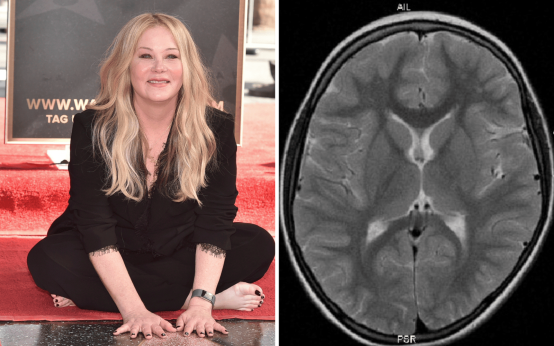 Christina Applegate Discusses MS Misdiagnosis and Ongoing Health Challenges
 Significant Changes Coming for Medicare Beneficiaries in 2027
 Green Spaces Linked to Lower Dementia Risk in Older Adults