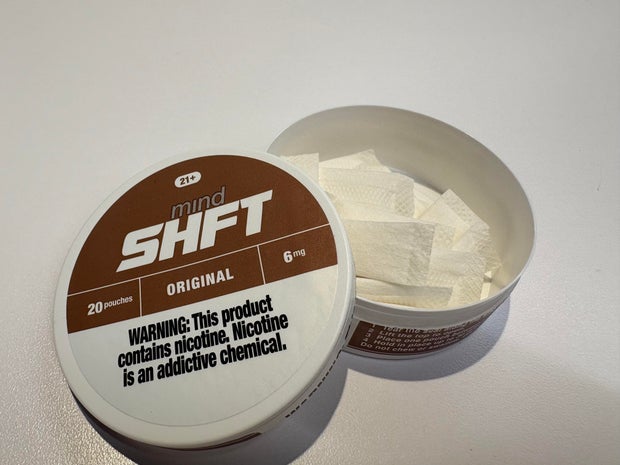
A company established in May has secured a unique contract to supply flavored nicotine pouches to the Bureau of Prisons’ 118 institutions. However, concerns have arisen over the authorization of these products.
Contract Details and Concerns
The brand of 6-mg pouches, named “mindSHFT,” sold to federal prisoners, lacks authorization from the Food and Drug Administration (FDA) for sale in the U.S. It is also not available commercially. Following CBS News’ investigation, a senior prison official paused the arrangement, instructing all prisons to stop procurement until further notice.
The Bureau of Prisons must ensure the health and safety of inmates. Distribution of improperly authorized or contaminated products could pose serious risks.
Rationale and Suspensions
The Bureau of Prisons (BOP) introduced nicotine pouches to counter illegal tobacco and nicotine trafficking within federal prisons. The purchasing of these products has been suspended following consultations with the FDA, and a legal review of inventory is underway. No adverse health effects have been reported from these products.
Contractor Information
SHFT Enterprise Holdings LLC became incorporated in Florida shortly after the BOP requested information on vendors capable of providing FDA-authorized nicotine products for federal inmates. Despite not issuing a formal Request for Proposals (RFP), SHFT Enterprise Holdings was named the sole vendor.
Pricing records show SHFT charges $6.99 per tin, with inmates paying $9.10. The pouches have reportedly been selling rapidly in available institutions. Federal law prohibits marketing nicotine products not authorized by the FDA.
Legal Compliance and FDA Authorization
Federal law deems unauthorized products as “adulterated,” creating significant legal hurdles. Complex FDA applications involve considerable cost and scientific research.
Background and Connections
SHFT Enterprise Holdings’ online presence is minimal, with connections to Kevin Mastaler, tied to Redcon1, formerly led by Aaron Singerman. While some business ties exist, no direct link to SHFT from Singerman is publicly established.
Concerns and Sales Activity
The newly initiated sale of nicotine pouches has raised alarms among some correctional officials due to potential health and security implications. Although precise purchasing data is unavailable, records show both smaller and larger purchase orders have been executed.
A BOP policy since 2014 prohibits the sale of tobacco-related products in commissaries. However, it does not address nicotine pouches, which do not necessarily contain tobacco-derived products.
Questions persist regarding sales potentially impacting security, compounded by regulations against on-premises smoking for correction officers.
Financial Context
Prisoners utilize trust fund accounts for commissary purchases, with profits supporting a revolving account not federally funded. The trust fund, operating at a loss previously, has reportedly turned profitable independently from nicotine sales.