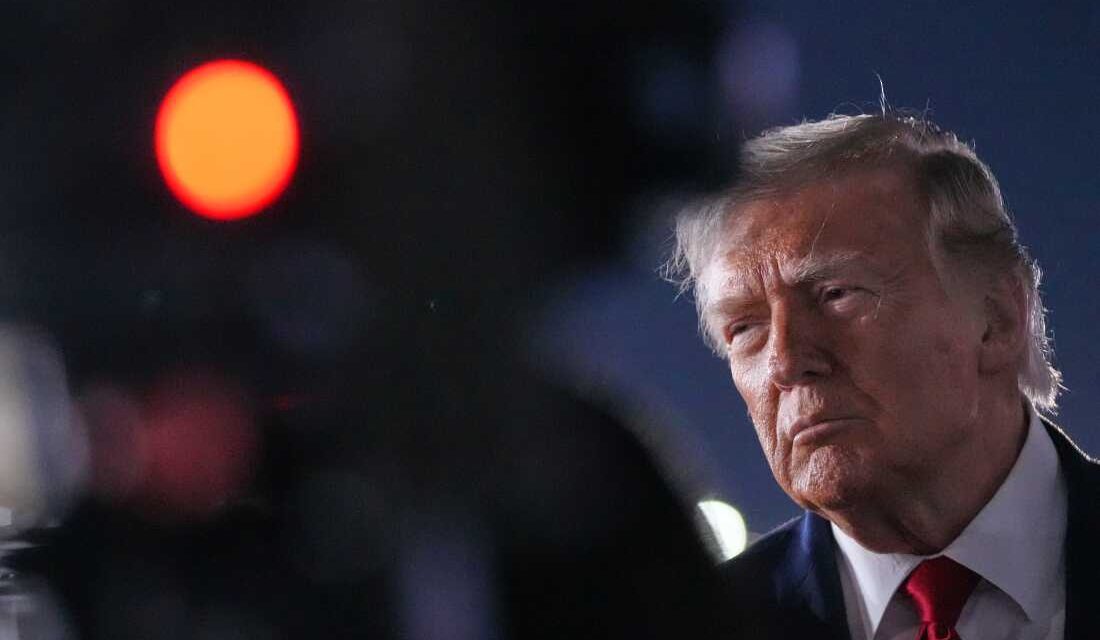
President Donald Trump addressed reporters before boarding Air Force One at John F. Kennedy International Airport, New York, early Tuesday, June 9, 2026. At the same time, a U.S. Army Apache attack helicopter crashed near the Strait of Hormuz. Trump confirmed the two crew members on board were uninjured following the incident in the strategic waterway, which remains highly contested by Iran.
The cause of the crash was not immediately clear on Tuesday morning. The Middle East is still recovering from recent escalations as Iran and Israel exchanged fire, marking the most significant breach of the fragile ceasefire in the ongoing Iran conflict. Iranian state media acknowledged the crash but did not provide further details.
Since the initiation of U.S. and Israeli strikes on Iran on February 28, the war has severely impacted the global economy. It has driven up energy prices and increased the cost of essentials, including food. Officials have struggled to solidify the ceasefire from April into a permanent resolution to the conflict.
Speaking to journalists after attending the NBA Finals on Monday night, Trump acknowledged the helicopter crash, saying, “The pilots are fine. Yeah. Nobody injured. We are going to issue a report tomorrow. But the pilots are fine.” The New York Times first reported the incident, noting the unclear circumstances surrounding the helicopter’s downing near the strait. The U.S. military’s Central Command and the Defense Department did not immediately respond to requests for further comment.
Apache helicopters play a critical role for the American military in enforcing a blockade on Iranian oil shipments, aiming to pressure Tehran into negotiations. The helicopters have also supported the United Arab Emirates in countering Iranian drones during the ongoing conflict.
Renewed Optimism for Iran Deal
Trump expressed new optimism regarding negotiations with Iran, stating, “We have a good chance” of reaching a deal within “two or three days.” Details were sparse, but the president asserted, “We’re very close to having a very, very good, strong, powerful deal.” He warned of the consequences if negotiations fail, cautioning against military action that might close the strait for months.
Mediators, primarily Pakistan, have been active in trying to broker an agreement. However, both Iran and the U.S. hold firm positions. The U.S. demands Iran relinquish its stockpile of highly enriched uranium, believed to be hidden in the country after American airstrikes during the short-lived war of 2025. Iran refuses, seeking relief from sanctions and the release of frozen assets before a final deal is reached. Trump has rejected this approach.
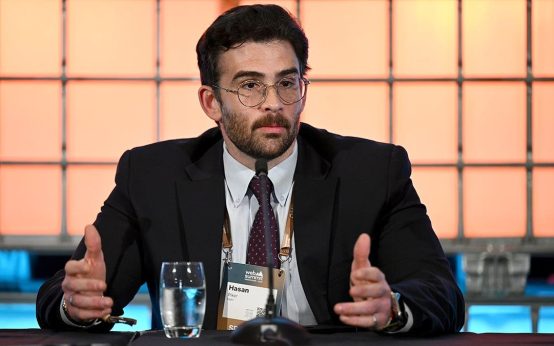 Twitch Streamer Hasan Piker Discusses Controversial Commentary
  A Shifting Political Landscape: The Decline of Autocratic Power
  Trump Delivers Warning to Iran, Cuba at UN General Assembly
 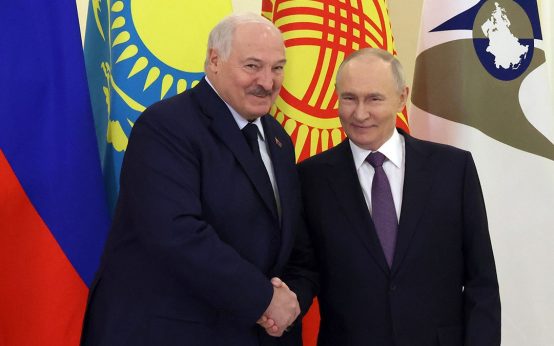 Lukashenko and Putin’s Unique Relationship and Belarus’ Strategic Role
  Alan Ritchson Faces Backlash Over Political Remarks
 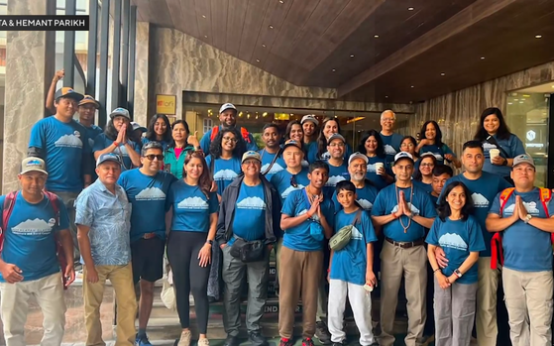 Himalayan Pilgrimage: A Couple’s Narrow Escape and Lingering Questions