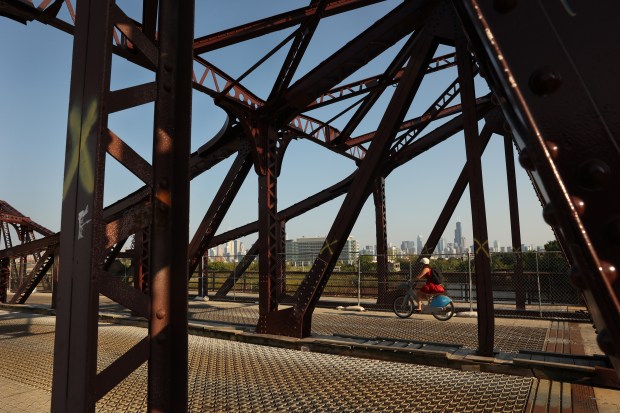
The Cortland Street Bridge has been shut to vehicles for the past year, creating extended travel times and traffic issues. Residents in North Side have described it as a serious inconvenience and a nightmare. The bridge, 124 years old, is a historic city landmark and the oldest trunnion bascule bridge model in Chicago. The Chicago Department of Transportation (CDOT) initially closed the bridge for an expected 18-24 month rehabilitation. However, its condition proved worse than anticipated, extending the closure indefinitely.
Two aldermen, frustrated with the delay, are considering revoking its landmark status to expedite the replacement process. CDOT has warned that even if the landmark status is removed, state and federal historical reviews would still be required. This highlights a broader debate about preserving historical architecture amid the need for modern infrastructure.
CDOT initially projected reopening in 2027, but recent structural assessments revealed the bridge can’t safely support vehicles without extensive repairs. Aldermen Brian Hopkins and Scott Waguespack have received numerous complaints from constituents. With other bridge closures downtown at Lake Street and Near North Side on Chicago Avenue, traffic problems have worsened. Earlier criticism led to a new ordinance requiring CDOT to brief the City Council on any long-term bridge closures.
The Cortland Street Bridge, a vital part of Chicago’s identity, is among many trunnion bascule bridges in the city, a design pioneered by Chicago engineers. Preservation advocates stress the bridge’s historical significance, fearing its removal would set a damaging precedent for landmarks city-wide.
CDOT assures that any changes wouldn’t bypass necessary state and federal reviews. Despite its landmark status, the bridge’s age and degraded condition have become obstacles to quick repairs. Critical components are difficult to access due to its original design, necessitating a comprehensive review.
Aldermen have expressed growing frustration over a lack of visible progress. The community urges transparency, questioning the initial assessment and outage planning. CDOT’s work has involved bridge-pier protection and stabilization tasks, though residents report sporadic activity.
CDOT faces public scrutiny not only for the Cortland bridge but also for other closed bridges, ensuring historical character preservation during rehabilitation. Alternatives like pedestrian and cyclist-only access are suggested, although CDOT rules them impractical due to lengthy negotiations.
Emily Marzonie, a Lincoln Park resident, advocates for preserving city heritage while addressing logistical needs. She believes in finding solutions that balance historical value with functionality, emphasizing how integral such landmarks are to Chicago’s culture and uniqueness.
 Department of Homeland Security Updates Seal Symbolism
 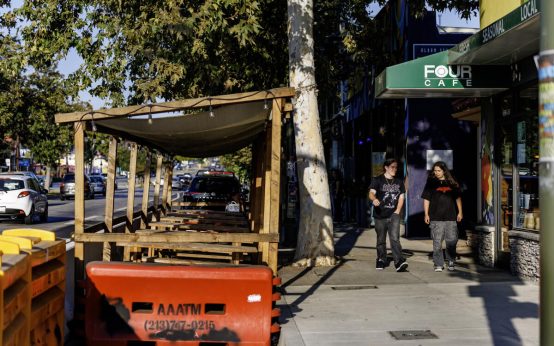 Bus Lane Plan Sparks Controversy in Eagle Rock
  Harris County Commissioners Approve Large Property Tax Increase
  Reviving Lahaina: Hawaii’s Housing Struggle Post-Fire
  Amazon Cargo Plane Crash Investigation at Miami Airport
 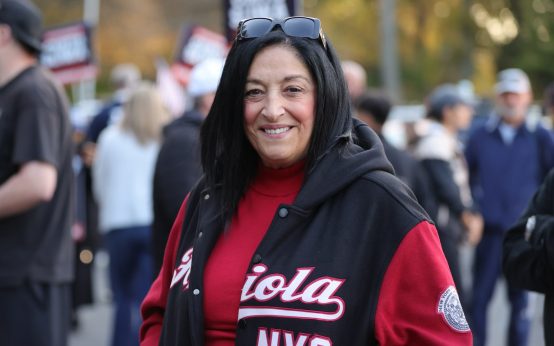 Controversy Over Mayor’s Participation in 9/11 Memorial Event