Overview of Influence Allegations
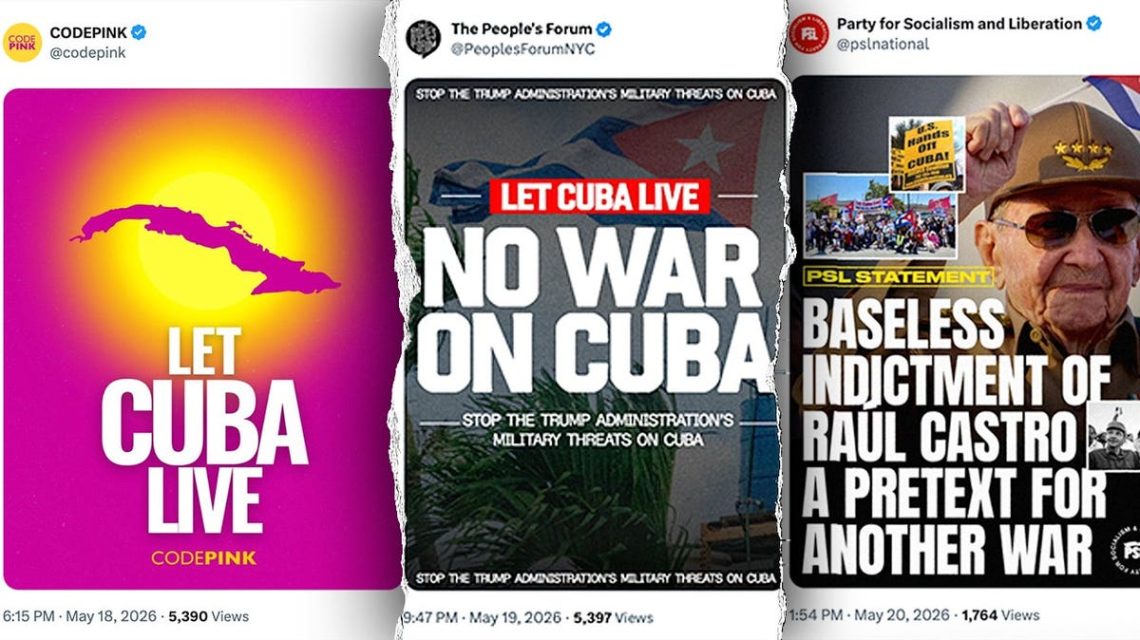
Federal authorities in the United States are investigating allegations that Cuba’s communist government established an influence network within the country. This investigation comes after U.S. Attorney General Todd Blanche announced charges against Cuban leader Raúl Castro for the shootdown of civilian aircraft in 1996. Almost instantly, a coordinated network began mobilizing to defend Castro.
Rapid Response Network
At 1:54 p.m. on the day of the announcement, the Party for Socialism and Liberation, deeply embedded in a “Hands Off Cuba” campaign, released graphics denouncing the indictment. Hours later, leaders from organizations like CodePink echoed support for Castro, highlighting opposition to U.S. actions.
Investigation into Nonprofit Coordination
The Justice and Treasury Departments are investigating whether U.S. nonprofits and activist groups are coordinating lobbying and fundraising efforts with Cuban officials. More than 145 groups are reportedly involved, controlling about $1 billion in annual revenue. Prominent organizations include CodePink and the People’s Forum.
Cuba’s Alleged Solidarity Network
U.S. officials are concerned about the rapid synchronization of political messaging across various platforms following geopolitical developments involving Cuba. Organizations allegedly funded by Neville Roy Singham, a tech tycoon supporting the Chinese Communist Party, are under scrutiny. These include the ANSWER Coalition and BreakThrough News.
Cuban Embassy’s Response
The Cuban Embassy in Washington denies any improper activity, asserting diplomats adhere to the Vienna Convention. Part of their role involves promoting friendly relations and engagement with civil society.
Key Figures and Activities
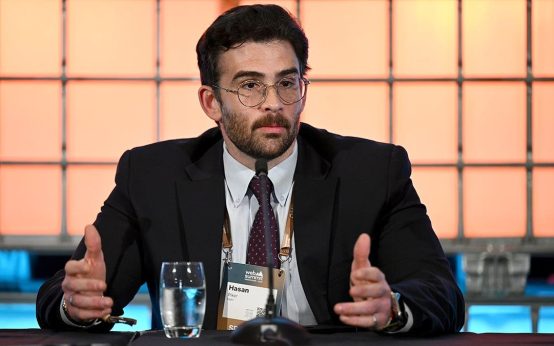
Investigators are examining activists connected to the Cuba solidarity movement, such as Twitch streamer Hasan Piker and CodePink’s Medea Benjamin. The probe extends to Americans coordinating goods and supplies convoys to Cuba.
Pro-Communist Communities
The ecosystem includes labor unions, socialist organizations, and media operations, all alleged to support the Communist Party of Cuba. Key networks investigated are those involved in travel and educational exchanges.
Legal and Financial Scrutiny
Under the Foreign Agents Registration Act (FARA), activities directed by a foreign government may require registration, though advocacy itself is protected under the First Amendment. Investigators are determining if groups crossed into coordinated activity with Cuban officials.
The investigation also involves compliance with the U.S. sanctions regime enforced by OFAC. Investigators are assessing whether fundraising activities and shipments violated these regulations.
Fundraising and Compliance Concerns
Some organizations purportedly used intermediary nonprofits to obscure Cuba-related transactions. Instructions to donors sometimes avoid direct mention of Cuba to bypass scrutiny.
Discussion on Influence Operations
Mike Gonzalez from the Heritage Foundation describes Cuba’s influence efforts as revolutionary organizing. He emphasizes the importance of determining whether U.S. organizations engaged in coordinated activities with foreign direction.
 Challenges Facing the Supreme Court’s Public Perception
  California Democratic Aide Arrested for Visa Overstay by Federal Authorities
  Twitch Streamer Hasan Piker Discusses Controversial Commentary
  Experts Doubt Export Ban Will Lower Fuel Prices
  A Shifting Political Landscape: The Decline of Autocratic Power
  Trump Delivers Warning to Iran, Cuba at UN General Assembly