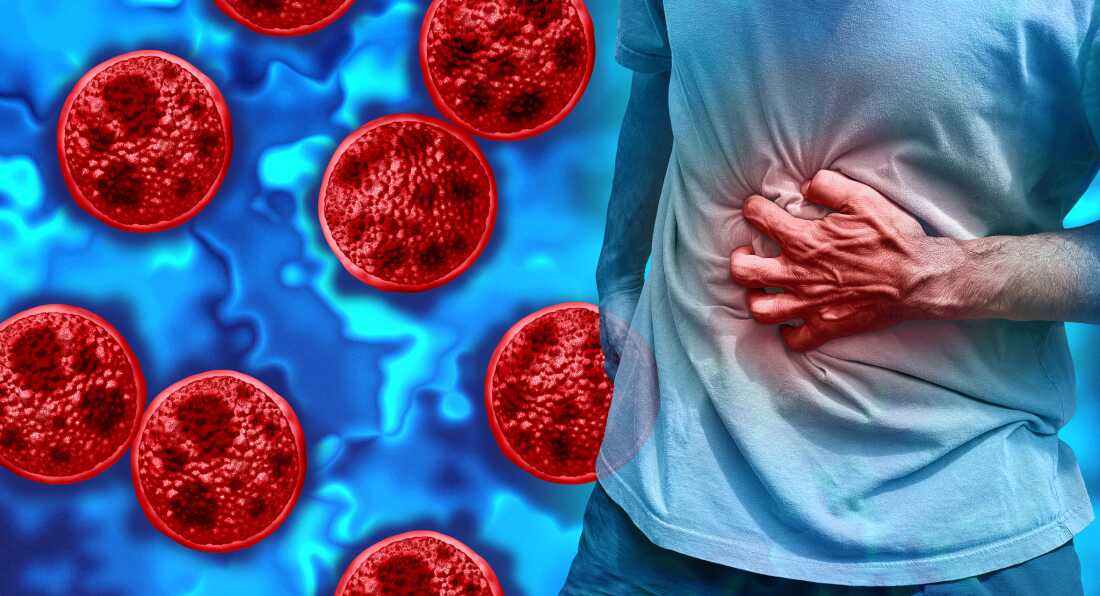
Cyclosporiasis is a parasitic illness resulting from consuming contaminated food or water. The tiny Cyclospora parasites have recently caused significant digestive issues for thousands in the U.S., marking the largest outbreak of this parasite in the country’s history.
Current Outbreak Statistics
As of July 28, the Centers for Disease Control and Prevention (CDC) reported cases in 45 states. Michigan is the focal point, with over 10,000 people affected. Contaminated lettuce is a probable source. Cyclospora parasites utilize human digestive systems exclusively for reproduction and likely travel on produce from areas where they are common.
Lifecycle and Reproduction of Cyclospora
On produce surfaces, Cyclospora parasites rest in pods known as oocysts, invisible to the naked eye. Once consumed, they journey through the digestive tract. “It would take about a hundred of them, linked end to end, to fit across the head of a pin,” explains Vernon Carruthers, a microbiology professor at the University of Michigan Medical School. Signals in the gut, like body temperature and digestive enzymes, trigger their release.
Inside the intestines, the parasites target the lining, multiplying within the cells. This rapid reproduction, occurring millions of times, continues until new oocysts form. The process severely damages the intestinal cells, impacting nutrient absorption and causing symptoms like nausea and diarrhea, according to Joel Barratt, a molecular parasitologist at Emory University.
Transmission and Environment
Infected individuals excrete thousands of oocysts per milliliter of diarrhea. However, freshly excreted waste is not infectious. Oocysts require time in the environment to mature, a process not yet fully understood but likely influenced by seasonal factors.
Contamination in the food system can occur through tainted dirt, irrigation water, or unsanitary handling practices. Industrial processes washing produce in shared water may spread the parasite further. Oocysts demonstrate resistance to chlorine, sunlight, and cold, remaining viable in water and on crops.
Managing and Treating Infections
Infections can persist for weeks or months, unlike typical viral stomach bugs. Antibiotics like Bactrim, Septra, or Cotrim can help by inhibiting parasite reproduction, allowing the immune system to clear the infection more effectively.
In areas where Cyclospora is more common, people seem to build partial immunity, with younger individuals typically experiencing symptoms more than older adults.
Outbreak Causes and Prevention
In the U.S., such outbreaks are often tied to the import of food from endemic regions lacking proper sanitary facilities. Human waste contaminates local water sources or directly affects crops. This year’s widespread U.S. outbreak remains puzzling. Factors may include a significant contamination event affecting popular, highly consumed products.
In response, Taylor Farms recalled suspected contaminated products, like lettuce linked to illnesses across nine states. Investigations into additional sources, including parsley and cilantro, are ongoing. Public health officials advise washing and cooking fresh produce to minimize infection risk.
 Managing Distress and Discomfort Effectively
  Trump Administration Seeks to Influence NIH Grantmaking
  Understanding School Shooting Preparedness Drills
  Addressing the Complex Issue of Suicide and Its Prevention
  Quality of Sleep Linked to Risk Reduction in Various Diseases
  Exploring Diets and Their Potential to Reduce Alzheimer’s Risk