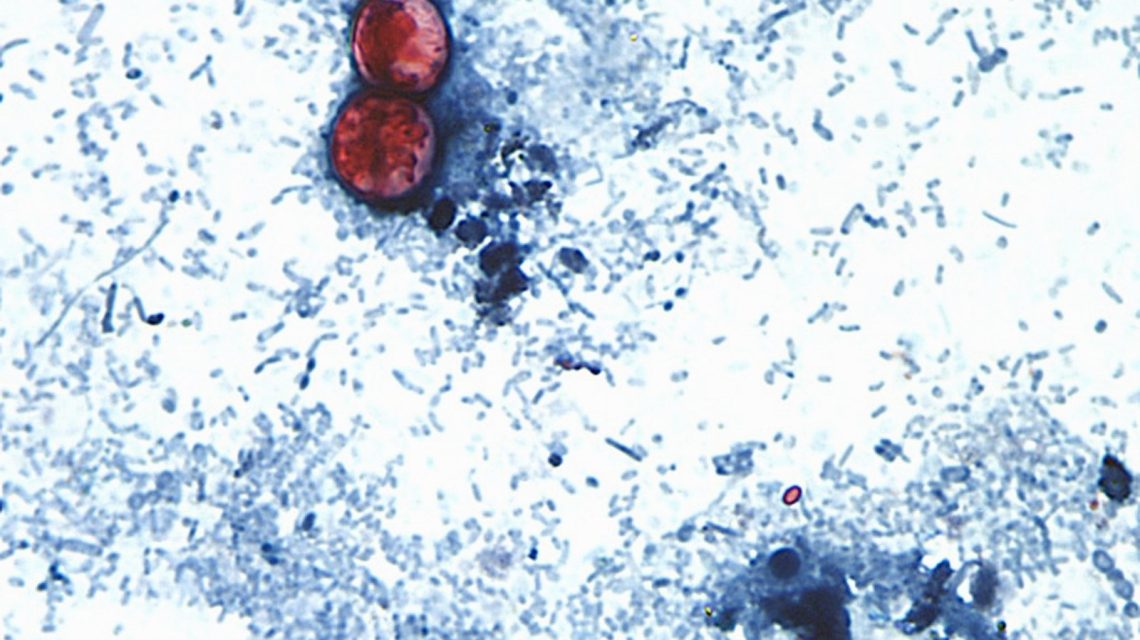
The U.S. Centers for Disease Control and Prevention (CDC) announced that a cyclospora outbreak has now spread to 15 states. The outbreak is linked to iceberg lettuce. Recently, six more states joined the list: Arkansas, Iowa, Missouri, Nebraska, New Hampshire, and North Carolina. Previously affected states include Indiana, Kentucky, Michigan, Ohio, West Virginia, Illinois, Kansas, Oklahoma, and Pennsylvania.
So far this year, cyclosporiasis cases have been reported in at least 47 states. Investigations are ongoing to determine the extent of cases tied to a single contaminated source. According to the CDC, there are 6,358 cases connected to the lettuce outbreak. At least 278 of these cases resulted in hospitalization. This week, Michigan reported the first two deaths associated with the outbreak.
Initial investigations pointed to shredded iceberg lettuce from Taco Bell as the outbreak’s source. Now, attention is on Taylor Farms, which supplied the lettuce. The company has since recalled iceberg lettuce grown in central Mexico.
Since May 1, the CDC reports 10,468 laboratory-confirmed domestic cyclosporiasis cases. Additionally, there are over 12,255 cases pending further investigation or laboratory confirmation. Many reports come from Michigan.
What Is Cyclospora?
Cyclospora is a microscopic parasite that contaminates food through contact with human feces. This occurs often when produce is irrigated or cleaned with tainted water. Ingestion of the parasite leads to an intestinal illness characterized by frequent and intense bowel movements.
Undercounted Cases
Official counts reflect only laboratory-confirmed cases. State data might include probable cases, causing variations in reported totals. The CDC estimates more than 12,000 additional cases are likely. Some cases are unreported because they lack laboratory confirmation or require additional analysis. People might self-recover without medical intervention and are thus not included in official statistics.
Diagnosis and Treatment
Symptoms generally emerge about a week after exposure but can range from two days to over two weeks. Untreated, the illness can last more than a month, with symptoms potentially disappearing before recurring.
Diagnosis involves stool tests, which may require multiple samples and specialized testing not commonly available. Treatment typically involves trimethoprim-sulfamethoxazole, known as Bactrim or Septra, along with rest and hydration. Patients with weakened immune systems or poor health face a higher risk of severe or prolonged illness.
 Recall of Meat Products from Star Meat Delivery Inc.
  Questions Arise After Presley Gerber’s Death in Rehab
  Upcoming Concerns and Influence in Health Politics
  Fraud Task Force Saves Billions by Tackling Obamacare Misuse
  Presley Gerber’s Passing Raises Addiction Recovery Concerns
  Understanding October SNAP Benefits: Payment Dates and Changes