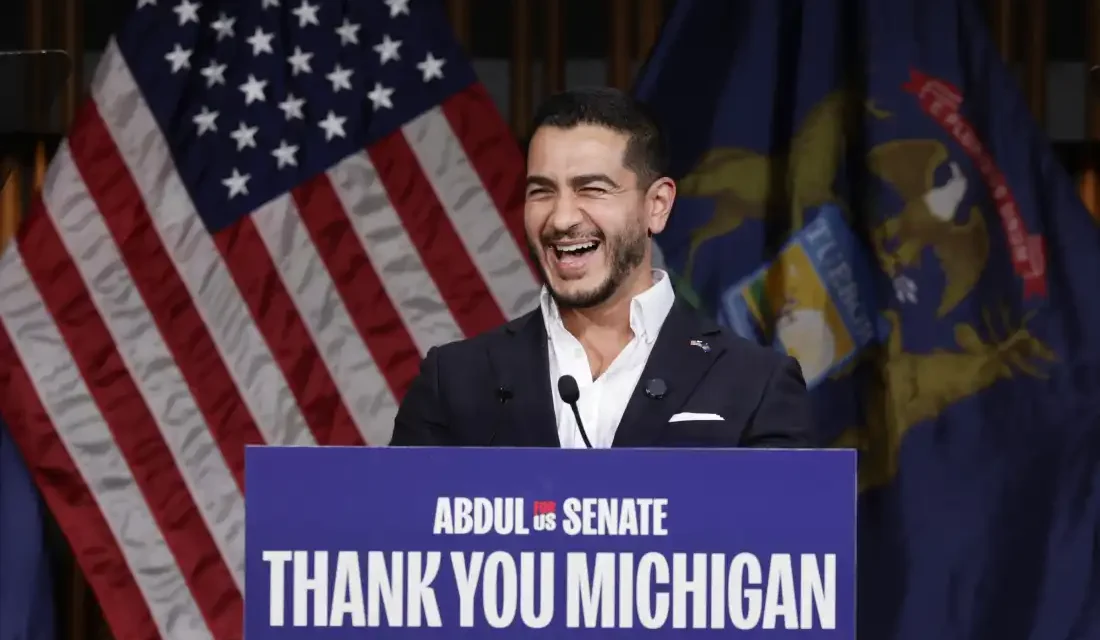
Abdul El-Sayed celebrated a victory on November 4, 2026, as Michigan’s newly elected Democratic US Senator. His campaign slogan was, “Money out of politics, money in your pocket, Medicare for all.” This highlights the central role of healthcare reform in recent elections, with many candidates advocating for universal government-funded health coverage.
Newly elected Democratic senators from Michigan, Maine, Iowa, and Texas are pressing for healthcare reform. They aim to address affordability issues that voters frequently mentioned during campaigns. Despite broad support for accessible healthcare, past efforts have seen divisions within the Democratic Party over approaches to reform.
The Clinton administration faced similar challenges in 1993-94, with debates over comprehensive changes versus incremental reforms such as a public option. The Affordable Care Act of 2010 narrowly passed amidst these disputes. A new chapter in this ongoing effort for reform is unfolding.
Many Americans find “Medicare for All” appealing in theory, but its details remain misunderstood. Nicholas Bagley, a University of Michigan law professor, stated that public perceptions view it as beneficial health care without understanding its complexities.
Mollyann Brodie from KFF highlighted how public support varies based on how “Medicare for All” is presented. When framed as a guaranteed right eliminating premiums, it garners significant approval. However, mentioning tax increases or threats to Medicare reduces support drastically.
Democrats must also address the current stability of Medicare. The program faces financial challenges, with projections pointing to insolvency by 2033 for its trust fund. Beneficiaries currently incur significant out-of-pocket expenses without coverage for dental, vision, hearing, and long-term care, which would necessitate substantial funding to resolve.
The Democratic majorities in Congress face pressing decisions over reversing Trump-era spending cuts to Medicaid and Affordable Care Act plans versus cost reduction and expanding coverage. Voter expectations for action on healthcare costs are high.
House Speaker Nominee Rep. Hakeem Jeffries has shown openness to expanding government-funded healthcare. Obstacles include expected resistance from Trump, who has criticized “Medicare for All” as a “socialist takeover,” and the possibility of a presidential veto.
Large majorities also bring diverse viewpoints. Upcoming Congress will have progressives advocating for significant reforms like Medicare for All and more moderate views from members in swing districts previously held by Republicans.
Public sentiment marks a shift compared to past debates. KFF’s recent polling shows the highest support for Medicare for All, even if it eliminates private insurance, indicating dissatisfaction with current coverage options. Previous resistance highlighted by industry-sponsored ads during past reforms is waning.
The anticipation for change suggests that the upcoming debate provides a unique opportunity, with a public increasingly ready for a significant policy shift. However, industry resistance could influence public perception and debate outcomes.
HealthBent provides policy insights and politics analysis from KFF Health News. Julie Rovner, with extensive coverage experience in healthcare, leads this effort. KFF Health News delivers comprehensive health issue journalism and is part of the independent policy research and journalism at KFF.
 President Trump’s Assurance on Nvidia CEO Jensen Huang’s Legal Safety
 Former Oath Keepers Leader Stewart Rhodes Breaks from Trump
 Challenges in Combating the Ebola Outbreak in the DRC
 Struggles and Perseverance: A Wife’s Experience with Her Husband’s Epilepsy
 Economic Shifts: The Growing Divide in U.S. Household Spending
 Understanding Sexual Enhancement Supplements: Facts and Risks