
After winning Congress with a focus on affordability, Democrats face the challenge of delivering on their promises while President Donald Trump remains in office. Their agenda includes prioritizing various issues, which could lead to potential divisions within the party.
Democratic Leaders Outline Legislative Goals
House Democratic Leader Hakeem Jeffries has emphasized the need to address several key issues. These include ending military involvement in Iran, stopping Trump’s tariffs, reversing Medicaid and Supplemental Nutrition Assistance Program (SNAP) cuts, and extending Affordable Care Act tax credits. Similarly, Senate Democratic Leader Chuck Schumer has discussed these priorities with colleagues, focusing on their plan for the first 100 days of the next Congress.
However, Schumer’s position might be challenged by Sen. Chris Van Hollen, who advocates using the expiration of government funding as a strategic opportunity to push for ending Trump’s involvement in Iran. Van Hollen’s stance recalls the Democrats’ previous shutdown tactic in 2025, aimed at extending health care subsidies.
Appropriators and Legislative Challenges
Democratic appropriators, responsible for drafting funding bills, are yet to align fully with the shutdown strategy. This approach risks overshadowing the broader affordability agenda. Despite potential disagreements, Democrats are determined to reverse SNAP and Medicaid cuts and roll back high-end tax cuts introduced by Republicans.
Discussions among House and Senate Democrats indicate consensus on undoing Trump’s tariffs, which have increased consumer prices. Additionally, passing an ethics bill to ban stock trading for government officials is a shared goal. Achieving these legislative changes likely requires cooperation from Trump, whose willingness to negotiate remains uncertain.
Prospects for Bipartisan Collaborations
Some Democrats aspire to work with Trump on progressive ideas, hoping to secure political victories. Sen.-elect James Talarico from Texas suggested making Trump’s final years in office productive, while Sen.-elect Abdul El-Sayed proposed a Medicare For All initiative branded as “TrumpCare.”
Sen. Michael Bennet expressed optimism about potential cooperation on immigration reform, including a pathway to citizenship for undocumented immigrants brought to the U.S. as children. Despite past setbacks, such collaborations offer possibilities for bipartisan agreements.
Looking Ahead: Balancing Pragmatism and Political Messaging
While attempts at bipartisan legislation may yield some results, Democrats also focus on messaging. Passing bills, even if vetoed by Trump, allows them to signal their priorities and prepare for future legislative efforts.
Among these priorities is raising the federal minimum wage, an issue on which consensus has yet to be reached within the party. Democratic leaders, like Jeffries, indicate ongoing discussions to determine specific legislative goals.
 Hunter College Cultural Arts Night Cancellation Sparks Controversy
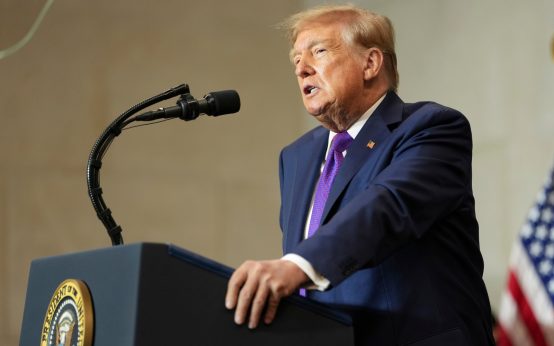 Former Trump Strategist Urges Resignation for GOP Success
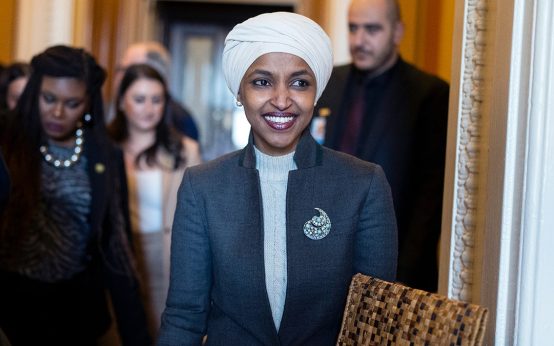 Federal Documents on Ilhan Omar Investigation Released
 Senator-elect El-Sayed’s Remarks on Working with Ted Cruz
 Challenges Faced by Military Families and the President’s Military Spouse Commission
 Russia’s Nuclear Strike Warning Amid Tensions with Ukraine and NATO