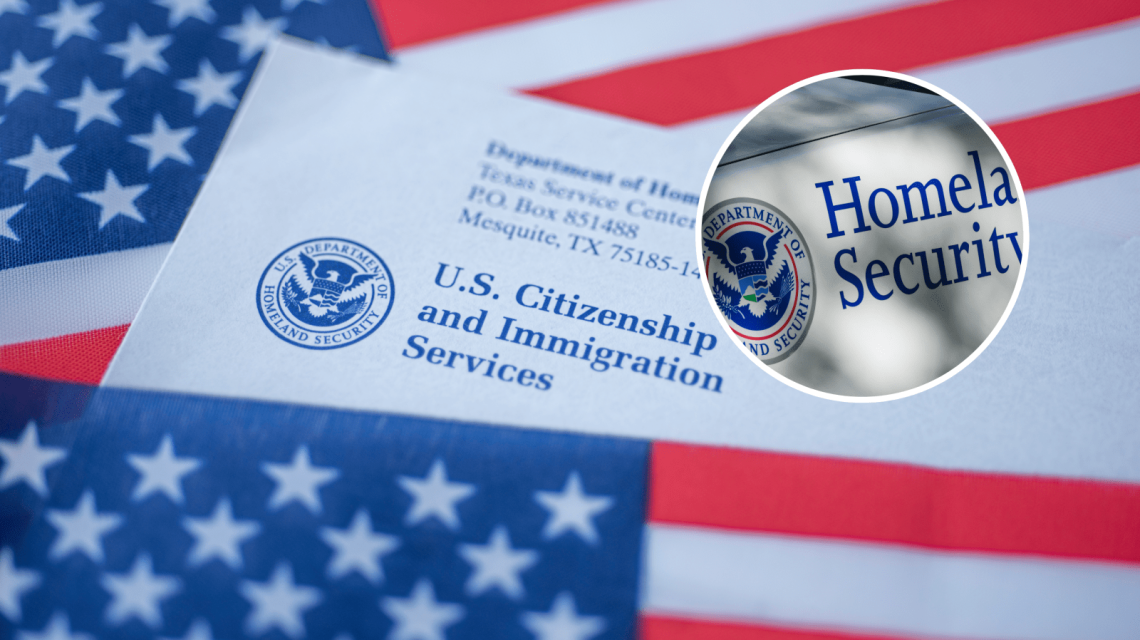
DHS Clarifies Immigration Policy
The Department of Homeland Security (DHS) has clarified a controversial immigration policy issued last week. Most green card applicants will not need to leave the United States while their cases are processed. This announcement addresses the confusion arising from a previous U.S. Citizenship and Immigration Services (USCIS) news release.
Case-by-Case Evaluations
According to DHS officials, the guidance was not intended as a broad policy change. Instead, they now emphasize that decisions will be made case by case by immigration officers. A DHS spokesperson explained that this was a reminder of discretionary authority, a practice that has always existed.
Mixed Reactions and Concerns
The clarification follows a wave of confusion and concern from applicants, attorneys, and business groups about disruptions to immigration processes. While most applicants will apply from within the U.S., some may still have to leave, depending on individual cases. The discretionary approach is creating uncertainty, as decisions rest on subjective officer evaluations.
Uncertainty in Application Process
Attorneys report applicants being asked new questions during interviews. This uncertainty affects how lawyers can advise clients and navigate potential legal challenges. Green card distribution heavily affects certain nationalities, so any changes could have significant impacts globally.
DHS described the announcement as a clarification rather than a major policy shift.
Implications of the Policy Clarification
For decades, immigrants have relied on “adjustment of status,” allowing them to apply for permanent residency while remaining in the U.S. Family-based applicants, who constitute a large portion of green card seekers, often utilize this process from within the country.
The DHS now emphasizes that officers have long held the authority to require applicants to complete processes abroad on a case-by-case basis. However, no firm criteria have been outlined regarding when applicants might be required to leave, leaving decisions open to individual discretion.
Potential for Increased Scrutiny
Officials hinted that applicants with visa overstays or those from countries with high public assistance use might face more scrutiny. However, clear criteria remain undefined.
Response and Future Actions
Some critics say the administration is working to address backlash from last week’s announcement. Benjamin Johnson from the American Immigration Lawyers Association noted that the current uncertainty complicates potential legal challenges.
Business groups have also raised concerns about the potential disruption for employers. Neil Bradley from the U.S. Chamber of Commerce asserted the need for a more robust legal immigration system to prevent such disruptions.
 Voter Fraud and Border Protection Initiatives Detailed
  Former Roanoke Swimmer Criticizes Virginia’s Policy Shift on Transgender Athletes
  Rep. Young Kim Targets Congressional Self-Enrichment with New Resolution
  Trump’s Influence on 2020 Election Claims Continues to Affect GOP
  Republican Strategy in Upcoming Elections Amid Democratic Socialist Presence
  Trump’s Strategy to Address Prescription Drug Pricing