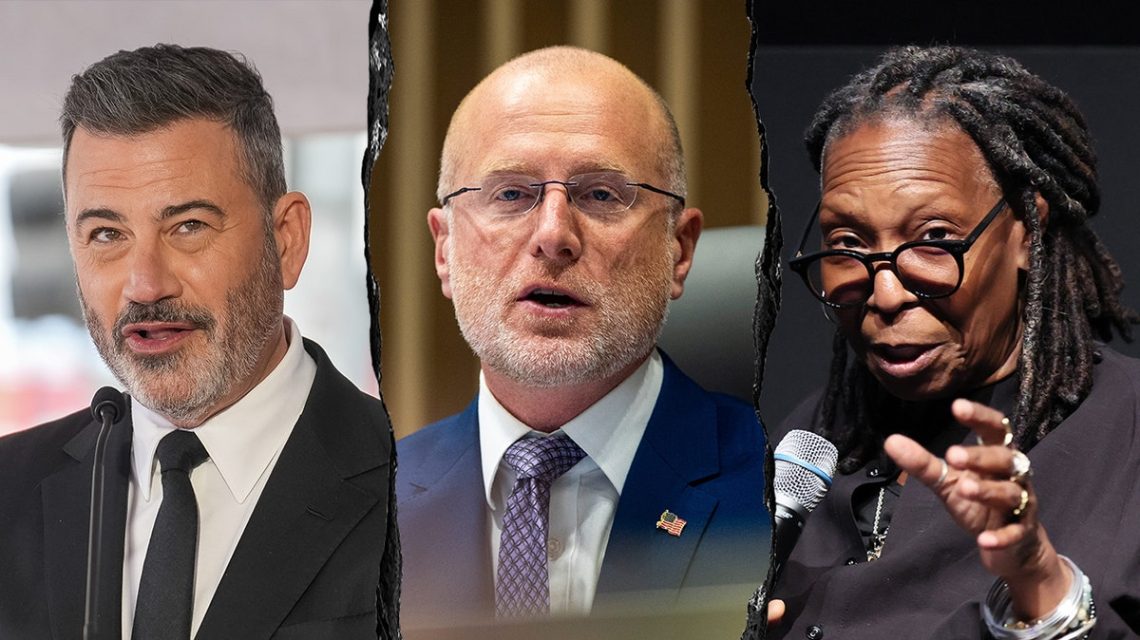
Disney filed a lawsuit against the Federal Communications Commission (FCC) on Tuesday. The lawsuit aims to block early renewal of ABC’s broadcast licenses, claiming First Amendment violations.
FCC Chairman Brendan Carr pushed for early renewal of licenses for eight ABC-owned stations in April. These licenses were originally due for renewal between 2028 and 2031. This move is tied to ongoing tensions between the Trump administration and ABC’s Jimmy Kimmel.
That campaign began in this Administration’s earliest days and has only intensified since. Over time, those attacks have escalated into express demands that ABC be stripped of its broadcast licenses because of its speech.
Disney’s lawsuit argues that the Trump administration retaliated against ABC due to dissatisfaction with its broadcasts. The eight stations must show they operate in the public interest amid scrutiny of Disney’s diversity, equity, and inclusion practices.
The lawsuit states that the administration’s actions are retaliatory and aimed at stifling free speech. ABC plans to seek a temporary restraining order and preliminary injunction to halt the FCC’s actions.
Disney vs. FCC on Free Speech
An excerpt from the motion argues that the First Amendment blocks any administration from punishing media for content choices. Disney claims the FCC’s actions reflect an assault on free speech.
The FCC has also investigated ABC’s show, “The View,” and criticized the network for not broadcasting Trump’s primetime address. Despite objections, Disney has produced over 13,000 pages of documents for the FCC’s inquiries.
Disney contends the FCC uses regulatory power to retaliate, causing disruption and uncertainty for ABC. It argues the agency seeks to punish ABC through prolonged litigation.
The Disney-owned stations involved include KFSN-TV in Fresno, KABC-TV in Los Angeles, KGO-TV in San Francisco, WLS-TV in Chicago, WABC-TV in New York, WTVD in Durham, WPVI-TV in Philadelphia, and KTRK-TV in Houston.
An FCC spokesperson stated that broadcasters must operate in the public interest, noting that networks cannot engage in discrimination or distort the news. The spokesperson asserted the FCC’s commitment to enforcing these legal requirements.
The story is ongoing. Updates will follow as new information emerges.
 Trump Challenges Allegations in Alaska Senate Primary Race
  House Bill Aims to Help First-Time Homebuyers with Student Loan Debt
  Trump’s Scaling Back of Military Drills with South Korea Sparks Debate
  Trump Threatens Actions Amid Middle East Tensions
  The Establishment of Trumpism in American Politics
  Rethinking Immigration Policies for the Future