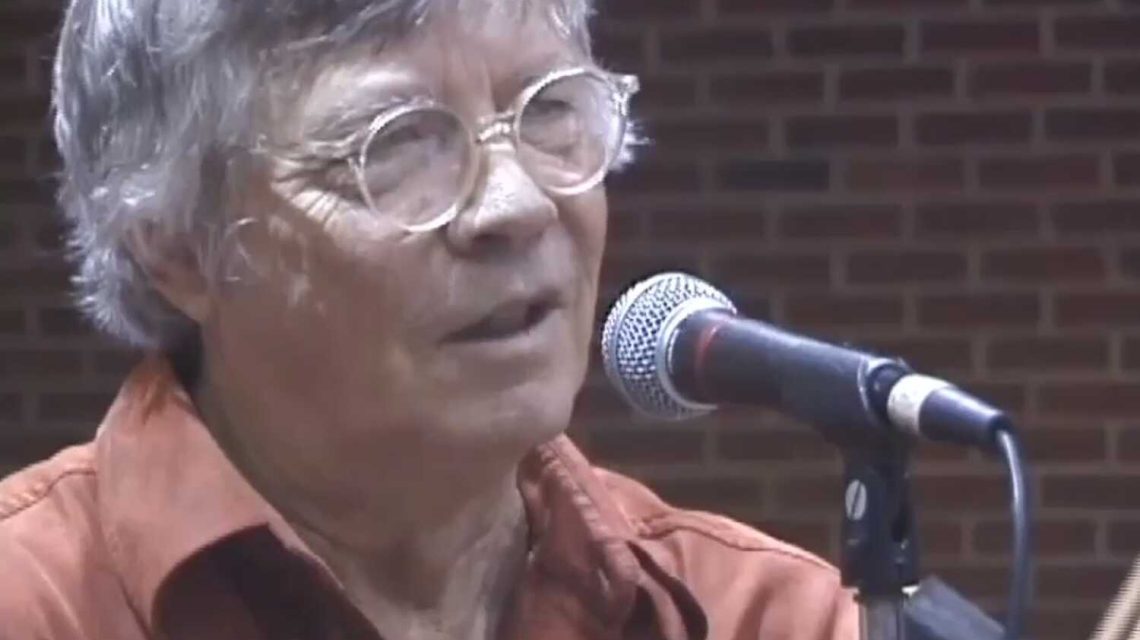
Dudley Laufman, a charismatic figure in the realm of traditional New England folk dancing, passed away on July 13 at the age of 95. For decades, he captivated audiences with his revival of folk dance, attracting both seasoned dancers and newer fans to lively gatherings across the region.
Laufman, a farmer, poet, and musician, gained prominence in the 1960s and ’70s. He was celebrated for his role in breathing life back into contra dancing, a form akin to square dancing where partners face each other on the dance floor. As a caller, Laufman guided dancers with his lively instructions, accompanied by bands playing instruments like fiddles and accordions.
Contra dancing, with its roots tracing back to Europe, was introduced to the United States in the late 18th century. It initially flourished in farming communities. However, by the 1950s, when Laufman began his journey, it had almost vanished.
Laufman infused contra dancing with a relaxed and inclusive spirit, resonating with the counterculture movements of the time. Known for his robust build from years of farm work and distinctive appearance with long hair and woolen sweaters, he evoked a Romantic presence reminiscent of the Scottish poet Robert Burns.
His major breakthrough occurred at the Newport Folk Festival in 1965. That event was notable for Bob Dylan’s controversial electric performance. Laufman and his group’s traditional yet fresh dance captivated an audience of 16,000 and sparked renewed interest in contra dancing.
 Navy Veteran Generald Wilson Reflects on Emotional National Anthem Performance
 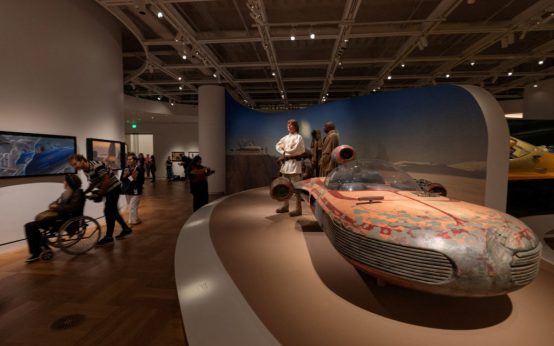 Lucas Museum of Narrative Art: A New Cultural Landmark
 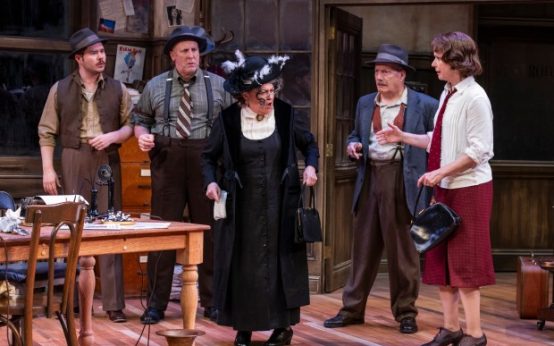 Northlight Theatre’s ‘The Front Page’: A Satirical Nod to Chicago’s Journalistic Past
  The Value of Unsupervised Play in Child Development
  Why the Creative Class and Global City Concepts Lost Momentum
 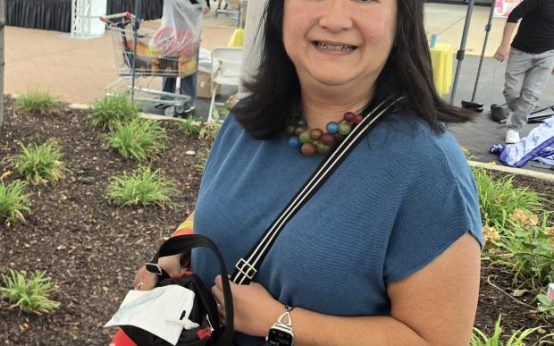 Aurora’s Moon Festival Showcases Cultural Diversity and Community Engagement