A Dutch review board determined that a doctor acted appropriately when euthanizing a 1-year-old child with severe disabilities. This decision has sparked debate about who should make end-of-life decisions for children unable to speak for themselves. The child passed away in late 2025, and the disclosure came from Dutch Health Minister Sophie Hermans to parliament in June. This marks the first known case under expanded rules in 2024 in the Netherlands, which include children experiencing unbearable and untreatable suffering.
Understanding Dutch Euthanasia Regulations
In the Netherlands, all cases involving abortions after 24 weeks and life termination for children up to age 12 undergo mandatory review. A committee, consisting of an ethicist, legal expert, and medical specialist, evaluates whether the physician adhered to standards and shares findings with the doctor and law enforcement.
Global Euthanasia Laws
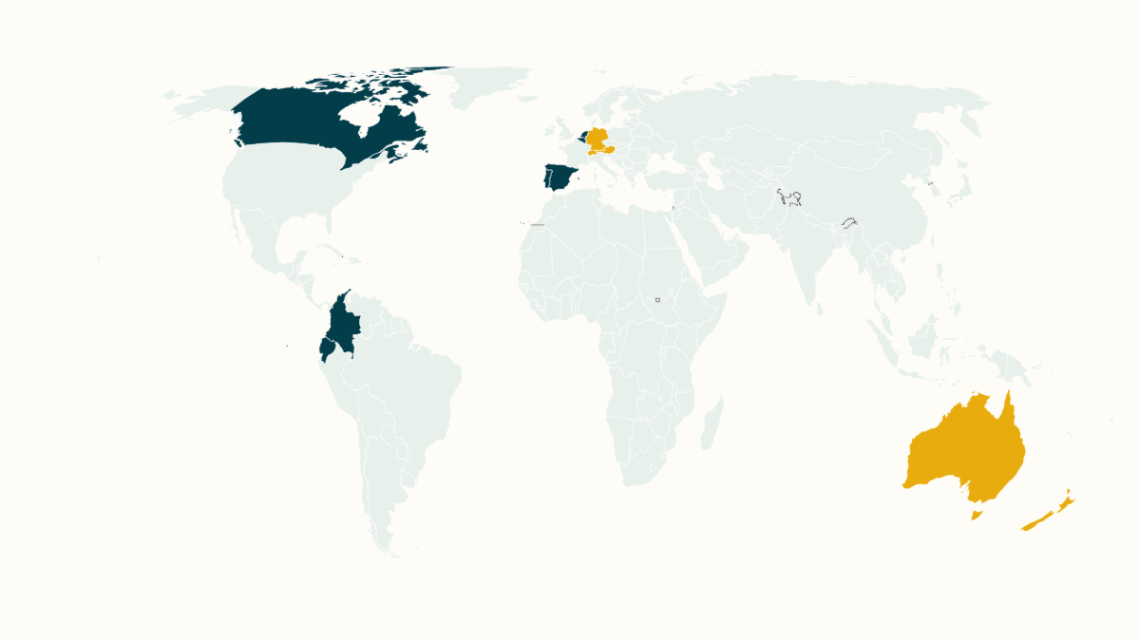
While the Netherlands has broad assisted-dying laws, other countries like Belgium, Spain, Canada, Colombia, and Ecuador also allow euthanasia or assisted dying under specific conditions.
Details on the Child’s Condition
The child’s identity remains private, yet the report highlights diagnoses of severe epilepsy, brain damage, visual impairment, and cerebral palsy. Born prematurely at 26 weeks and 3 days abroad, the child’s communication capabilities were nonexistent. Extensive discussions took place with the parents about diagnosis, prognosis, and treatment options. As the child’s clinical state worsened, the parents requested life termination. According to the report, the doctor extensively discussed the matter with the parents, who remained consistent in their decision.
The medical team administered sedation using midazolam and morphine, followed by coma-inducing substances, resulting in the child’s deep sedation and subsequent death.
Reasons Behind the Approval of Euthanasia
The treating doctor expressed hope that the ruling would offer options for other families in similar situations. He mentioned the vulnerability related to his unprecedented action. He referred to allowing life termination as “a kind of emancipation of the child.”
Some doctors disagreed, arguing that the child wasn’t constantly suffering and additional medical options were available. Cardinal Wim Eijk, a former physician and the Dutch bishops’ conference chair, criticized the decision, emphasizing the importance of adequate palliative care.
Possibility of Similar Cases in the U.S.
Euthanasia remains illegal in the United States. Physician-assisted dying is restricted to specific competent adults in a few states. Thaddeus Mason Pope, a law professor at Mitchell Hamline School of Law, suggested that broader acceptance of child euthanasia might become inevitable as more nations consider it.
Though the U.S. permits withdrawal of life-sustaining therapy, it is unlikely the American system would adopt the Netherlands’ standards. Most jurisdictions permitting medical aid in dying require choices made by the individuals themselves. The U.S. has not moved towards allowing minors or representatives to decide on euthanasia for incapacitated individuals.
If someone considers suicide, contact the 988 Suicide and Crisis Lifeline by dialing 988, send a text “988” to the Crisis Text Line at 741741, or visit 988lifeline.org.
 Heroism Averts Disaster on FlyDubai Flight
  Illegal Immigrant Crimes Stir Policy Debate in Fairfax County
  Emergency Landing of Flydubai Plane Highlights Cockpit Security
  Passengers Prevent Mid-Air Crisis Amid Pilot Stabbing Incident
  Sensitive Discussions During Trump’s National Archives Visit with Xi Jinping
  Escalating Tensions Between Russia and the UK