Post-Workout Recovery: A Critical Component
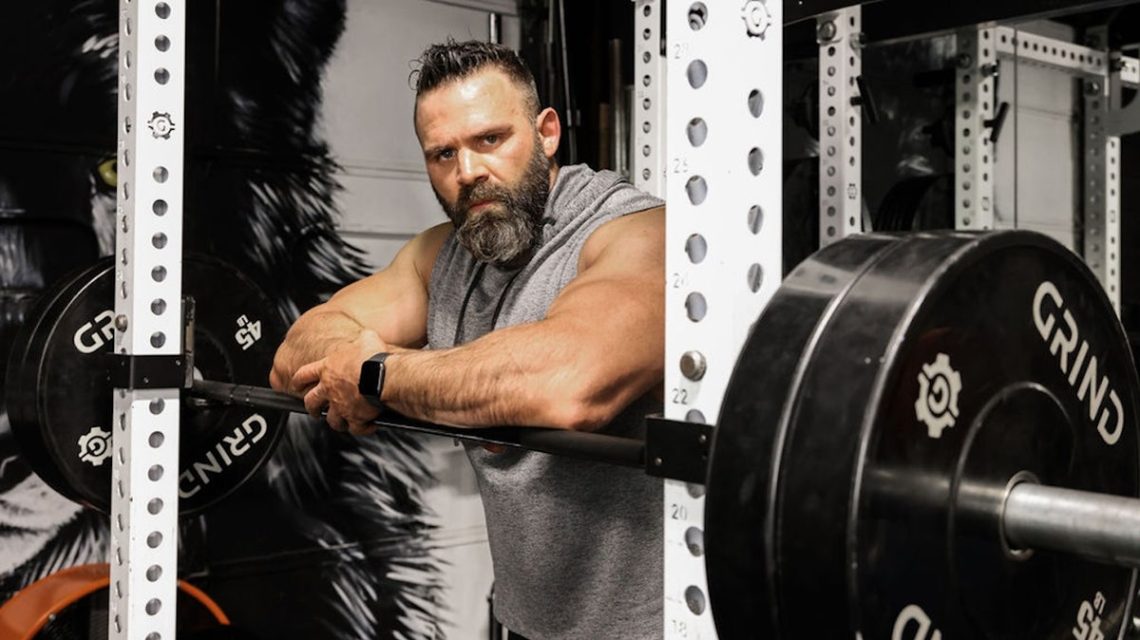
For adults, particularly those between 35 and 55 years old, the time following exercise is crucial for muscle repair and strength preservation. Muscles become less responsive to protein and other signals as we age, making recovery an essential part of the workout routine. Jacob Zemer, a fitness coach based in New York, emphasizes recovery to help his clients attain their fitness goals.
Focus on Quality Sleep
Achieving seven to nine hours of quality sleep each night is fundamental for effective recovery. To enhance sleep quality, Zemer suggests the following:
- Avoid eating a few hours before bedtime to reduce resting heart rate.
- Maintain a consistent bedtime schedule.
- Refrain from using screens in the hours leading up to sleep.
- Steer clear of stressful discussions close to bedtime.
- Consider taking a hot shower, which raises the body’s core temperature before it drops, promoting sleep.
- Set bedroom temperature between 60 and 65 degrees.
- Ensure your sleeping environment is as dark as possible.
Regular Health Monitoring
Routine health checkups and blood tests are important in identifying issues that may affect recovery. Understanding hormonal changes and bodily functions is vital as we age. The U.S. Preventive Services Task Force recommends screening for high blood pressure, prediabetes/type 2 diabetes, and osteoporosis, tailored to individual needs.
Utilizing Warmth for Muscle Recovery
Heat exposure post-exercise can facilitate muscle recovery by widening blood vessels and enhancing circulation. This improves nutrient delivery to muscles in need of repair. A 2025 review of studies highlights the benefits of heat therapy on muscle function recovery. If a sauna isn’t accessible, a hot shower post-workout may induce heat proteins that aid recovery and improve gym ‘gains.’
Incorporating Stretching
Strength training can significantly impact muscles, making stretching essential for restoring mobility. Stretching lengthens shortened muscles after a workout and helps maintain the body’s full range of motion.
Nutrition and Hydration
Proper protein intake after exercise aids muscle repair and rebuilding. The International Society of Sports Nutrition suggests 20 to 40 grams of high-quality protein post-training. Daily protein requirements can range from 1.4 to 2 grams per kilogram of body weight for active adults. Hydration is equally critical. Insufficient water intake can result in subpar workout sessions.
Allowing Time to De-Stress
Exercise stresses the body even while providing health benefits, so recovery is key. Cortisol levels rise with physical activity, making rest and nourishment essential for effective recovery. Overtraining can hinder recovery, and gradual adaptation to fitness routines should be prioritized.
Understanding Exercise-Induced Soreness
Normal soreness post-exercise typically dissipates quickly, reflecting healthy adaptation. Extended soreness may indicate overtraining, requiring adjustments to the workout load. If discomfort persists, reducing training intensity by 30% can improve recovery. Recognizing pain temporarily dulled by endorphins can prevent future injury.
Consistent training requires mindful exercise and effective recovery techniques. If soreness or injuries occur, recalibrating workouts can restore balance. Jacob Zemer underscores the importance of adjusting routines to optimize recovery while maintaining fitness objectives.
Melissa Rudy serves as the senior health editor at Fox News Digital, welcoming story tips at [email protected].
 Observing the Phenomenon of Kasama: A Chicago Attraction
  Understanding the Journey of FTD and ALS Through Personal Experience
  A Woman’s Battle with Rare Medical Conditions: Advocating for Awareness
  Woman Captures Unexpected Sturgeon Encounter in Florida River
  October Social Security Payment Schedule and Updates
  Understanding Mindfulness-Based Stress Reduction: Insights from Jon Kabat-Zinn