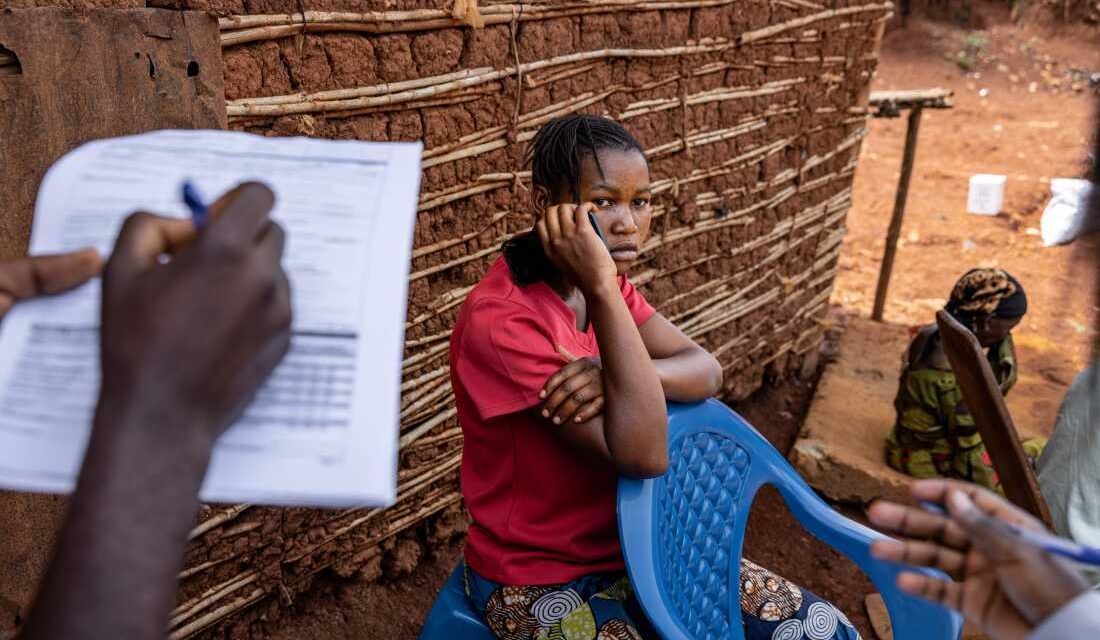
Health investigators in the Democratic Republic of Congo are actively engaged in contact tracing to control the Ebola outbreak. The disease, spreading through bodily fluids, poses a significant challenge as there is no approved vaccine. Identifying and monitoring those who may have been exposed are crucial steps to prevent further spread.
Armand Sprecher, from Doctors Without Borders, emphasizes the importance of tracing connections between infected individuals and others. This includes identifying caregivers, those handling laundry, or attendees of burials. Preventing the virus from spreading further and ensuring those exposed receive timely care can contain the outbreak.
Currently, containment efforts face hurdles. Over two months into the outbreak, more than 1,000 have died, and cases surpass 2,400. New cases emerging outside known contacts raise alarms. Nahid Bhadelia, an infectious disease expert, notes that contact tracing is falling behind, suggesting more undetected cases than anticipated.
Challenges stem from the outbreak’s location, marked by transient workers and conflict, complicating contact identification. The World Health Organization is training 21,000 community workers to enhance tracing efforts. Yet, entire transmission chains likely remain undetected until severely ill or deceased individuals become known.
Bhadelia highlights the risk of individuals presenting late for care, impacting survival rates. The WHO reports two-thirds of Ebola-related deaths occur outside healthcare systems. Fear and stigma drive people to seek alternative treatments, avoiding official clinics. Boghuma Titanji from Emory University details the stigma surrounding Ebola and mistrust in medical intervention.
To improve response efficacy, trust must be built with affected communities, though it’s challenging. Bhadelia cites potential trust-building through clinical trials for treatments and drugs, offering those exposed a chance at prevention and care. Though access is limited, the hope is to attract more people to clinics with better care prospects.
Bhadelia believes improving care accessibility can reduce the outbreak’s toll and help regain control. Ultimately, the goal is to encourage more individuals to engage with healthcare providers and contact tracers, essential steps for halting the spread of Ebola.
 Understanding School Shooting Preparedness Drills
  Addressing the Complex Issue of Suicide and Its Prevention
  Quality of Sleep Linked to Risk Reduction in Various Diseases
  Exploring Diets and Their Potential to Reduce Alzheimer’s Risk
  Understanding School Safety Drills: Lockdowns vs. Active Shooter Simulations
  Dengue Fever Death in Florida and the Rising Cases Across the U.S.