
School shooting preparedness drills have become an uncomfortable, yet routine aspect of returning to school each year. Following the tragic mass shooting at Columbine High School in Jefferson County, Colorado, in 1999, schools have been required to implement various safety drills. These drills are mandatory in most educational institutions and aim to prepare students and staff for potential threats.
Distinguishing Lockdowns from Active Shooter Drills
Despite being grouped together by many, lockdowns and active shooter simulations are fundamentally different. Lockdowns typically involve securing all access points in a school to protect against external threats. Students and staff stay in their current location and await further instructions. This approach prioritizes keeping potential harm outside the school.
In contrast, active shooter simulations focus on mimicking scenarios where an intruder poses a direct threat within the school premises. These drills are designed to train students and staff on responding quickly and effectively to neutralize the threat. The emphasis is on movement and communication to ensure everyone’s safety.
The Importance of Tailored Safety Measures
Implementing these drills requires careful consideration of their psychological impact on students. While their purpose is to ensure preparedness, they must be conducted with sensitivity to avoid undue stress. Schools should adapt drills to suit their specific needs and resources, ensuring that both students and staff feel equipped to handle emergency situations.
As schools continue to refine these practices, collaboration with law enforcement and mental health professionals is essential. Their expertise can enhance the effectiveness of drills while minimizing potential trauma for participants.
 Challenging the ‘Trust the Experts’ Narrative in School Libraries
 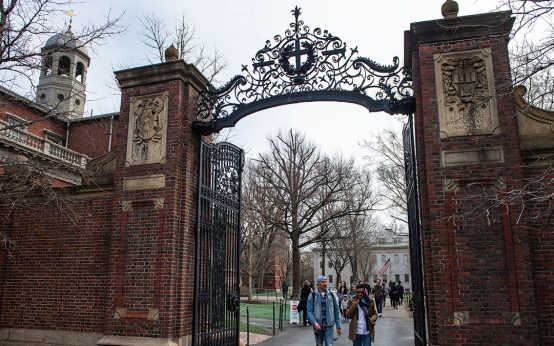 Implications of AI in College Admissions
  Presley Gerber’s Passing Raises Addiction Recovery Concerns
 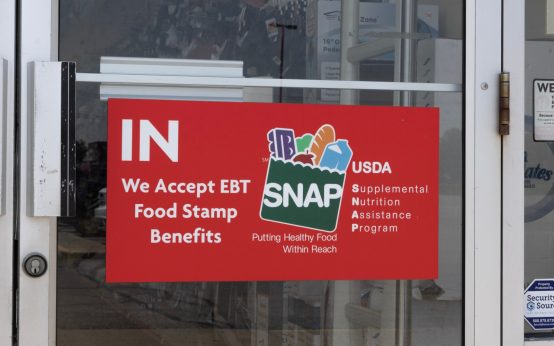 Understanding October SNAP Benefits: Payment Dates and Changes
  Preparing Students for an AI-Shaped Workforce
  Concerns Over Racism and School Funding Inequality Discussed by ‘The View’ Co-Host