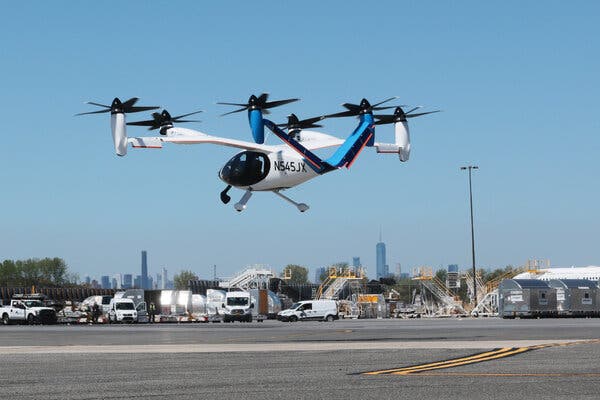
In April, an innovative electric aircraft from Joby Aviation took off from Kennedy International Airport, successfully traversing to Manhattan. This journey, merely a 10-minute flight, provides insight into how such aircraft could potentially operate in urban environments. The flight was part of a federal initiative aimed at accelerating the integration of what are known as air taxis.
Electric aircraft manufacturers and industry specialists believe these air taxis might eventually supplant helicopters and possibly cars for certain trips. However, concerns persist among some experts who argue that the cost of air taxis could exceed that of helicopters, with practical applications being more limited. Despite industry promises of commercial operations, no company has yet received federal clearance to consistently transport passengers or cargo within the United States. Laurie Garrow, an aviation-focused engineering professor at Georgia Institute of Technology, remarked, “It’s not going to be like we look out our window and there’s flying cars everywhere.” She predicts that these aircraft will begin serving niche markets over the next two to five years.
The Trump administration initiated a program last year to expedite the era of electric aircraft by fostering collaboration among states, cities, and companies for passenger, cargo, and medical services. In March, the Transportation Department selected eight initiatives spanning 26 states, including the project facilitating Joby’s demonstration flight in New York.
 Concerns Rise Over AI Development and Geopolitical Implications
  Impact of E.U. Regulations on Google Search
 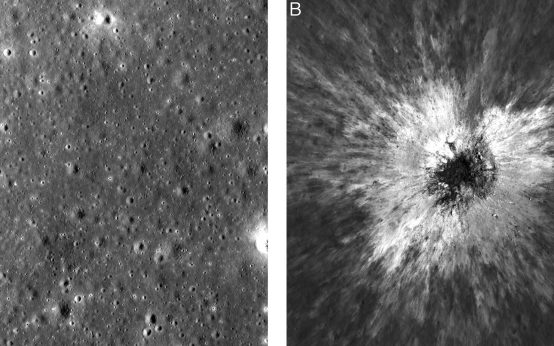 Discovery of Massive Lunar Crater Sheds New Light on Moon’s Surface
  Concerns Rise Over AI Chatbot Safety, Legislation Faces Criticism
  Trump Announces Plan for AI Force and Czar Amid AI Regulation Debate
  US Faces Challenges in AI Competition with China