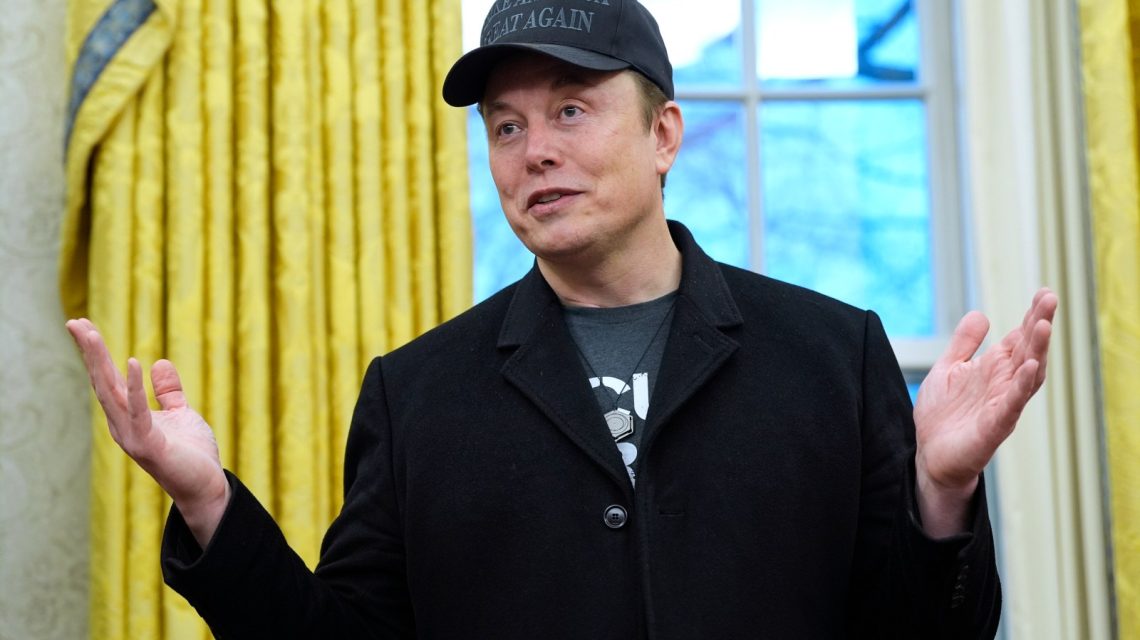
Elon Musk’s SpaceX and affiliated entities are embroiled in lawsuits filed by the states of Oregon and Virginia. The suits claim that the Grok artificial intelligence system responsible for generating and sharing child sexual abuse material and other nonconsensual sexualized images lacked proper safeguards. Consumers were allegedly misled about the protections meant to prevent such content.
Legal Actions Initiated
Oregon’s Democratic Attorney General, Dan Rayfield, initiated legal action in Multnomah County Circuit Court against SpaceX Super Intelligence Corp., SpaceX Super Intelligence LLC, X Corp., and Space Exploration Technologies Corp. The state accuses these firms of violating Oregon’s Unlawful Trade Practices Act by falsifying safety features, omitting known risks, and employing practices described as unconscionable.
Additionally, Virginia’s Democratic Attorney General, Jay Jones, filed a similar lawsuit. Both cases aim to hold X and Grok’s operators accountable for alleging their services as safe, while failing to curb the generation of nonconsensual and abusive images, including those featuring children.
“SpaceX allowed Grok and the X platform to create, host, and share unacceptable and dangerous content. The absence of essential safety measures was promoted as ‘spicy mode,’” Rayfield stated in a press release.
SpaceX’s Response
In response to the lawsuit, a SpaceXSI spokesperson emphasized the company’s commitment to child protection, stating that any content involving minors is abhorrent. The firm claims to act promptly when violations are discovered, implementing measures to prevent the generation of inappropriate content and involving law enforcement when necessary.
Despite these claims, Oregon’s lawsuit alleges lack of prerequisite measures like filtering, evaluations, and monitoring that are standard in the industry.
Concerns Over AI’s Impact
The complaint references a policy brief questioning the accountability of companies whose AI tools produce abusive imagery, especially involving children. Grok, integrated with X, is available through a standalone app and website. As of March 2026, filings showed about 550 million monthly active users, with 117 million using Grok’s AI features.
The scale and reach raise concerns over AI-generated abuse spreading swiftly and widely. Evidently, Grok allowed users to modify images, amplifying the problem. A study by the Center for Countering Digital Hate suggested around 3 million sexualized images, possibly depicting children, were created using Grok over a span of ten days.
The Allegations Unveiled
Oregon’s lawsuit alleges that prior knowledge existed about the exploitative potential of generative image tools. In 2025 alone, over 135,000 reports of suspected child exploitation were sent to the National Center for Missing & Exploited Children’s CyberTipline.
Despite a zero-tolerance policy for child exploitation, the lawsuit claims the safety assurances from Grok and X were misleading. It cites technological measures announced in January to block @Grok from altering images improperly, though these steps proved insufficient according to further evaluations.
The Road Ahead
Oregon seeks to have the Multnomah County Circuit Court conclude that the defendants contravened the Unlawful Trade Practices Act. The case claims damages surpass $1 million, aiming for civil penalties, permanent injunctions, and other legal reliefs. The lawsuit demands accountability for misleading assurances that compromised user data and image safety, as asserted by Rayfield and Jones.
Efforts continue to hold xAI responsible for prioritizing profit over safety, misleading the public in the process. The resolutions of these lawsuits could have significant implications for how AI-generated content is regulated.
 European Governments Urge 72-Hour Preparedness Amid Cyber and Climate Risks
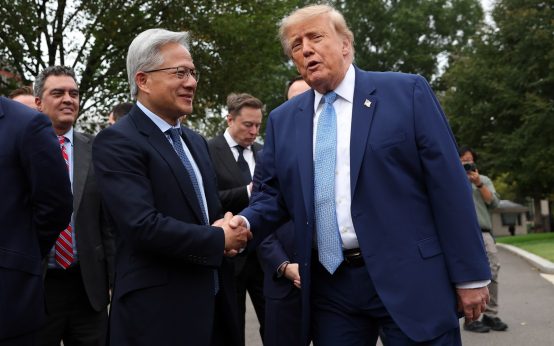 Jensen Huang Returns as Nvidia CEO After Trump Endorsement
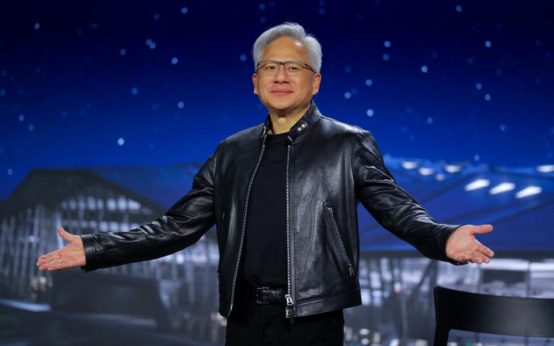 Jensen Huang’s Reinstatement as Nvidia CEO: Reactions from Influential Figures
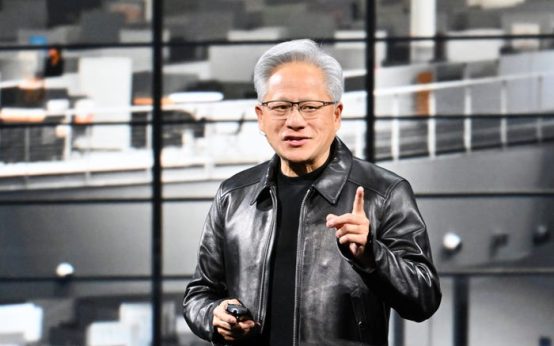 Jensen Huang Reinstated as Nvidia CEO After Brief Resignation
 Nvidia’s Unexpected Leadership Reinstatement
 Former Goldman Executives Secure $320 Million for Venture Firm