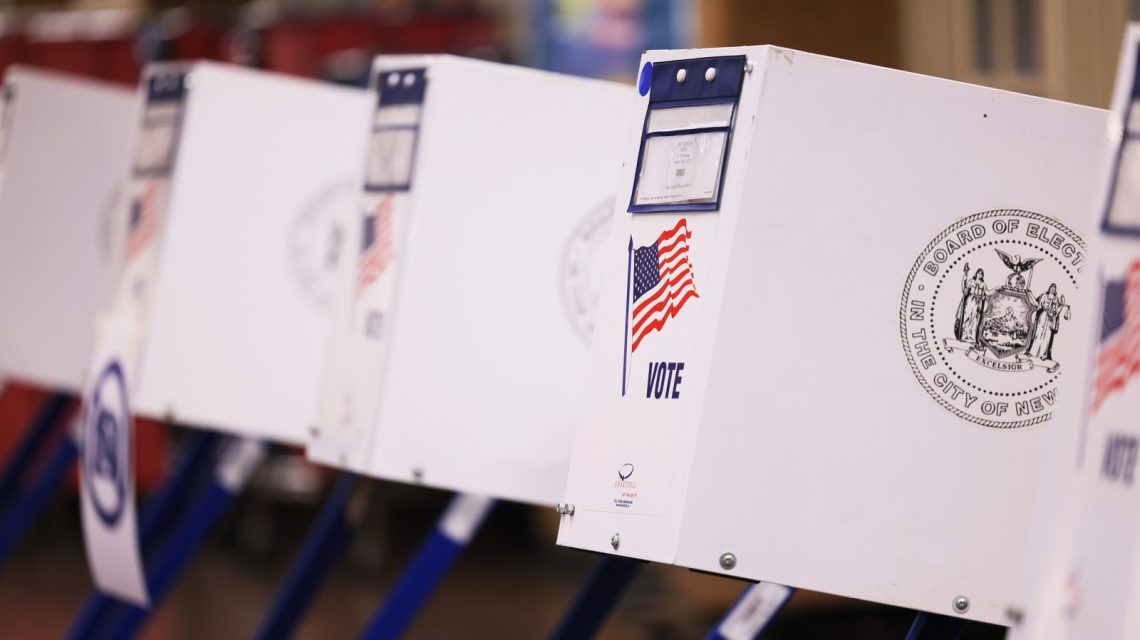
As the United States celebrates its 250th anniversary, evaluating the health of its democracy is crucial. A central question emerges: Do all eligible citizens have an equal voice in elections? Recent legislative efforts suggest new impediments to voting. This issue particularly affects Black Americans, making it urgent to address.
Freedom requires vigilance and proactive efforts to maintain. Anniversaries of this magnitude compel us to reflect on both achievements and shortcomings. Black Americans continue to face significant challenges in the electoral process.
The right to vote for African Americans has followed a winding path. Amendments met resistance with poll taxes and literacy tests. Despite civil rights victories, new barriers arose through precinct closures and restrictive ID laws. Voter roll purges and misleading information further disenfranchised Black voters.
Lately, new threats to democratic processes have evolved. The impacts are felt most by communities that consistently strive to improve the nation. Notably, the Supreme Court’s recent rulings weaken important protections in the Voting Rights Act. Such decisions have encouraged gerrymandering and potential discrimination.
At the same time, the proposed Safeguard American Voter Eligibility (SAVE) Act presents fresh challenges. The bill complicates voter registration by requiring documents like passports and birth certificates. Millions might find registration daunting, particularly Black, Latino, young, low-income, and elderly voters.
Mayors representing these communities recognize the frontline nature of this challenge. Efforts focus on modernizing voting infrastructure, expanding early voting, and ensuring safe polling environments. Collaboration with grassroots groups aims to battle disinformation and emphasize voter rights.
Local efforts need federal reinforcement. Congress plays a critical role in setting standards and providing resources. Restoring the core of the Voting Rights Act is essential to safeguarding against discriminatory practices.
Federal support for election security must be consistent and generous. Local regions cannot counter sophisticated cyber threats or major disinformation on their own. Investments in voting infrastructure equate to national security and public trust.
Legislative initiatives like the SAVE Act must be refused. Instead, reforms should enhance accessibility to voting. Policies should facilitate easy participation for all eligible citizens, with methods such as automatic registration and protections against wrongful removal from voter rolls.
Mayors are committed to safeguarding voting rights in their cities. This responsibility is widespread, involving all government levels, community leaders, and voters. Sustaining democracy requires individual participation in the electoral process. Actions like volunteering as poll workers, disseminating accurate information, and supporting nonpartisan voter initiatives foster trust in the system.
“When citizens see familiar faces at polling places, trust builds, reducing opportunities for misconduct.”
Democracy’s protection is perennial. The upcoming centuries will demand collective diligence. As citizens, learning one’s rights and supporting each other fosters democracy. Voting remains pivotal to shaping future prospects.
Mayors contributing to this discussion include Shawyn Patterson-Howard (Mt. Vernon, NY), Vince R. Williams (Union City, GA), Alix Desulme (North Miami, FL), Steven Reed (Montgomery, AL), Phillip Jones (Newport News, VA), Van R. Johnson, Jr. (Savannah, GA), Kim A. Thomas (Richmond Heights, OH), and Errick Simmons (Greenville, MS).
The African American Mayors Association represents African American mayors across the U.S. The perspectives shared are those of the authors.
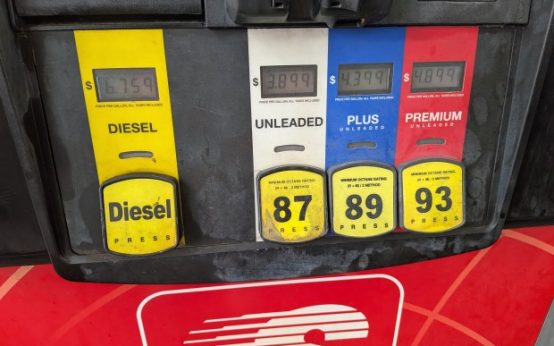 Indiana Extends Gas Tax Holiday Amid Rising Fuel Prices
  Defense Secretary’s Rise in Trump Administration
 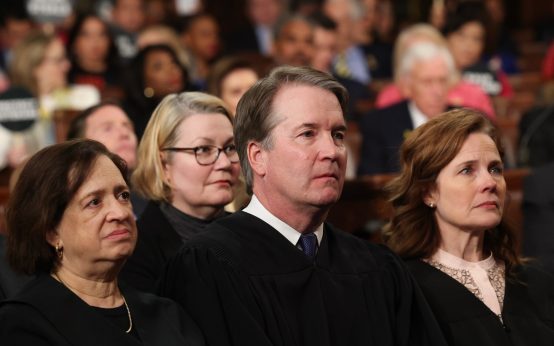 Supreme Court Approval Ratings Hit Historic Lows Among Independents
 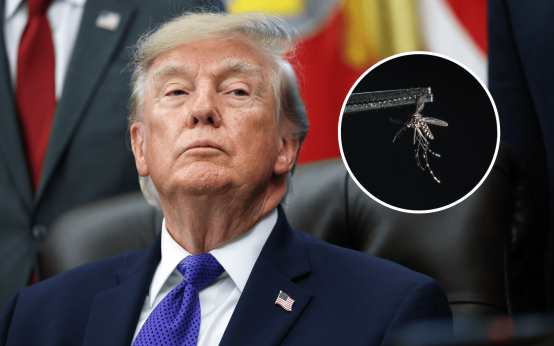 Trump Issues Order to Combat Mosquito and Tick Populations
  LA City Councilmember Challenges English-Only Head Start Proposal
  Michele Tafoya Criticizes Peggy Flanagan Amid Election Tensions