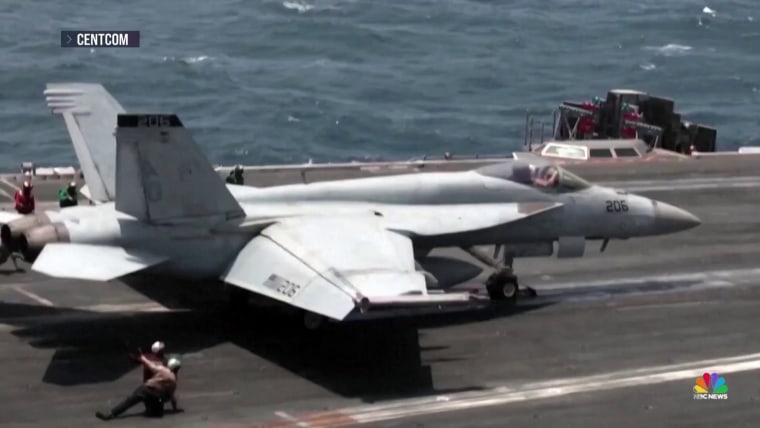
The U.S. military reinstated a blockade on Iranian ports as a response to Tehran’s attacks on ships in the Strait of Hormuz. This move heightens tensions in the Middle East, raising the specter of a broader conflict. The Strait of Hormuz is essential, as a fifth of the world’s oil and natural gas trade passes through this area.
Retaliatory strikes by Iran have intensified. The Health Ministry in Iran reported over 260 injuries from recent bombings. More than 30 people have been killed in skirmishes, according to government spokesperson Fatemeh Mohajerani.
The U.S. initially imposed the blockade in mid-April. It lifted the restriction mid-June following a temporary peace deal. The agreement included a 60-day negotiation period centered on issues such as Iran’s nuclear activities. However, discussions stalled amid escalating conflicts over the strait.
Iran’s Revolutionary Guard warned of halting all Middle Eastern energy exports if the blockade persists. It stated, The export of oil and gas from the region will be either for everyone or for no one.
President Donald Trump reinstated the blockade and proposed a 20% fee for ships passing through the strait before retracting the idea, as Gulf allies raised concerns. The U.S. Central Command confirmed attacks on various targets, reigniting regional hostilities.
The situation prompted missile alerts in Bahrain and Kuwait, with these nations facing ongoing Iranian fire. Jordan reported intercepting three Iranian missiles. U.S. Navy Adm. Brad Cooper stated that Iran launched numerous missiles and drones at Gulf Arab countries.
Trump warned of further U.S. strikes if negotiations do not resume, suggesting potential targets like bridges and power plants. He emphasized that a lack of agreement could lead to significant infrastructure losses in Iran.
The Arabian Sea hosts 19 U.S. warships, including two aircraft carriers and an amphibious assault vessel with over 1,000 Marines. Central Command signals extensive military activity across the Middle East.
Since the war’s onset on February 28, Iran has disrupted passage in the strait through attacks, impacting global trade. U.S. threats to reopen the strait by force highlight the escalating situation.
Iran’s UN ambassador, Amir Saeid Iravani, condemned U.S. actions, referring to America as the aggressor. Iran criticized U.S. interventions targeting its territory.
Trump revealed calls from regional leaders suggesting investment in the U.S. as an alternative to strait fees. He favored investment over charging for strait passage, aligning with U.S. policy to keep the route toll-free.
The U.S. Central Command undertook strikes in Iran, acknowledged by Tehran, though details on casualties remain undisclosed. Iranian media reported further bombings in Bushehr, Ahvaz, and Bandar Abbas.
This raised suspicions of undisclosed retaliation by Gulf nations against Iran. Kuwait announced injuries to its naval personnel from an Iranian assault, further complicating regional dynamics.
The interim agreement allowed toll-free strait passage for 60 days, but this period leaves future arrangements uncertain. Iran argues for managing and charging for strait navigation, a claim contested by the U.S.
Oil prices fluctuated amidst these tensions, with Brent crude briefly exceeding $87 per barrel before stabilizing near $78 following Trump’s policy revision.
Efforts continue by regional mediators to revive diplomatic negotiations between the U.S. and Iran.
 NYC Mayor Mamdani and President Trump Discuss Media Access and Criticism
  Presley Gerber, son of Cindy Crawford, passes away at 27
  Venezuelan Leadership at the United Nations
  Piers Morgan Challenges Earl Spencer’s Claims in Upcoming Memoir
  Ontario Synagogue Shooting During Yom Kippur Leaves One Officer and Shooter Injured
  Pope Leo XIV’s Upcoming Visit to Latin America: An Overview