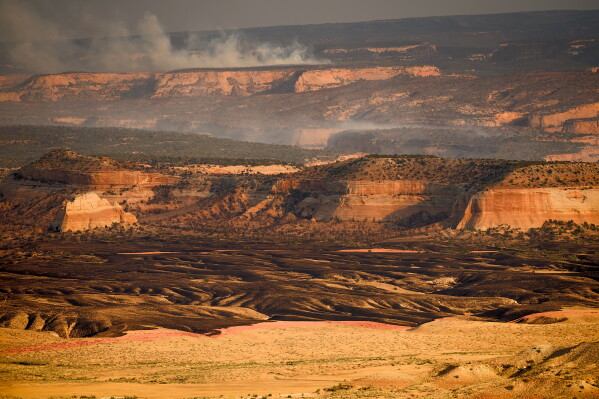
The United States has widened the scope of its military operations against Iran after two weeks of intensified airstrikes. These actions bear a resemblance to the early stages of the ongoing conflict. Despite an interim deal signed in June to cease hostilities, a clash over the control of the Strait of Hormuz has reignited tensions, bringing the region to the brink of a wider conflict.
Initial Waves of U.S. Strikes
In an effort to neutralize Tehran’s potential to target ships in this crucial waterway, the U.S. launched an intense bombing campaign targeting Iran’s navy and coastal defenses. This shift came as U.S. forces began targeting bridges, infrastructure, and even areas closer to Iran’s capital, Tehran. However, this current operation is less fierce compared to the opening salvos in February when hundreds of military targets were struck, and top Iranian figures, including Ayatollah Ali Khamenei, were killed.
Casualties and Disruptions
The Iranian Health Ministry reports that 3,434 lives have been lost since the conflict began, with 55 killed in the latest escalations. Recent U.S. strikes have temporarily disrupted Iran’s transportation and communications networks and damaged key water infrastructure.
Escalation in the Strait of Hormuz
The U.S. military aims to impair Iran’s ability to threaten vessels in the Strait of Hormuz; however, Iran remains defiant, escalating attacks on ships and Gulf countries that host U.S. bases. These attacks resulted in the deaths of four American soldiers and damage to critical installations. Although Israel has not been targeted in this latest escalation, it has yet to join U.S. efforts against Iran.
Focus on Iran’s Coastal and Interior Regions
The conflict saw new developments as the U.S. responded with waves of airstrikes, especially after Iran resumed attacking ships in the Strait of Hormuz. The U.S.’s military strategy involved targeting key Iranian defenses and logistics infrastructure. The initial focus was Iran’s coastal provinces such as Khuzestan, Bushehr, and Hormozgan, affecting the vital port city of Bandar Abbas. U.S. forces utilized precision weaponry and introduced one-way attack sea drones into their operations.
While recent strikes disrupted road links and communication channels, Iran quickly reported repairs or alternative routes to maintain operational effectiveness. Strikes targeted communication towers in Bandar Abbas, and a fishmeal factory was hit on Qeshm Island. Similar operations caused significant power disruptions in Khuzestan province and destroyed important water infrastructure in Jask, impacting 10,000 residents.
Deeper Strikes Within Iran
As the conflict continued, U.S. forces expanded their operational reach to central Iran. Strikes have concentrated on Revolutionary Guard sites thought to be linked to attacks on American bases. Military installations, missile production units, and airports have been among the targets. A notable strike was on a barracks in Iranshahr, leading to significant casualties among Iranian soldiers.
The U.S. military has also focused on locations like the Khojir military complex near Tehran, known for missile production, and struck missile sites on Tehran’s outskirts. Despite the intensified conflict, the Tehran area has experienced fewer attacks compared to the earlier stages of the war.
 Ukraine Deploys Ground Robots in ‘Operation Vivaldi’
  Understanding AI’s Impact Compared to Historical Threats
  State Department Alerts on Middle East Travel Amid Rising Tensions
  Iran’s Attacks on Bahrain: The Impact on Military Families
  United Russia’s Dominant Election Result: Implications for Putin’s Ukraine Policy
  Canada’s Tariff Reduction on Chinese EVs Raises Security Concerns