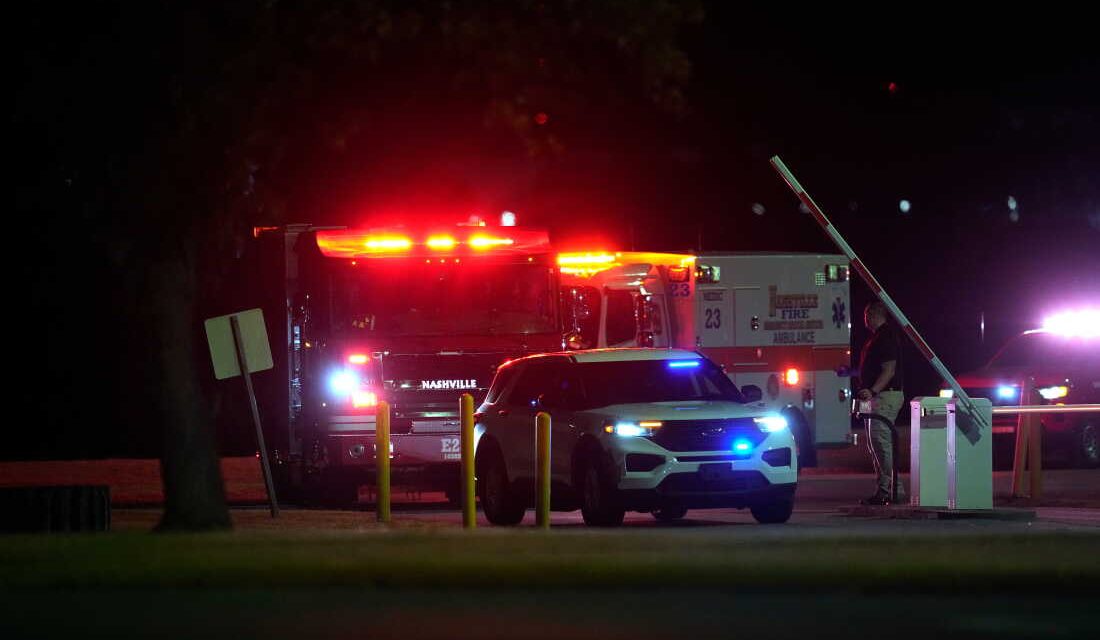
Nashville Halted Execution of Christa Pike After Failed Lethal Injection
On September 30, 2026, emergency vehicles responded to Riverbend Maximum Security Institution after the planned execution of Christa Gail Pike was interrupted. Officials were unable to execute Pike for a 1995 murder despite administering two doses of a lethal drug. At the age of 18, Pike committed the crime, which led to an unprecedented situation in Tennessee. Governor Bill Lee intervened, stopping any further executions for the rest of the year.
Failed First Execution Attempt
Pike, 50, remained alive after the attempted lethal injection. After being transported by ambulance, she was treated in a hospital. At her scheduled execution time of 10 a.m., a stay by an appeals court delayed proceedings. Later, the U.S. Supreme Court reversed this stay. Officials administered two doses of pentobarbital. The Governor announced plans for an independent third-party review to investigate the incident further.
Execution Protocol Issues
The Tennessee Department of Correction asserted its adherence to the state’s execution protocol, which requires a secondary set of drug syringes if the first set fails to result in death. However, it lacks guidance on what to do if the inmate survives afterward. Robin M. Maher from the Death Penalty Information Center remarked that Pike’s situation was unique.
Media Observations and Legal Motions
Media present detailed the process as Pike was seen strapped to a gurney and gave her “last” words, affirming her peace and love. Despite receiving two doses, witnesses reported hearing snoring before media were escorted out. Pike’s attorneys filed motions asserting she was subjected to unnecessary agony, violating her rights.
History of Execution Challenges in Tennessee
Tennessee had another execution issue when Tony Carruthers’ lethal injection was canceled due to difficulties in administering the drug. Pike initially went on trial for her role in the stabbing and beating of 19-year-old Colleen Slemmer, which brought fears during the “satanic panic” era in the 1980s and 1990s.
Legal Appeals and Emotional Impacts
An Appeals Court initially granted a stay to address claims of childhood abuse. The Attorney General appealed, claiming the delay affected Slemmer’s family and rewarded legal tactics. Pike’s supporters cited her mental health and age during the crime, pressing her case for a review.
Debate Over the Death Penalty for Young Offenders
Pike’s impending execution reignited discussions on capital punishment for juveniles. Diagnosed with bipolar disorder, Pike indicated her intention was to fight Slemmer, leading to a tragic escalation. Pike’s case stands as an outlier, unlike other 18-year-olds whose death sentences were lifted.
Victim’s Family Perspective
Slemmer’s family voiced their anticipation of closure, expressing regret after the sudden halt. May Martinez recalled her daughter’s suffering, emphasizing years of waiting for justice.
Historical Context of Executions
Only 18 women have been executed in the U.S. since the reinstatement of the death penalty in 1976, Pike’s slated execution added to the 30 executions expected this year. In Tennessee, a switch to single-drug pentobarbital followed earlier complications in lethal injection procedures.