
The Mediterranean Sea, once a cradle of ancient civilizations, is undergoing a transformative change. Scientists are alarmed by the effects of climate change, primarily fueled by the burning of fossil fuels, causing the sea to become increasingly warm. This shift has introduced numerous invasive fish species, devastating native populations and threatening the livelihood of coastal communities.
A Lost Legacy
Ernesto Azzuro, a marine biologist from Italy’s National Research Council, emphasizes the permanence of these changes. The warmth trapped in the Mediterranean’s enclosed basin prevents heat from dissipating, creating ideal conditions for new species. As temperatures rise, so do the challenges faced by marine life, particularly in the eastern Mediterranean.
Impact of Invasive Species
Invasive species such as the spotted puffer fish and lionfish have exploited the warming waters to expand their territories towards France and Spain. According to the U.N. General Fisheries Commission for the Mediterranean, their numbers grew rapidly after the 2000s. Cyprus was among the first affected regions, witnessing the decline of native species like the red mullet.
These invasives have caused drastic reductions in native populations. An estimated 93% of mollusks in the eastern Mediterranean shallows have vanished. Temperatures exceeding 30°C (86°F) have decimated mussel populations along the Adriatic Sea.
Efforts to Combat the Spread
Azzuro and his institute have initiated campaigns to raise awareness about these threats. Toxic puffer fish and harmful lionfish require careful handling, as their consumption can pose health risks.
Possible Solutions
To alleviate the impact, scientists suggest commercializing edible invasive species and incentivizing fishers to catch inedible ones. Treatments for ships’ ballast waters and hulls can prevent further migration. Amendments to fishing policies aim to help native species, such as mollusks, regain their numbers, particularly against invasive predators like the blue crab.
Piero Genovesi Papik, a zoologist, stresses the urgency in addressing fossil fuel reliance and adopting a united global strategy. Although reversing the trend of invasive species is too late, practical solutions are available to mitigate their effects.
 California Governor Declares Statewide Emergency Ahead of El Niño Storms
  EPA Rollbacks and the Impact on Indiana Communities
 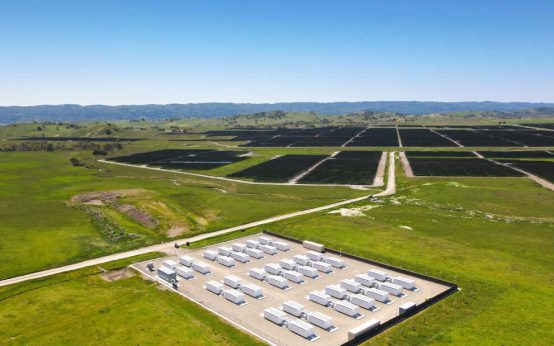 The Impact of Battery Innovations on Renewable Energy
  Challenges in California’s Home Insurance Market
 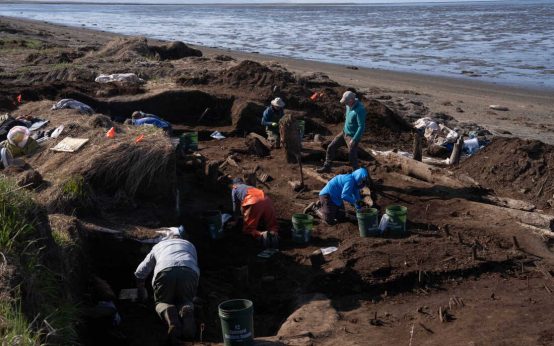 Race Against Time: Preserving Quinhagak’s Archaeological Heritage
  Managing Drying Rivers: The Need for New Approaches