
For many years, scientists knew little about the native bees of Alaska. Recently, this has begun to change. On a warm July afternoon near Fairbanks, a volunteer participates in the Alaska Bee Atlas project. Kneeling beside blooming fireweed, the volunteer uses a net to capture bees. This particular effort aimed to collect specimens of bumblebees and other native insects across the state.
The Alaska Bee Atlas is a collaboration involving citizens and experts to document bee populations. Each summer, volunteers like this one collect thousands of bee samples. The goal is to gather information about the biodiversity of bees that play an essential role in pollinating the northern regions. Understanding these pollinators is crucial for maintaining Alaska’s ecosystems.
In this joint effort, community members contribute to scientific research by collecting data. The initiative represents how Alaskans are coming together to further their knowledge of local wildlife. The collected data form a vital resource for studying Alaska’s unique environment.
Efforts like the Alaska Bee Atlas highlight the importance of conserving native species and providing a fact-based understanding of local ecology. Studies on native bees can lead to more informed decisions about conservation and environmental policies. By promoting awareness and engaging in hands-on research, projects like these ensure the sustainable future of Alaskan biodiversity.
 The Discovery of Incendiamoeba cascadensis: A Fire Amoeba
  Archaeological Discovery in Germany: Largest Hoard of Roman Coins Found
 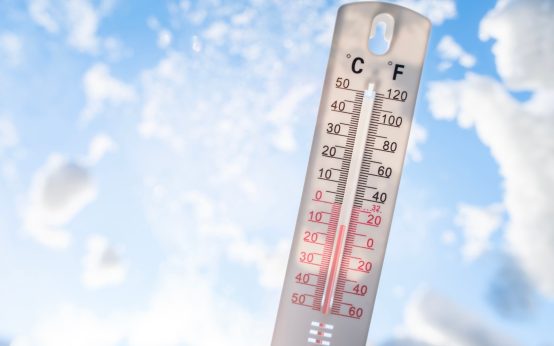 Cold Weather Alerts and El Niño Influence
  Turning Home Food Waste into Compost: A Guide
  Chicagohenge: When Sunlight Aligns with City Streets
 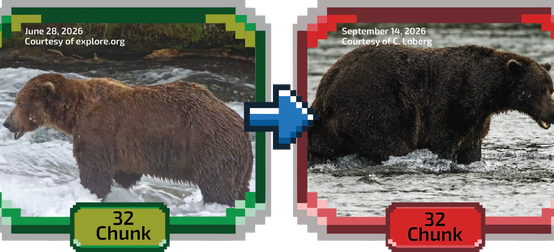 Fat Bear Week 2026: A Look at the Contest and Its Competitors