
The corona, the outermost layer of the sun’s atmosphere, continues to intrigue scientists despite numerous advancements in science. The upcoming total solar eclipse provides researchers with a valuable opportunity to delve deeper into studying this enigmatic region.
On Wednesday, regions including Greenland, Iceland, and parts of Spain will experience a total solar eclipse. As the moon passes between the Earth and the sun, it will obscure the sun completely, casting these areas into a surprising afternoon darkness. During this time, the sky will transform into a deep twilight blue, setting a unique scene for both observers and scientists.
As daylight fades, the planet Venus will become visible, adding to the celestial spectacle. The momentary darkness created by the eclipse is crucial for scientists because it allows the corona to be observed directly, free from the intense brightness of the sun’s surface. Such observations help in understanding the sun’s outer atmosphere.
Studying the corona is essential for comprehending solar winds and other solar phenomena that affect space weather. These can have significant impacts on satellite operations and communication systems on Earth. The data gathered during the eclipse will contribute to ongoing research and potentially enhance predictive models related to solar activities.
 Discovery of Tilcayo Tiger Cat, a New Wild Cat Species in Bolivia
  Ancient Egyptian Warhorse Burial Unearthed in Beheira
  Humpback Whale’s Grief Over Stillborn Calf Reveals Emotional Complexity
 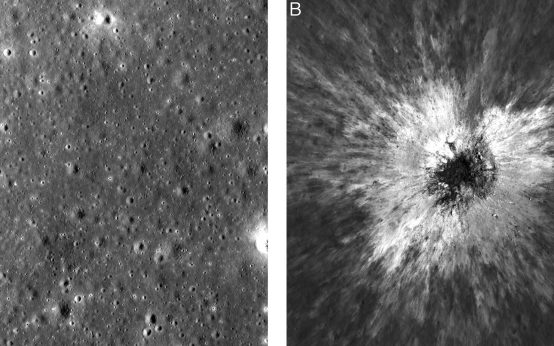 Discovery of Massive Lunar Crater Sheds New Light on Moon’s Surface
 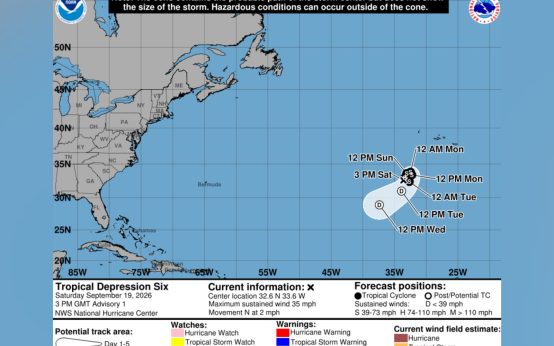 Tropical Depression Six Forms in the Atlantic Amid Quiet Hurricane Season
  Fat Bear Week: Celebrating Resilient Giants and Ecosystem Conservation