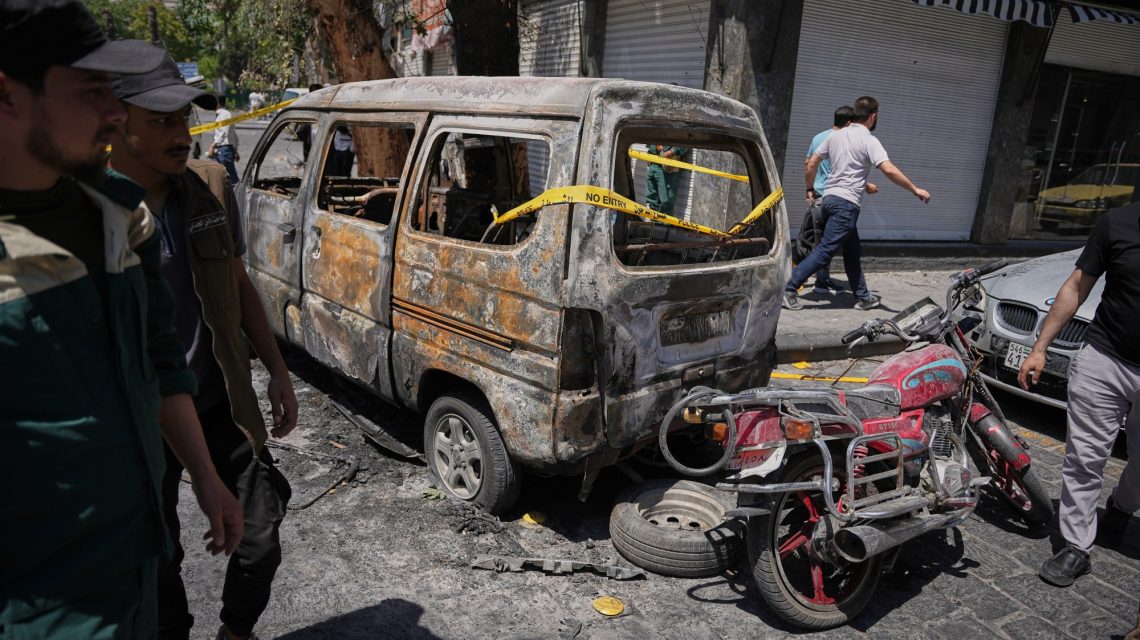
On Tuesday, two explosions shook Damascus while Syrian President Ahmad al-Sharaa was meeting French President Emmanuel Macron at the presidential palace. The blasts injured at least 18 people, according to Syria’s Interior Ministry. This incident marked the second attack in the city within a week, posing challenges for al-Sharaa as he hosted the first major Western leader since Bashar Assad’s ouster.
Despite the unrest, Macron remained safe inside the palace, and his meeting with al-Sharaa continued. The French leader later expressed support for the Syrian people, highlighting their resilience and desire for a united and safe nation. Macron’s visit is significant as he played a key role in easing sanctions previously placed on Syria during Assad’s regime.
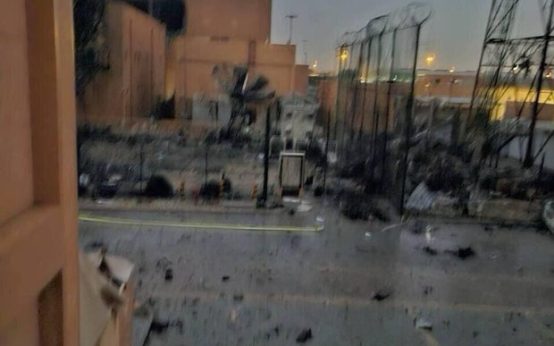
The explosions, which occurred near the Four Seasons Hotel where Macron was staying, resulted from bombs placed in a garbage bin and a parked car. The site was near the headquarters of the Tourism Ministry and the Damascus National Museum. Of the 18 injured, four were police officers, yet no fatalities were reported. Another bombing occurred days earlier at a cafe near the Justice Palace, resulting in 10 deaths and over 20 injuries.
Macron’s visit was seen as a boost for Syria’s authorities, with over a dozen agreements signed, including the return of 51 million euros in assets and plans to rebuild infrastructure in Homs. These agreements are part of efforts to refurbish the country, which suffered heavily during the civil war.
The explosions represent a challenge for President al-Sharaa. He aims to gain full control over Syria, reassure minorities, and garner Western support despite his past association with the Hayat Tahrir al-Sham group. Syria has promised political and economic reforms to recover from decades of autocratic rule. With nearly half a million deaths and widespread displacement due to conflict, Syria’s rebuilding requires substantial investment.
Reporting contributions from Beirut, Paris, and Brussels supported this article.
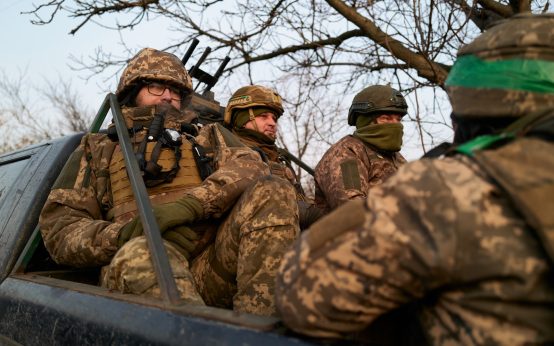 Ukraine Deploys Ground Robots in ‘Operation Vivaldi’
  Understanding AI’s Impact Compared to Historical Threats
  State Department Alerts on Middle East Travel Amid Rising Tensions
  Iran’s Attacks on Bahrain: The Impact on Military Families
  United Russia’s Dominant Election Result: Implications for Putin’s Ukraine Policy
  Canada’s Tariff Reduction on Chinese EVs Raises Security Concerns