Background: The Need for Modernization
On September 21, the Federal Aviation Administration (FAA) experienced a significant disruption. A crucial circuit in the Philadelphia TRACON system failed, leading to a series of ground stops at major Northeast airports such as Newark, Teterboro, Philadelphia, LaGuardia, and Kennedy. The failure was traced to a damaged fiber line, accidentally dug up by a construction crew in New Jersey.
Advocacy for Funding
In an editorial, Jackson Shedelbower emphasized the importance of allocating $30 billion as requested by Transportation Secretary Sean Duffy. This funding is meant to prevent incidents like the one in Philadelphia. There is a strong push for modernization from those within the FAA, advocating for better tools to manage air traffic efficiently.
Challenges in Current Systems
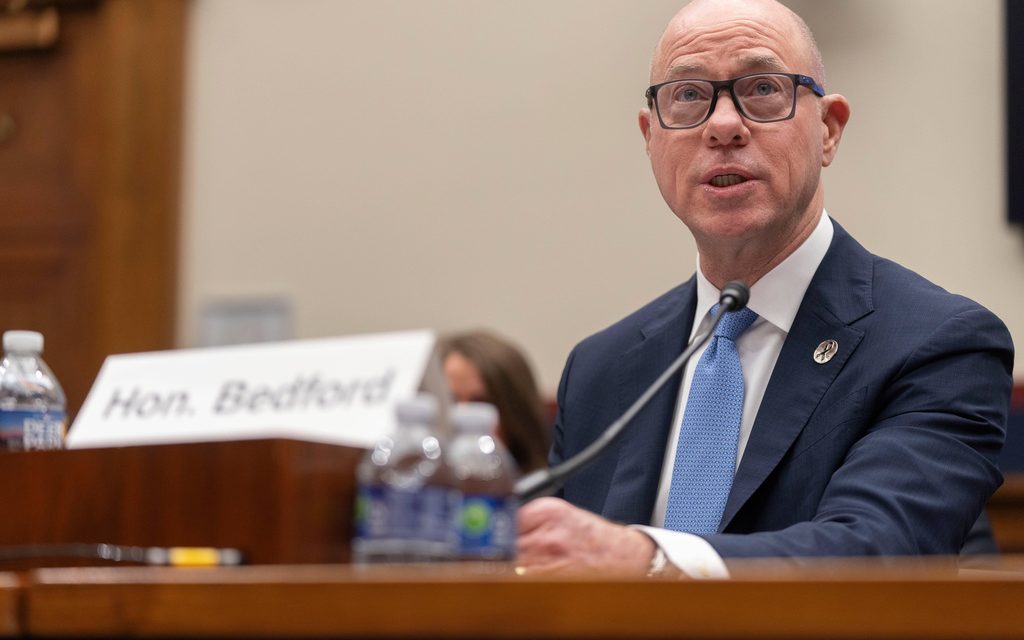
The current air traffic system relies heavily on outdated equipment. Although efforts have been made to replace copper lines with fiber or wireless links, vulnerabilities remain. Shedelbower highlights the need for a modern air traffic flow management system powered by artificial intelligence. Yet, the root problem lies in the infrastructure design and resilience of the system, as noted by FAA Administrator Bryan Bedford.
Past Attempts at Modernization
Previous initiatives, such as the 2003 NextGen program, illustrate the challenges in fulfilling modernization promises. Despite large investments, only a fraction of the anticipated benefits have materialized. Factors such as lack of clear requirements, overambitious planning, and dependencies on airline cooperation have limited success.
Financial and Operational Concerns
The financial demands for modernization continue to grow. An initial $12.5 billion allocated by Congress in July 2025 has already increased, with the current request totaling $42.5 billion. The Government Accountability Office (GAO) reports omissions in cost estimates, especially regarding government and operational expenses.
The Human Aspect
Beyond financial considerations, successful implementation necessitates attention to human resources. Training air traffic controllers and technicians is crucial during the transition to new systems. Historical experiences underscore the risks associated with such transitions, often adding workload before easing it.
Recommendations for Effective Modernization
To achieve genuine modernization, several steps are essential:
- Ensure no critical facilities rely solely on a single data route.
- Release funding based on achieving specific milestones, with oversight from the inspector general and GAO.
- Incorporate training costs and staffing resources into financial allocations.
- Demand comprehensive lifecycle cost estimates before funding approval.
Conclusion
While significant financial investment is necessary, a well-structured plan is vital for resilient air traffic management. Implementing these recommendations can help avoid disruptions and provide a robust foundation for future air travel management.
 Vance Echoes Sanders on Immigration and Worker Protection
  Impact of Expiring Temporary Protected Status on Haitian Workers in the U.S.
  Senate Candidate Responds to Presidential Attack with Ad on Transgender Issues
  NFL Pushes for Regulation of Prediction Markets
  Speculation Surrounds Nobel Peace Prize Award
  Trump Administration Suspends Green Card Applications for Major Tech Firms