
In Detroit, progressive religious leaders from various faiths gathered to discuss how their beliefs influence political positions. The meeting included pastors, imams, and a rabbi, with Abdul El-Sayed, a Democrat running for the U.S. Senate in Michigan, sharing insights on how his Muslim faith shapes his progressive views.
El-Sayed emphasized accountability to higher principles, urging leaders to act for the greater good. As he addressed the upcoming primary, he underscored the importance of tackling inequality, affordability, and potential job disruptions caused by artificial intelligence.
Recent electoral successes of progressive Democrats reflect frustrations with inequality and economic concerns. Many of these candidates link religious convictions to their political stances. El-Sayed noted the emphasis on wealth burdens in Abrahamic faith traditions, aligning with progressive economic policies.
The roundtable followed a rally featuring prominent progressives like Sen. Bernie Sanders and Rep. Alexandria Ocasio-Cortez. El-Sayed has drawn endorsements from liberal figures, though Republicans and moderates label him too extreme for a swing state. He aims to be the first Muslim senator if elected.
Religious backing for progressive movements has fluctuated historically, with influences like Pope Leo XIII’s teachings on labor rights. While socialism sparks debate within religious communities, ties between faith and politics persist.
Young Americans increasingly separate socialism from anti-religious Cold War memories. Many religious Democrats consider progressive ideologies compatible with their faith. Figures like Martin Luther King Jr. are cited as examples supporting this view.
Religious leaders highlight economic justice as a divine mandate, linking socialism to moral values. At the event, Rev. Andrew Wilkes noted faith’s potential to inspire optimism and creativity despite challenges.
Shifts in attitudes towards capitalism are noted, with faith communities advocating for workers’ rights. Organizations like Clergy and Laity United for Economic Justice collaborate to support local efforts.
Some Republicans criticize these movements as godless, contrasting their views on religion’s role in politics. El-Sayed maintains economic concerns as central to his campaign, addressing political monetary influence.
El-Sayed navigates perceptions about his Islamic faith, emphasizing steadfast morals and integrity. As the meeting concluded, faith leaders united in prayer, expressing hope for El-Sayed’s electoral victory.
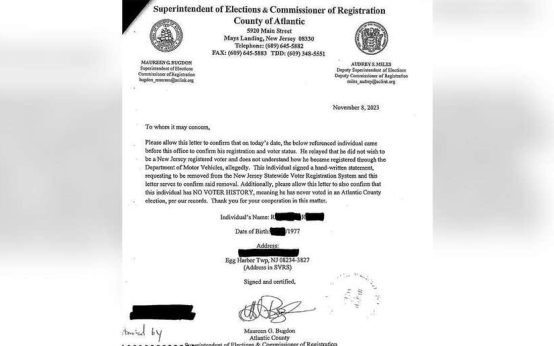 RNC Files Lawsuit for Transparency in New Jersey’s Voter Roll Maintenance
 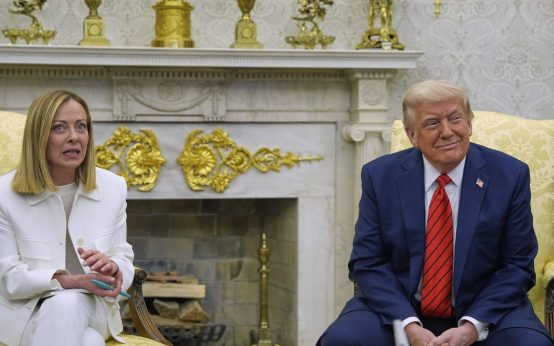 Italian PM Giorgia Meloni Skips UN General Assembly Amid Growing Tensions
 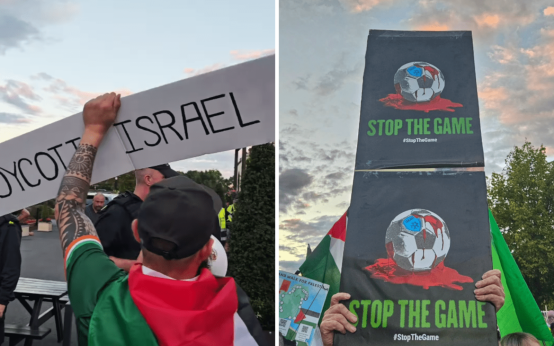 Calls Grow for Ireland’s Soccer Team to Boycott Matches Against Israel
 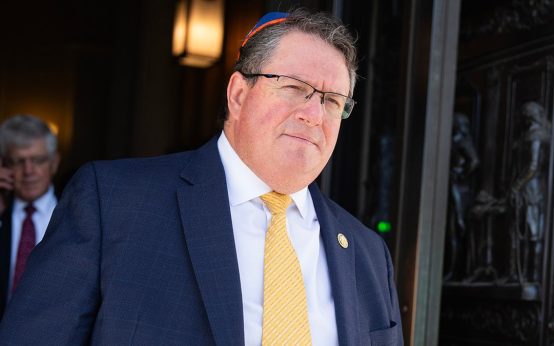 Congressman Randy Fine’s Bold Political Stance and Views on AI Regulation
  Political Messaging and Strategy Leading Up to Midterms
  President Trump Proposes ‘Super Intelligence’ as New AI Term