The U.S. Food and Drug Administration (FDA) has issued a critical warning for Graziers raw milk cheese products. The warning arises from a multi-state E. coli outbreak that has affected 13 individuals and led to eight hospitalizations. The recalled products include Monterey Jack, jalapeño jack, medium cheddar, and sharp cheddar cheeses, all manufactured by Sierra Nevada Cheese Company in California.
The FDA classified this recall as Class I, the most serious category. This indicates a reasonable probability that exposure to these products can result in severe health issues or even death. Both retail packages and larger formats supplied to food-service establishments and wholesalers are affected. Consumers are advised not to consume these cheeses, which were distributed across multiple states including Arizona, California, and Florida, among others. Sierra Nevada Cheese Company initiated a voluntary recall on September 28.
The strain involved in the outbreak is Escherichia coli O26, known for producing Shiga toxin, which leads to serious illness. According to the Centers for Disease Control and Prevention (CDC), as of September 25, 13 cases were reported across nine states. Out of these, eight patients were hospitalized, with three developing hemolytic uremic syndrome (HUS), a serious complication causing kidney failure. Children aged five or younger constituted more than half of the cases. The CDC’s investigation revealed that all affected individuals had consumed Graziers raw milk cheese, supported by genetic analysis linking the bacteria to a common source. Representatives from Sierra Nevada Cheese Company have not publicly commented on the issue.
This recall is part of a broader food safety concern involving various pathogens like Cyclospora, Salmonella, and Listeria in the current year.
Cyclospora Outbreak in the U.S.
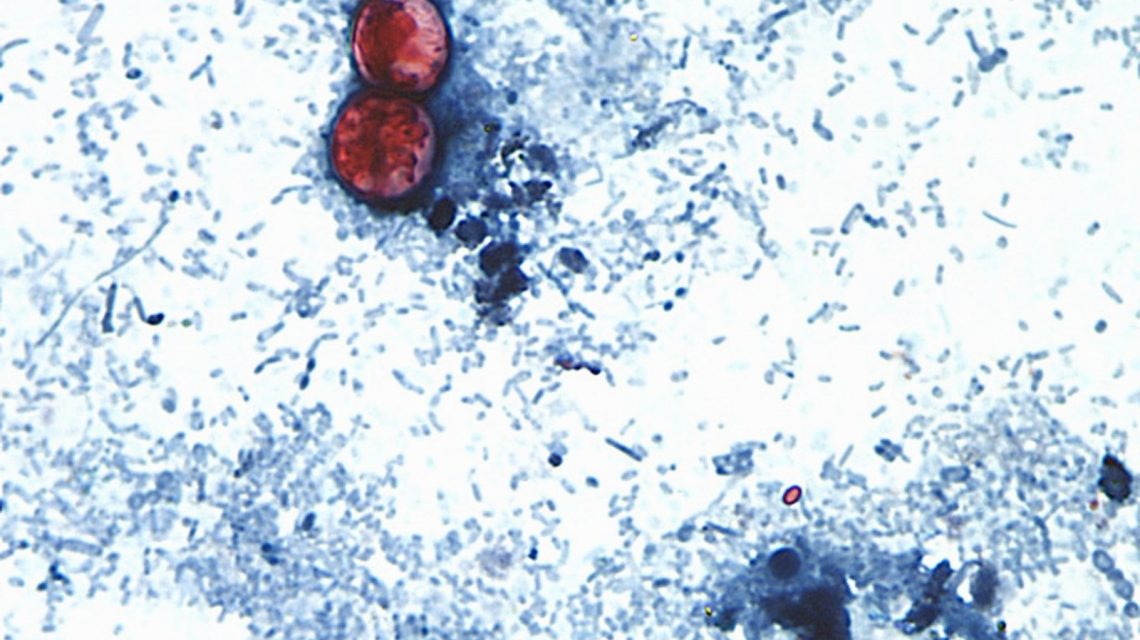
One significant foodborne outbreak this year involves Cyclospora, which causes cyclosporiasis, an intestinal infection. The CDC’s latest data, up to September 15, shows 19,883 laboratory-confirmed cases in the U.S. from May 1 to August 31, 2026. This is a stark increase from 1,180 cases in the same timeframe in 2025.
The 2026 outbreak led to 1,064 hospitalizations and two deaths, affecting nearly every U.S. state and the District of Columbia. Over 12,000 cases connected to iceberg lettuce from Mexico, supplied by Taylor Farms de Mexico, led to a recall, and the CDC declared the outbreak over on September 11. However, other unrelated cases have arisen, indicating a broader food safety challenge.
Cyclosporiasis symptoms include prolonged diarrhea, appetite loss, stomach cramps, nausea, and fatigue. The infection typically occurs through contaminated food or water.
Salmonella Sparks Recalls
Salmonella remains a concern in 2026, with outbreaks linked to foods like jalapeño peppers and raw oysters. An investigation ending October 2 found 488 illnesses in 34 states from Salmonella-contaminated jalapeño peppers imported from Mexico. No deaths occurred, but 65 required hospitalization.
Salmonella infections cause diarrhea, fever, and stomach cramps. Recovery often requires no treatment, but the elderly, young children, and immunocompromised individuals face higher risks.
Listeria Warnings in Cheese
Listeria concerns continue with outbreaks linked to soft cheeses, notably requesón from Clover Hill Dairy in Maryland. The CDC reported 15 Listeria cases from four states as of August 26. The outbreak, spanning from March 2023 to July 2026, resulted in 14 hospitalizations and one death.
Investigators found Listeria in both the cheese and an environmental sample, indicating contamination. Pregnant women and older adults face acute Listeria risks, which causes fever and muscle aches.
Declining Confidence in Food Safety
Americans’ confidence in grocery store food safety and government oversight has fallen, according to a Gallup survey released in October. About 65 percent expressed confidence in food safety at grocery stores, a decrease from previous years.
The public’s trust in the government’s ability to ensure food safety also reduced to 47 percent, a decline from 68 percent in 2019. Notably, 73 percent of respondents reported avoiding specific foods post-recall or advisory, up from 53 percent in 2024. The survey interviewed 1,000 adults between September 1 and 17, with a margin of error of 4 percentage points.
 Christina Applegate Discusses Misdiagnosis and Continuing Health Struggles
 Animal Cruelty Verdict for Canadian Tourist and Political Developments in International and U.S. Politics
 Christina Applegate Discusses MS Misdiagnosis and Ongoing Health Challenges
 Significant Changes Coming for Medicare Beneficiaries in 2027
 Green Spaces Linked to Lower Dementia Risk in Older Adults
 Dr. Mehmet Oz Leads Medicaid Fraud Crackdown in NYC